
 EN
EN
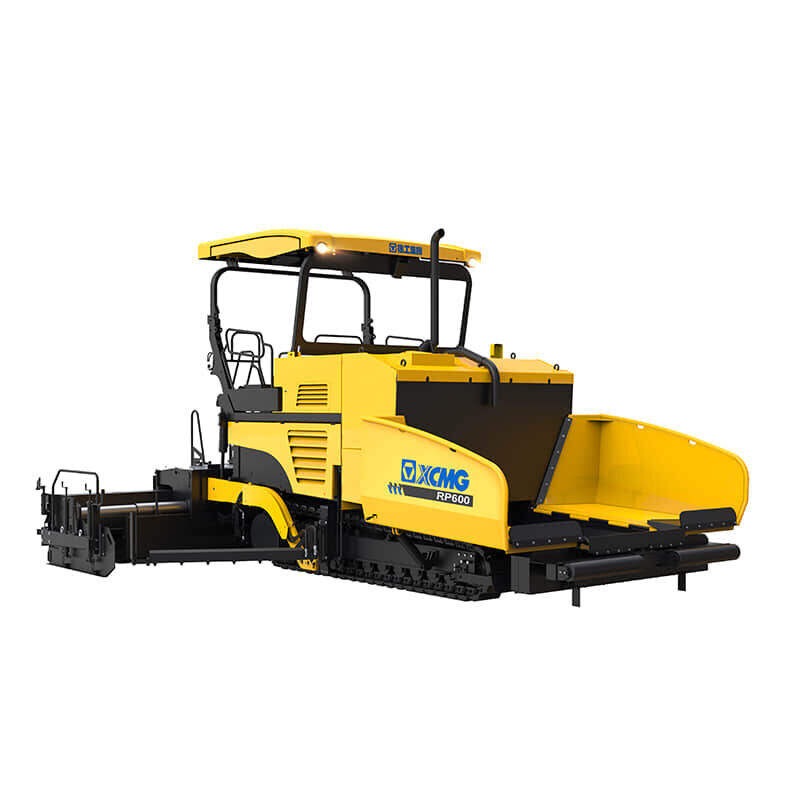
Construction projects involving road surfaces, parking lots, and other paved areas rely heavily on the performance and reliability of paving equipment. When a paving machine encounters operational issues, it can lead to project delays, increased costs, and compromised quality of the finished surface. Understanding the most common problems that affect paving machines and their practical solutions is essential for construction professionals, equipment operators, and project managers who want to maintain productivity and deliver superior results.
Modern paving machine technology has advanced significantly over the past decades, incorporating sophisticated hydraulic systems, computerized controls, and precision engineering components. Despite these technological improvements, certain operational challenges continue to affect equipment performance across different brands and models. These issues can stem from various factors including improper maintenance, operator error, environmental conditions, or normal wear and tear from heavy-duty operations.
Recognizing early warning signs of potential problems and implementing preventive measures can save thousands of dollars in repair costs and minimize downtime. Professional operators who understand their paving machine systems thoroughly are better equipped to diagnose issues quickly and apply appropriate corrective actions before minor problems escalate into major failures.
Engine and Power System Malfunctions
Overheating Issues in Paving Machine Operations
Engine overheating represents one of the most critical problems that can affect paving machine performance during operation. This issue typically manifests when the cooling system fails to maintain optimal operating temperatures under heavy load conditions. Common causes include clogged radiator fins, insufficient coolant levels, malfunctioning thermostats, or damaged water pumps that cannot circulate coolant effectively throughout the engine block.
The primary solution for preventing overheating involves implementing a comprehensive cooling system maintenance schedule. Operators should inspect radiator fins daily, removing debris, dust, and asphalt residue that can block airflow. Regular coolant level checks and quality assessments ensure the system maintains proper heat transfer capabilities. Additionally, replacing worn thermostats and water pumps according to manufacturer specifications prevents catastrophic engine damage that could sideline equipment for extended periods.
Environmental factors also contribute to overheating problems, particularly during hot weather operations or when working in confined spaces with limited airflow. Professional operators should monitor engine temperature gauges continuously and adjust working schedules during peak heat periods. Installing additional cooling fans or upgrading radiator capacity may be necessary for paving machines operating in consistently challenging thermal environments.
Power Loss and Performance Degradation
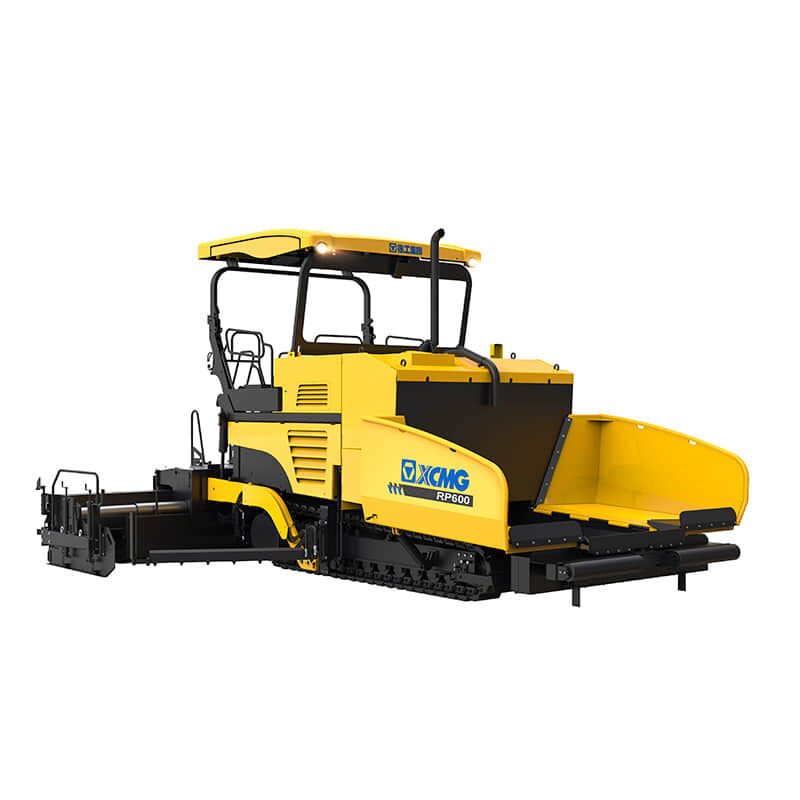
Gradual power loss in a paving machine can significantly impact productivity and surface quality, often resulting from fuel system contamination, air filter restrictions, or engine component wear. Contaminated fuel containing water or particulates can cause injection system problems, leading to incomplete combustion and reduced power output. Similarly, clogged air filters restrict airflow to the engine, creating suboptimal fuel-to-air ratios that diminish performance.
Addressing power loss issues requires systematic diagnosis starting with fuel quality assessment and filter inspection. Replacing contaminated fuel, cleaning fuel tanks, and installing high-quality filtration systems prevents future contamination problems. Air filter replacement should follow manufacturer guidelines, with more frequent changes recommended in dusty construction environments where paving machines operate regularly.
Advanced diagnostic tools can help identify internal engine wear patterns that contribute to power degradation over time. Compression testing, oil analysis, and electronic engine monitoring systems provide valuable data for predicting maintenance needs before critical failures occur. Implementing predictive maintenance strategies based on actual engine condition rather than arbitrary time intervals maximizes equipment availability while minimizing unexpected breakdowns.
Hydraulic System Complications
Hydraulic Fluid Contamination and System Failures
Hydraulic systems in paving machines control critical functions including screed height adjustment, tamper bar operation, and conveyor movement. Contaminated hydraulic fluid represents a major threat to system reliability, potentially causing valve malfunctions, cylinder damage, and pump failures. Water contamination, particulate matter, and chemical degradation of hydraulic fluid can compromise system performance and lead to expensive component replacements.
Preventing hydraulic contamination requires strict adherence to fluid handling procedures and regular system monitoring. Using clean containers for fluid transfers, implementing proper filtration during maintenance procedures, and sealing system openings during storage helps maintain fluid purity. Regular fluid sampling and laboratory analysis can detect contamination levels before they cause irreversible damage to sensitive hydraulic components.
When contamination occurs, complete system flushing may be necessary to restore proper operation. This process involves draining contaminated fluid, cleaning system components, replacing filters, and refilling with fresh hydraulic fluid meeting manufacturer specifications. Professional technicians should perform this procedure to ensure thorough cleaning and proper system reassembly.
Pressure Loss and Sluggish Response
Hydraulic pressure loss in a paving machine manifests as slow or incomplete movement of system components, affecting operational precision and productivity. Common causes include worn seals, damaged hoses, loose connections, or pump wear that reduces system pressure capability. These issues can develop gradually, making early detection challenging without regular system pressure monitoring.
Systematic pressure testing helps identify the source of hydraulic problems before they cause complete system failure. Professional technicians use calibrated pressure gauges to measure system performance at various operating points, comparing results with manufacturer specifications. This diagnostic approach pinpoints problematic components while avoiding unnecessary replacement of functioning parts.
Preventive maintenance programs should include regular inspection of hydraulic hoses, fittings, and seals for signs of wear or damage. Replacing components showing early wear symptoms prevents sudden failures during critical paving operations. Additionally, maintaining proper hydraulic fluid temperatures through adequate cooling systems extends component life and maintains system efficiency throughout demanding work cycles.
Screed and Mat Quality Problems
Uneven Surface Texture and Thickness Variations
Surface irregularities in paved materials often trace back to screed system problems within the paving machine operation. Uneven heating elements, worn screed plates, or improper adjustment procedures can create thickness variations and texture inconsistencies across the paved surface. These quality issues may not become apparent until after material cooling, making prevention through proper equipment setup essential for project success.
Screed heating system maintenance requires careful attention to electrical connections, heating element integrity, and temperature control calibration. Regular inspection of heating elements helps identify damaged or failing components before they affect surface quality. Professional operators should verify temperature uniformity across the screed width using calibrated thermometers, ensuring consistent material workability during the paving process.
Proper screed adjustment procedures involve multiple parameters including attack angle, crown settings, and extension alignment. Training operators in correct adjustment techniques prevents many common surface quality problems. Documentation of optimal settings for different material types and project conditions helps maintain consistency across crew changes and equipment transfers between job sites.
Segregation and Material Handling Issues
Material segregation during paving machine operation creates weak spots in the finished surface and compromises long-term pavement performance. This problem typically occurs when larger aggregate particles separate from the asphalt matrix during handling or placement processes. Factors contributing to segregation include improper material temperature, excessive handling time, or mechanical issues within the paving machine conveyor and auger systems.
Preventing material segregation requires coordinated attention to material delivery timing, temperature management, and paving machine operational parameters. Maintaining optimal material temperature throughout the placement process ensures proper workability and prevents premature cooling that contributes to segregation. Additionally, minimizing material handling time between delivery and placement reduces opportunities for separation to occur.
Conveyor and auger system maintenance plays a crucial role in preventing segregation problems. Worn conveyor belts, damaged auger flights, or improperly adjusted gate openings can create material flow disruptions that promote segregation. Regular inspection and timely replacement of these components maintains smooth material flow and uniform distribution across the screed width.
Electrical and Control System Failures
Sensor Malfunctions and Calibration Problems
Modern paving machines rely extensively on electronic sensors and control systems to maintain operational precision and surface quality standards. Sensor failures can affect grade control accuracy, material flow regulation, and automated steering systems that ensure straight, uniform paving operations. Environmental factors including dust, moisture, and vibration can damage sensitive electronic components or cause calibration drift over time.
Protecting electronic systems requires regular cleaning procedures and environmental shielding appropriate for construction site conditions. Compressed air cleaning removes dust and debris from sensor housings without damaging delicate components. Moisture protection through proper sealing and drainage prevents corrosion and electrical shorts that can disable critical control functions during operations.
Calibration procedures should follow manufacturer specifications exactly, using certified test equipment to ensure accuracy. Professional technicians trained in paving machine electronics can perform complex calibration tasks that require specialized knowledge and equipment. Regular calibration verification helps maintain system accuracy and prevents gradual drift that could compromise paving quality over extended periods.
Display and Communication System Issues
Control panel displays and communication systems provide essential information for paving machine operators, including engine parameters, hydraulic pressures, and material flow rates. Display failures or communication errors can leave operators without critical operational data, potentially leading to equipment damage or poor surface quality. These problems often stem from loose connections, software corruption, or component aging in harsh construction environments.
Troubleshooting display and communication problems requires systematic checking of electrical connections, power supplies, and software integrity. Professional technicians use specialized diagnostic equipment to identify communication protocol errors and software conflicts that may not be apparent through visual inspection alone. Regular software updates and system backups help prevent data corruption and ensure continued system reliability.
Environmental protection measures for electronic displays include proper mounting, vibration isolation, and climate control when possible. Excessive vibration can damage display components or create intermittent connection problems that are difficult to diagnose. Additionally, protecting displays from direct sunlight and extreme temperatures extends component life and maintains readability under all operating conditions.
Maintenance and Operational Best Practices
Preventive Maintenance Scheduling
Effective preventive maintenance programs form the foundation of reliable paving machine operation and help avoid most common operational problems before they occur. Comprehensive maintenance schedules should address all major system components including engines, hydraulics, electrical systems, and wear items that require regular replacement. Professional maintenance tracking systems help ensure consistent adherence to manufacturer recommendations while accommodating varying operational intensities across different projects.
Daily maintenance procedures should include fluid level checks, visual inspections for leaks or damage, and operational tests of critical systems before beginning work. Weekly maintenance tasks typically involve more detailed inspections, filter replacements, and lubrication procedures that require additional time and technical knowledge. Monthly maintenance activities may include comprehensive system tests, calibration verification, and detailed component inspections that help predict future maintenance needs.
Documentation of maintenance activities provides valuable historical data for identifying recurring problems and optimizing maintenance intervals based on actual equipment performance rather than generic recommendations. This data-driven approach helps maximize equipment availability while minimizing maintenance costs through more precise scheduling of service activities and parts replacement.
Operator Training and Skill Development
Skilled operators represent the first line of defense against paving machine problems, as their knowledge and attention to detail directly impact equipment performance and longevity. Comprehensive operator training programs should cover system operation principles, troubleshooting procedures, and recognition of early warning signs that indicate developing problems. Regular training updates help operators stay current with technological advances and evolving best practices in paving machine operation.
Practical training exercises using actual equipment provide hands-on experience with diagnostic procedures and emergency response protocols. Operators who understand their paving machine systems thoroughly can often identify and resolve minor problems before they escalate into major failures requiring extensive repair time and costs. Additionally, proper operating techniques learned through professional training help prevent operator-induced problems that could damage equipment or compromise surface quality.
Ongoing skill assessment and refresher training ensure operators maintain proficiency levels appropriate for modern paving machine technology. Regular evaluation of operator performance helps identify areas where additional training could improve efficiency or prevent recurring problems. Investing in operator education typically generates substantial returns through reduced maintenance costs, improved productivity, and enhanced surface quality outcomes.
FAQ
What causes a paving machine to produce uneven surface thickness
Uneven surface thickness typically results from screed system problems including worn screed plates, improper heating element function, or incorrect screed adjustment settings. Material flow irregularities caused by conveyor or auger wear can also contribute to thickness variations. Regular screed maintenance, proper heating system calibration, and correct operational adjustments help maintain consistent thickness control during paving operations.
How often should hydraulic fluid be changed in a paving machine
Hydraulic fluid replacement intervals depend on operating conditions and manufacturer recommendations, typically ranging from 1000 to 2000 operating hours under normal conditions. Harsh environments with high dust levels or extreme temperatures may require more frequent changes. Regular fluid analysis helps determine optimal replacement timing based on actual fluid condition rather than arbitrary time intervals, maximizing system protection while minimizing unnecessary maintenance costs.
Why does a paving machine lose power during operation
Power loss during paving machine operation commonly stems from fuel system problems including contaminated fuel, clogged filters, or injection system malfunctions. Air intake restrictions caused by dirty air filters can also reduce engine power output significantly. Environmental factors such as high altitude or extreme temperatures may affect engine performance, requiring operational adjustments to maintain adequate power levels for effective paving operations.
What maintenance prevents most common paving machine electrical problems
Regular cleaning of electrical connections, proper environmental protection for sensitive components, and systematic inspection of wiring harnesses prevent most electrical problems in paving machines. Moisture protection through proper sealing and adequate drainage helps prevent corrosion and shorts that can disable critical systems. Additionally, following manufacturer calibration procedures and keeping software systems updated ensures reliable operation of electronic control systems throughout demanding construction applications.