
 EN
EN
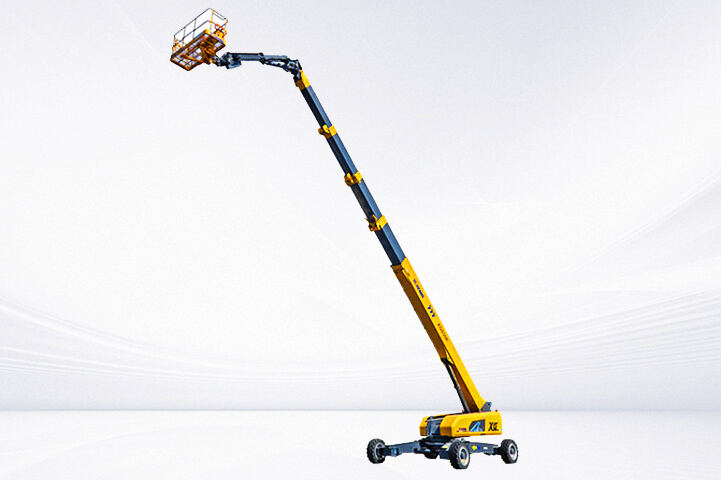
When procurement managers and OEM buyers evaluate aerial work platform solutions for large-scale orders, the decision-making process involves comprehensive technical assessments, financial analysis, and strategic partnerships. The selection of an aerial work platform supplier for bulk purchases requires careful consideration of multiple factors that directly impact operational efficiency, safety standards, and long-term return on investment. Understanding these evaluation criteria helps manufacturers position their equipment effectively in competitive bidding processes while ensuring buyers receive optimal value for their procurement investments.
Technical Specifications and Performance Standards
Load Capacity and Platform Dimensions
OEM buyers prioritize aerial work platform specifications that align with their operational requirements and safety regulations. Load capacity represents a fundamental assessment criterion, as buyers must ensure the platform can safely accommodate personnel, tools, and materials within designated weight limits. Platform dimensions including working height, platform size, and outreach capabilities determine the versatility and application range of the aerial work platform in various job site conditions.
Buyers evaluate whether the aerial work platform meets industry-specific requirements such as construction site accessibility, maintenance operations, or installation projects. The relationship between maximum working height and horizontal reach influences productivity metrics, as operators can access more work areas without repositioning the equipment. Platform size considerations include space for multiple workers and tool storage, which directly impacts crew efficiency and project completion timelines.
Power Systems and Environmental Compliance
Power system evaluation encompasses engine performance, fuel efficiency, and emissions compliance for diesel-powered units, while electric models require assessment of battery life, charging infrastructure, and operational range. Environmental regulations increasingly influence purchasing decisions, as buyers seek aerial work platform solutions that meet emission standards and sustainability requirements. Hybrid power systems offer flexibility for indoor and outdoor applications, providing buyers with versatile equipment options.
Noise levels become critical factors for urban construction projects and indoor maintenance operations, where noise restrictions may limit equipment usage during specific hours. Buyers assess power-to-weight ratios to ensure optimal performance without compromising mobility or transport requirements. Energy efficiency metrics help buyers calculate operational costs and environmental impact over the equipment lifecycle.
Safety Features and Regulatory Compliance
Advanced Safety Systems
Safety system evaluation represents a non-negotiable aspect of aerial work platform procurement, as buyers must ensure compliance with occupational safety regulations and minimize liability exposure. Modern safety features include fall protection systems, emergency lowering mechanisms, and stability monitoring technology that prevents tip-over incidents. Buyers assess the comprehensiveness of safety documentation, training materials, and certification requirements associated with each aerial work platform model.
Emergency controls and fail-safe mechanisms receive thorough evaluation, including ground-level override systems that allow rescue operations in case of platform malfunction. Load sensing technology prevents overloading conditions, while tilt sensors provide real-time stability monitoring. Buyers examine maintenance requirements for safety systems to ensure ongoing compliance and operational reliability throughout the equipment lifecycle.
Certification Standards and Documentation
Regulatory compliance verification involves reviewing manufacturer certifications, testing documentation, and adherence to international standards such as ANSI, CE marking, or other regional safety requirements. Buyers evaluate the manufacturer's quality management systems, including ISO certifications and third-party testing validation. Documentation packages must include operator manuals, maintenance schedules, and safety training materials in appropriate languages for the buyer's operational regions.
Traceability documentation becomes essential for fleet management and regulatory audits, requiring detailed records of manufacturing dates, component specifications, and maintenance histories. Buyers assess the manufacturer's ability to provide ongoing compliance support, including updates to safety standards and regulatory changes that may affect equipment operation or certification requirements.
Manufacturing Quality and Reliability Assessment
Build Quality and Component Selection
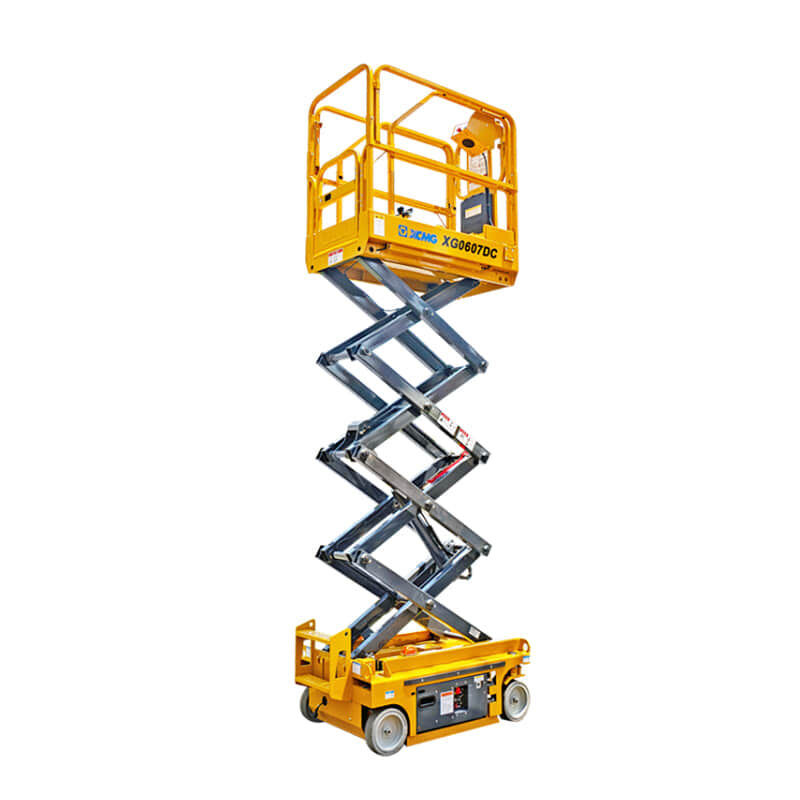
Manufacturing quality assessment involves evaluating materials, construction methods, and component sourcing strategies that affect aerial work platform durability and performance consistency. Buyers examine steel grades, welding techniques, and surface treatments that influence corrosion resistance and structural integrity. Component selection evaluation includes hydraulic systems, electrical components, and mechanical assemblies from reputable suppliers with established reliability records.
Quality control processes receive scrutiny through facility audits, testing procedures, and statistical quality metrics that demonstrate manufacturing consistency. Buyers assess the manufacturer's approach to continuous improvement, including design updates, component upgrades, and process refinements that enhance product reliability. Supply chain stability evaluation ensures component availability and manufacturing continuity for ongoing production and service support.
Testing and Validation Procedures
Comprehensive testing protocols demonstrate manufacturer commitment to quality and performance validation, including structural testing, operational cycles, and environmental exposure assessments. Buyers review testing documentation that verifies load capacity, stability margins, and component durability under specified operating conditions. Field testing results provide real-world performance data that supplements laboratory testing and manufacturing specifications.
Reliability testing includes accelerated lifecycle assessments, component failure analysis, and predictive maintenance data that help buyers understand long-term performance expectations. Buyers evaluate the manufacturer's testing capabilities, equipment calibration procedures, and quality assurance protocols that ensure consistent product performance across production batches.
Service Support and Maintenance Considerations
Service Network and Technical Support
Service network evaluation encompasses geographic coverage, response times, and technical expertise available for aerial work platform maintenance and repairs. Buyers assess the availability of authorized service centers, mobile service capabilities, and emergency support services that minimize equipment downtime. Technical support includes remote diagnostics, troubleshooting assistance, and access to engineering expertise for complex operational issues.
Training programs for maintenance personnel and operators ensure proper equipment care and safe operation practices. Buyers evaluate the comprehensiveness of training materials, certification programs, and ongoing education opportunities that support fleet management objectives. Service documentation systems provide maintenance tracking, warranty management, and performance monitoring capabilities that optimize equipment utilization.
Parts Availability and Inventory Management
Parts availability assessment includes inventory levels, delivery timeframes, and pricing structures for consumable items, wear components, and major assemblies. Buyers evaluate the manufacturer's parts distribution network, inventory management systems, and commitment to long-term parts support throughout the equipment lifecycle. Predictive maintenance capabilities help optimize parts inventory and reduce unexpected downtime through proactive component replacement.
Alternative parts sourcing options provide flexibility and cost optimization opportunities, while maintaining quality standards and warranty compliance. Buyers assess the availability of retrofit kits, upgrade components, and modernization packages that extend equipment lifecycle and improve performance characteristics over time.
Financial Analysis and Total Cost of Ownership
Initial Investment and Financing Options
Initial investment analysis includes equipment pricing, delivery costs, and any additional expenses for accessories, training, or setup requirements. Buyers evaluate financing options, leasing arrangements, and payment terms that align with cash flow requirements and capital allocation strategies. Volume pricing structures for bulk orders provide cost advantages that improve project economics and competitive positioning.
Currency considerations and price stability commitments help buyers manage financial risk in multi-year procurement agreements. Buyers assess the total landed cost including transportation, customs duties, and installation expenses that affect the overall investment required for aerial work platform deployment.
Operational Costs and ROI Calculations
Operational cost analysis encompasses fuel consumption, maintenance expenses, operator training costs, and insurance premiums that affect ongoing profitability. Buyers calculate productivity improvements, reduced labor costs, and enhanced project capabilities that justify aerial work platform investments through improved operational efficiency. Resale value projections help buyers understand depreciation patterns and end-of-life asset recovery potential.
Performance metrics include utilization rates, availability percentages, and maintenance cost ratios that demonstrate equipment value throughout the ownership period. Buyers evaluate the impact of aerial work platform capabilities on project timelines, safety performance, and customer satisfaction metrics that contribute to business growth and competitive advantage.
Supplier Evaluation and Partnership Assessment
Company Stability and Market Position
Supplier evaluation includes financial stability assessment, market reputation, and long-term viability considerations that affect ongoing support and warranty obligations. Buyers research the manufacturer's market position, customer base, and growth trajectory to ensure sustainable partnership opportunities. Corporate governance, ethical business practices, and regulatory compliance history provide insight into supplier reliability and risk management.
Innovation capabilities and research and development investments demonstrate the manufacturer's commitment to product advancement and market leadership. Buyers evaluate the supplier's ability to adapt to changing market requirements, environmental regulations, and technological developments that influence future equipment specifications and performance standards.
Customer References and Case Studies
Customer reference verification provides real-world performance data and user satisfaction metrics that validate manufacturer claims and product capabilities. Buyers contact existing customers to discuss equipment performance, service quality, and overall satisfaction with the aerial work platform solution and supplier relationship. Case studies demonstrate successful implementations, problem-solving capabilities, and value realization in similar applications.
Performance benchmarking against competitor products helps buyers understand relative advantages and potential limitations of different aerial work platform options. Customer feedback regarding service responsiveness, technical support quality, and parts availability provides practical insights for supplier selection decisions.
FAQ
What are the most important technical specifications OEM buyers evaluate when selecting aerial work platforms for bulk orders
OEM buyers prioritize load capacity, maximum working height, platform dimensions, and power system specifications when evaluating aerial work platform options for bulk purchases. Safety features including fall protection systems, stability controls, and emergency lowering mechanisms receive equal attention due to regulatory compliance requirements and liability considerations. Environmental factors such as emissions compliance, noise levels, and energy efficiency also influence selection criteria, particularly for operations in urban areas or environmentally sensitive locations.
How do buyers assess the total cost of ownership for aerial work platform fleet purchases
Total cost of ownership analysis includes initial purchase price, financing costs, operational expenses including fuel and maintenance, operator training investments, and insurance premiums over the equipment lifecycle. Buyers calculate productivity improvements, reduced project timelines, and enhanced safety performance that offset initial investments through improved operational efficiency. Resale value projections and depreciation patterns help buyers understand long-term asset value and replacement planning requirements for fleet management optimization.
What role does service support play in aerial work platform procurement decisions
Service support capabilities significantly influence procurement decisions as buyers require reliable maintenance networks, parts availability, and technical expertise to minimize equipment downtime and operational disruptions. Geographic coverage of authorized service centers, response time commitments, and emergency support services directly impact equipment utilization rates and project scheduling reliability. Training programs for operators and maintenance personnel ensure proper equipment care and compliance with safety regulations throughout the equipment lifecycle.
How do OEM buyers verify manufacturer quality and reliability before placing bulk orders
Buyers conduct comprehensive supplier audits including manufacturing facility inspections, quality management system reviews, and testing procedure validation to verify production capabilities and consistency. Customer reference checks, case study analysis, and performance benchmarking provide real-world validation of manufacturer claims and product reliability. Financial stability assessment, market reputation evaluation, and regulatory compliance verification ensure supplier viability for long-term partnership and ongoing support obligations.
Table of Contents
- Technical Specifications and Performance Standards
- Safety Features and Regulatory Compliance
- Manufacturing Quality and Reliability Assessment
- Service Support and Maintenance Considerations
- Financial Analysis and Total Cost of Ownership
- Supplier Evaluation and Partnership Assessment
-
FAQ
- What are the most important technical specifications OEM buyers evaluate when selecting aerial work platforms for bulk orders
- How do buyers assess the total cost of ownership for aerial work platform fleet purchases
- What role does service support play in aerial work platform procurement decisions
- How do OEM buyers verify manufacturer quality and reliability before placing bulk orders