
 EN
EN
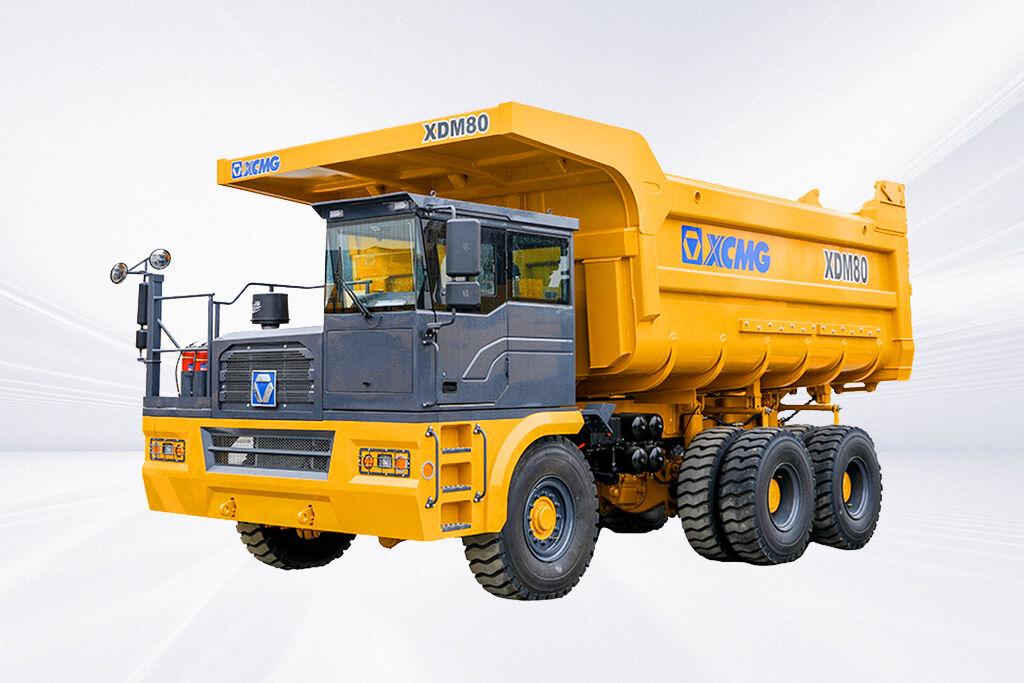
Essential Guidelines for Pre-Owned Commercial Vehicle Assessment
Investing in a used dump truck represents a significant business decision that requires careful consideration and thorough evaluation. Whether you're expanding your fleet or purchasing your first commercial vehicle, understanding how to properly inspect a pre-owned dump truck can save you thousands of dollars in future repairs and maintenance costs. This comprehensive guide will walk you through the critical aspects of assessment, helping you make an informed decision in your next purchase.
Core Inspection Areas for Used Commercial Vehicles
Structural Frame and Body Assessment
The foundation of any dump truck lies in its structural integrity. Begin your inspection by examining the frame rails for signs of damage, cracks, or repairs. Pay special attention to areas where the dump body mounts to the frame, as these points endure significant stress during loading and unloading operations. Check for any signs of welding repairs, which could indicate previous structural issues.
Thoroughly inspect the dump body itself for rust, dents, and wear patterns. The floor of the dump body should be free from significant corrosion or holes that could compromise its functionality. Examine the tailgate mechanism, ensuring it operates smoothly and seals properly when closed. The hydraulic system mounting points should show no signs of excessive wear or movement.
Hydraulic System Evaluation
The hydraulic system is crucial to a dump truck's operation. Start by checking all hydraulic cylinders for leaks, particularly around seals and connection points. Watch the lifting operation through its full range of motion, listening for unusual noises and observing the smoothness of operation. The hydraulic fluid should be clean and at the proper level, with no visible contamination or metallic particles.
Test the system's pressure retention by raising the bed and leaving it elevated for several minutes. Any significant drift or lowering could indicate internal bypass issues within the cylinders or control valves. Inspect all hydraulic lines for signs of wear, kinking, or previous repairs that might suggest ongoing maintenance issues.
Mechanical Components and Powertrain Analysis
Engine Performance Assessment
The heart of any dump truck is its engine, and thorough evaluation is essential. Start the engine cold to check for excessive smoke, unusual noises, or difficult starting. Monitor all gauge readings, ensuring oil pressure builds properly and operating temperatures remain within normal ranges. Look for evidence of regular maintenance through service records and physical inspection of components.
Examine the engine bay for oil leaks, coolant seepage, or fuel system issues. Check the condition of belts, hoses, and electrical connections. The engine should maintain steady idle and respond smoothly to throttle input. Consider performing an oil analysis to gain deeper insight into internal engine condition and wear patterns.
Transmission and Drivetrain Inspection
The transmission system in a dump truck undergoes significant stress during normal operations. Test all forward and reverse gears, noting any hesitation, grinding, or slipping during shifts. Listen for unusual noises during operation and check for transmission fluid leaks or contamination. The clutch, if manual, should engage smoothly with proper free play.
Inspect the driveshaft, U-joints, and carrier bearings for wear or looseness. These components should show no excessive movement or vibration during operation. Check differential oil condition and look for signs of leakage around axle seals and housing gaskets.
Safety Systems and Compliance Verification
Brake System Evaluation
A comprehensive brake system inspection is crucial for any dump truck purchase. Test the service brakes for proper operation, ensuring even braking and no pulling to either side. Check air system pressure build-up time and listen for any leaks in the system. Inspect brake chambers, slack adjusters, and brake linings for wear and proper adjustment.
The parking brake system should hold the vehicle securely on an incline. Verify the function of all brake warning systems and indicators. Examine air lines for proper routing, support, and freedom from damage or deterioration.
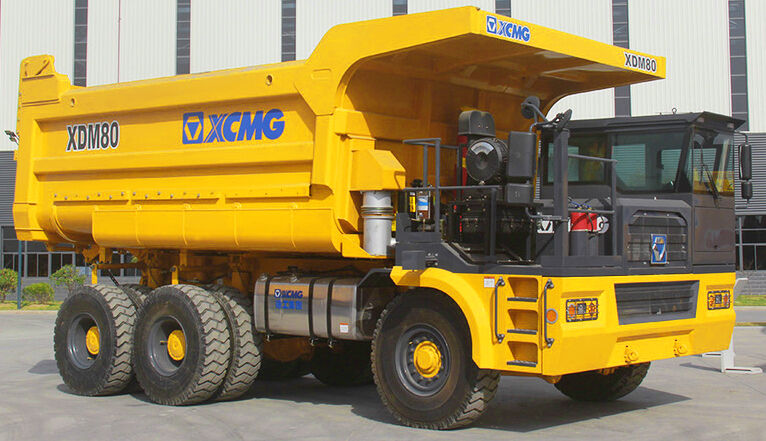
Lighting and Electrical Systems
All lighting systems must function correctly for legal operation. Verify operation of headlights, turn signals, brake lights, and warning lights. Check the charging system output and battery condition. Inspect all wiring harnesses for proper routing, support, and protection from heat or mechanical damage.
Test all gauges and warning systems for proper operation. The electrical system should show no signs of amateur repairs or modifications that could compromise reliability or safety.
Documentation and Historical Review
Maintenance Records Analysis
A complete service history provides valuable insight into a dump truck's past care and potential future needs. Review all available maintenance records, paying particular attention to major repairs or component replacements. Look for consistent service intervals and compliance with manufacturer recommendations.
Verify that all required inspections and certifications are current and properly documented. Check for any history of accidents or insurance claims that might affect the vehicle's reliability or value.
Registration and Compliance Documentation
Ensure all registration, insurance, and regulatory documentation is current and transferable. Verify the vehicle's compliance with local and federal emissions requirements. Check for any outstanding liens or financial obligations that could affect the purchase.
Review the vehicle's weight ratings and ensure they meet your operational requirements. Confirm that all modifications or additions to the truck have been properly documented and approved.
Frequently Asked Questions
What is the optimal service life expectancy of a used dump truck?
The service life of a dump truck typically ranges from 7-10 years when properly maintained, though many units remain serviceable well beyond this period. Key factors affecting longevity include maintenance history, operating conditions, and initial build quality. Regular preventive maintenance can significantly extend useful service life.
How can I verify the actual operating hours of a used dump truck?
Cross-reference the hour meter reading with maintenance records and physical wear indicators. Check electronic engine control modules for stored data, and compare component wear patterns with claimed usage. Service records should show consistent progression of hours between services.
What are the most critical fluid analysis tests for a used dump truck?
Essential fluid analysis should include engine oil, transmission fluid, differential oil, and hydraulic fluid. These tests can reveal internal wear patterns, contamination levels, and potential mechanical issues. Regular fluid analysis history is particularly valuable in assessing overall vehicle condition.
Should I consider third-party inspection services before purchase?
Professional third-party inspections are highly recommended for significant dump truck investments. These inspections provide unbiased assessment and often identify issues that might be missed during personal evaluation. The cost of inspection is typically minimal compared to potential repair expenses of overlooked problems.