
 EN
EN
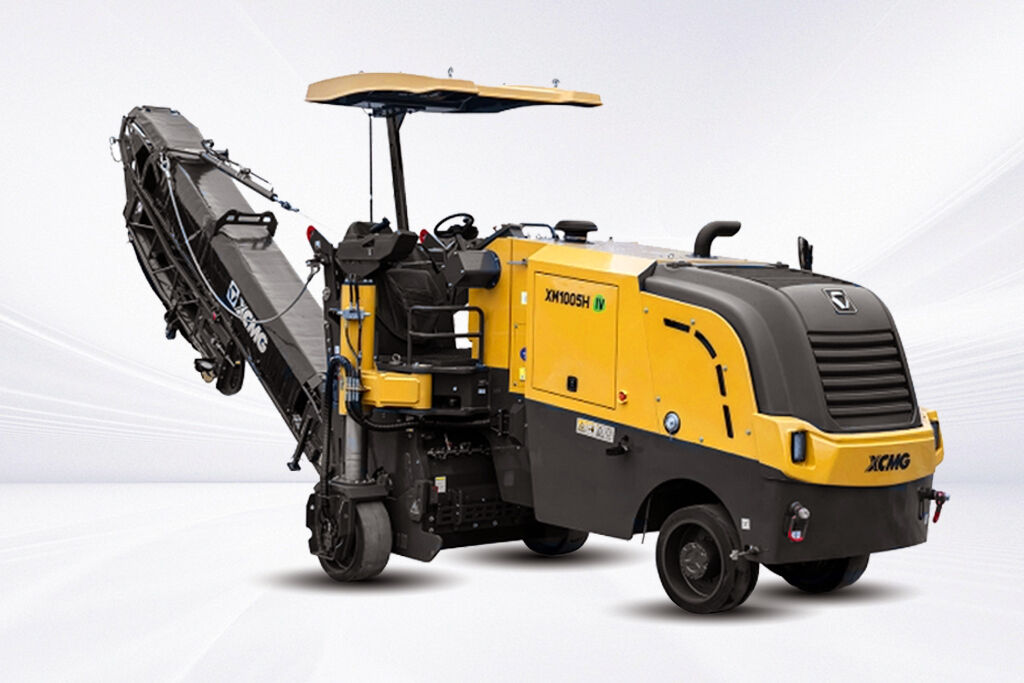
Revolutionary Road Surface Removal Technology
The construction industry has witnessed remarkable advancements in road rehabilitation techniques, with the cold milling machine standing at the forefront of this transformation. This powerful piece of equipment has revolutionized how contractors approach road maintenance and reconstruction projects, offering precision, efficiency, and sustainability in ways previously unimaginable.
A cold milling machine, also known as a road planer or pavement planer, systematically removes deteriorated road surfaces with exceptional accuracy. This sophisticated equipment uses a rotating drum equipped with carbide-tipped teeth to grind and remove layers of asphalt, creating a uniform surface ready for new pavement application.
Core Components and Technical Excellence
Cutting-Edge Drum Technology
The heart of any cold milling machine lies in its milling drum assembly. Modern drums feature precisely arranged cutting tools that ensure uniform surface removal while minimizing vibration and wear. The cutting patterns are engineered to create the optimal texture for bonding with new asphalt layers, contributing to longer-lasting road surfaces.
Advanced drum designs now incorporate quick-change tool holders and automated lubrication systems, significantly reducing maintenance downtime. These innovations allow operators to maintain peak performance throughout extended milling operations, maximizing project efficiency and cost-effectiveness.
Precision Control Systems
Modern cold milling machines employ sophisticated grade and slope control systems. These automated systems utilize a combination of sensors, including sonic, laser, and GPS technology, to maintain exact milling depths and cross slopes. The result is unprecedented accuracy in surface removal, ensuring consistent results across entire project spans.
The integration of digital control interfaces allows operators to monitor and adjust parameters in real-time, making precise adjustments to accommodate varying surface conditions and project specifications. This level of control ensures optimal results while minimizing material waste and reducing project timelines.
Environmental and Economic Benefits
Sustainable Material Recovery
The cold milling machine plays a crucial role in sustainable road construction practices. By efficiently removing and processing existing pavement materials, it enables the recovery and recycling of valuable asphalt resources. The milled material can be repurposed in new pavement mixes, significantly reducing the demand for virgin materials and minimizing environmental impact.
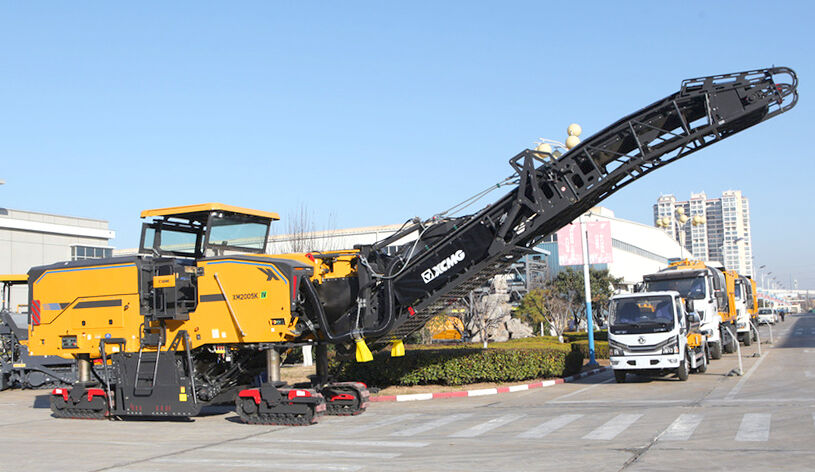
Advanced conveyor systems on modern cold milling machines ensure efficient collection and transfer of milled materials, preventing waste and environmental contamination. This systematic approach to material recovery aligns with growing industry demands for sustainable construction practices.
Cost-Effective Operations
The economic advantages of utilizing a cold milling machine extend beyond material recycling. These machines significantly reduce project duration through efficient surface removal and precise depth control, leading to substantial labor and equipment cost savings. The ability to selectively remove damaged layers while preserving sound underlying materials minimizes unnecessary material replacement.
Furthermore, the precise surface preparation achieved by cold milling machines results in better bonding between old and new pavement layers, extending the service life of rehabilitated roads and reducing long-term maintenance costs. This improved durability translates to significant savings for infrastructure maintenance budgets.
Advanced Operating Techniques
Pattern Development Strategies
Successful cold milling operations require careful planning and execution of milling patterns. Experienced operators develop specific strategies based on project requirements, road conditions, and environmental factors. These patterns ensure complete coverage while minimizing the number of passes required, optimizing fuel efficiency and reducing wear on equipment.
Modern cold milling machines feature automated systems that assist in pattern development and execution. These systems can store multiple pattern profiles and automatically adjust machine parameters to maintain consistent results across varying surface conditions.
Performance Optimization Methods
Maximizing the efficiency of a cold milling machine involves careful attention to operating parameters such as drum speed, forward velocity, and cutting depth. Skilled operators understand how to balance these factors to achieve optimal results while minimizing tool wear and fuel consumption.
Regular performance monitoring and preventive maintenance ensure consistent operation and prevent costly breakdowns. Advanced diagnostic systems help operators identify potential issues before they impact production, maintaining high equipment availability rates.
Future Innovations and Trends
Automated Operation Systems
The future of cold milling technology points toward increased automation and integration with digital construction management systems. Manufacturers are developing autonomous operation capabilities that will allow machines to execute complex milling patterns with minimal operator intervention, improving accuracy and safety while reducing labor requirements.
Integration with Building Information Modeling (BIM) and other digital construction platforms will enable better project planning and execution, with real-time data feedback ensuring optimal performance and results. These advancements promise to further enhance the efficiency and precision of road rehabilitation projects.
Enhanced Material Analysis
Emerging technologies in material analysis and quality control are being incorporated into cold milling machines. These systems provide real-time feedback on milled material properties, enabling immediate adjustments to ensure optimal recycling potential and surface preparation quality.
Advanced sensor systems are being developed to detect and analyze pavement conditions during milling operations, allowing for automated adjustments to milling parameters to optimize results across varying surface conditions.
Frequently Asked Questions
What is the typical lifespan of a cold milling machine?
A well-maintained cold milling machine typically has a service life of 8,000 to 12,000 operating hours, or approximately 7-10 years of regular use. However, with proper maintenance and timely component replacement, many machines continue to operate effectively well beyond this range.
How does weather affect cold milling operations?
While cold milling machines can operate in various weather conditions, extreme temperatures and precipitation can impact performance. Cold weather can make asphalt more brittle and harder to mill, while wet conditions may affect material handling and reduce overall efficiency. Optimal operations typically occur in moderate temperature conditions.
What depth can a cold milling machine typically achieve?
Modern cold milling machines can achieve milling depths ranging from surface texturing of just a few millimeters to full-depth removal of up to 14 inches in a single pass. The exact capability depends on the machine size, power, and specific model design.