
 EN
EN
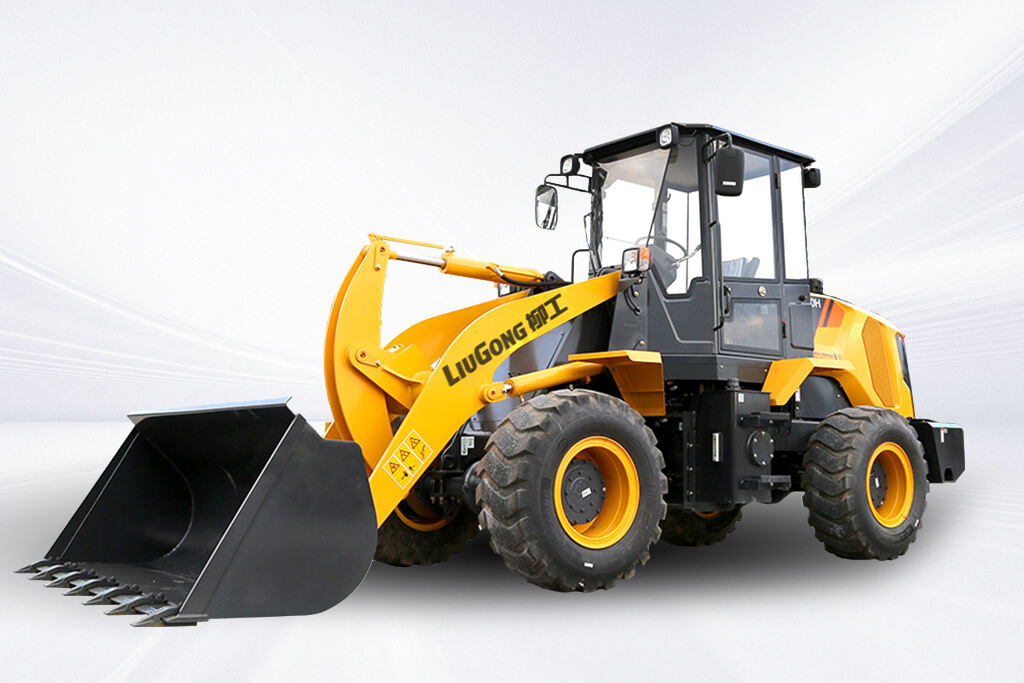
Wheeled loader applications in material handling span across multiple industries, from construction sites to agricultural operations, demonstrating the versatility and efficiency of these powerful machines. Understanding the specific applications of a wheeled loader helps businesses determine how this equipment can optimize their material handling operations, reduce labor costs, and improve overall productivity. The wheeled loader serves as a fundamental piece of equipment in modern material handling, offering the mobility and lifting capacity needed for diverse operational requirements.
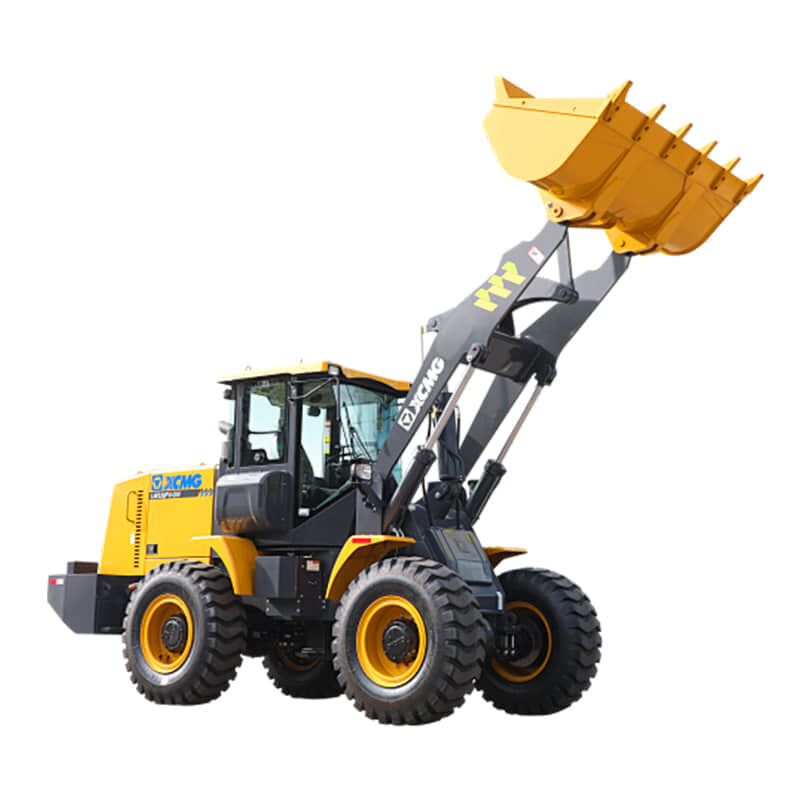
The primary applications of a wheeled loader in material handling encompass loading and unloading operations, material transportation, stockpile management, and specialized handling tasks across various industrial sectors. Each application leverages the unique capabilities of the wheeled loader, including its articulated steering system, powerful hydraulic lift arms, and interchangeable attachment options. These applications demonstrate why the wheeled loader has become an indispensable tool for efficient material handling operations in today's competitive business environment.
Construction and Infrastructure Material Handling
Aggregate and Raw Material Loading
Construction sites rely heavily on wheeled loader capabilities for handling aggregates, sand, gravel, and crushed stone. The wheeled loader efficiently loads these materials from stockpiles into dump trucks, concrete mixers, and other transport vehicles. This application requires precise bucket control and consistent loading patterns to ensure proper weight distribution and maximize truck payload capacity. Construction projects benefit from the wheeled loader's ability to work in confined spaces while maintaining high productivity levels.
The versatility of the wheeled loader extends to handling various aggregate sizes and types, from fine sand to large crushed rock. Operators can adjust loading techniques based on material characteristics, ensuring optimal loading efficiency while minimizing material segregation. The machine's rubber tires provide excellent traction on various surface conditions commonly found at construction sites, making the wheeled loader ideal for dynamic construction environments.
Building Material Management
Building material management represents another critical application where the wheeled loader excels in material handling operations. The machine efficiently moves and positions building materials such as lumber, steel beams, precast concrete panels, and roofing materials around construction sites. The wheeled loader's lifting capacity and precise hydraulic control enable safe handling of expensive building materials while minimizing damage risk.
Specialized attachments expand the wheeled loader's building material handling capabilities significantly. Fork attachments allow for pallet handling, while specialized clamps enable secure grip on irregular-shaped materials. The wheeled loader's mobility advantage becomes particularly evident when moving materials between different elevation levels or navigating around obstacles common in construction environments.
Industrial Facility Material Operations
Warehouse and Distribution Center Applications
Industrial facilities utilize the wheeled loader for extensive material handling operations within warehouses and distribution centers. The machine excels at loading and unloading bulk materials from rail cars, trucks, and storage areas. The wheeled loader's operating speed and lifting capacity enable rapid material throughput, essential for meeting tight delivery schedules and maintaining efficient supply chain operations.
The wheeled loader's application in warehouse environments often involves handling palletized materials, bulk commodities, and containerized goods. The machine's ability to work both indoors and outdoors makes it invaluable for facilities with mixed storage requirements. Operators appreciate the wheeled loader's maneuverability in tight warehouse aisles and its capacity to handle heavy loads safely and efficiently.
Manufacturing Support Operations
Manufacturing facilities depend on wheeled loader applications for supporting production processes through efficient material handling. The machine transports raw materials from storage areas to production lines, handles finished goods movement, and manages waste material removal. This application requires precise timing and coordination to avoid disrupting manufacturing schedules while maintaining continuous material flow.
The wheeled loader's role in manufacturing support extends to handling specialized materials such as metal shavings, chemical powders, and bulk raw materials. Different bucket configurations and attachment options enable the wheeled loader to handle diverse material types effectively. The machine's reliability and consistent performance make it essential for maintaining uninterrupted manufacturing operations.
Agricultural and Rural Material Handling
Feed and Grain Handling Operations
Agricultural operations extensively utilize wheeled loader applications for feed and grain handling throughout various seasonal activities. The machine efficiently loads grain from storage bins into transport vehicles, moves feed materials around farming facilities, and handles bulk agricultural commodities. The wheeled loader's capacity to work in outdoor environments and handle large volumes makes it indispensable for agricultural material handling operations.
Seasonal agricultural activities particularly benefit from wheeled loader versatility in material handling applications. During harvest seasons, the machine moves grain from combines to storage facilities or transport trucks. The wheeled loader also handles silage loading, hay bale movement, and livestock feed distribution. These applications demonstrate the machine's adaptability to diverse agricultural material handling requirements throughout the farming calendar.
Livestock and Farm Infrastructure Support
Farm infrastructure maintenance and livestock operations represent important wheeled loader applications in rural material handling. The machine efficiently moves manure from livestock areas to composting or storage locations, handles bedding materials for animal facilities, and manages farm waste disposal operations. The wheeled loader's ability to work in challenging outdoor conditions makes it valuable for year-round farm operations.
The wheeled loader's application in farm infrastructure extends to construction and maintenance activities such as moving fence materials, handling structural components for barn construction, and managing landscaping materials. The machine's versatility enables farmers to accomplish multiple material handling tasks with a single piece of equipment, improving operational efficiency and reducing equipment investment requirements.
Waste Management and Recycling Applications
Municipal Waste Handling
Municipal waste management facilities rely on wheeled loader applications for efficient material handling throughout waste processing operations. The machine loads waste materials from collection areas into processing equipment, manages sorted recyclable materials, and handles compost materials in organic waste facilities. The wheeled loader's robust construction enables it to handle demanding waste management applications while maintaining operational reliability.
Specialized waste handling applications require the wheeled loader to work with various material types including municipal solid waste, construction debris, and hazardous materials. Proper operator training and safety protocols become essential when using the wheeled loader in waste management applications. The machine's sealed cabin and filtration systems protect operators from potentially harmful materials while maintaining productive material handling capabilities.
Recycling Facility Operations
Recycling facilities utilize wheeled loader applications for sorting, moving, and loading recyclable materials throughout processing operations. The machine handles paper, cardboard, metal scrap, and plastic materials with different bucket configurations optimized for specific material types. The wheeled loader's precision control enables careful handling of valuable recyclable materials while maximizing recovery rates and processing efficiency.
The economic benefits of wheeled loader applications in recycling operations include reduced labor costs, improved material throughput, and enhanced safety compared to manual handling methods. The machine's ability to work continuously in demanding recycling environments while maintaining consistent performance makes it essential for profitable recycling operations. Advanced wheeled loader models offer improved fuel efficiency and reduced emissions, supporting environmental sustainability goals.
FAQ
What bucket size should I choose for my wheeled loader material handling applications?
Bucket size selection depends on your specific material handling requirements, including material density, required throughput, and operating space constraints. For lighter materials like grain or wood chips, larger buckets maximize productivity, while denser materials like gravel or sand require smaller buckets to maintain optimal machine performance. Consider your typical loading targets and cycle times when selecting bucket capacity to ensure efficient material handling operations.
How does wheeled loader tire selection impact material handling performance?
Tire selection significantly affects wheeled loader performance in different material handling applications. Solid tires provide puncture resistance for operations involving sharp materials, while pneumatic tires offer better ride quality and traction on varied surfaces. Specialty tires designed for specific applications such as waste handling or recycling operations can improve machine longevity and operator comfort while maintaining optimal material handling capabilities.
What maintenance considerations are important for wheeled loaders in continuous material handling operations?
Continuous material handling operations require strict adherence to preventive maintenance schedules including regular hydraulic fluid changes, filter replacements, and lubrication of all grease points. Monitor bucket cutting edge wear and replace when necessary to maintain loading efficiency. Regular inspection of tire condition, brake systems, and steering components ensures safe operation and prevents costly downtime in demanding material handling applications.
Can wheeled loaders handle both indoor and outdoor material handling applications effectively?
Yes, wheeled loaders are well-suited for both indoor and outdoor material handling applications when properly configured. Indoor applications may require Tier 4 engines or electric power options to meet emissions requirements, while outdoor applications benefit from enhanced lighting and visibility packages. The machine's compact design and excellent maneuverability make it effective in confined indoor spaces, while its robust construction handles demanding outdoor conditions effectively.
Table of Contents
- Construction and Infrastructure Material Handling
- Industrial Facility Material Operations
- Agricultural and Rural Material Handling
- Waste Management and Recycling Applications
-
FAQ
- What bucket size should I choose for my wheeled loader material handling applications?
- How does wheeled loader tire selection impact material handling performance?
- What maintenance considerations are important for wheeled loaders in continuous material handling operations?
- Can wheeled loaders handle both indoor and outdoor material handling applications effectively?