
 EN
EN
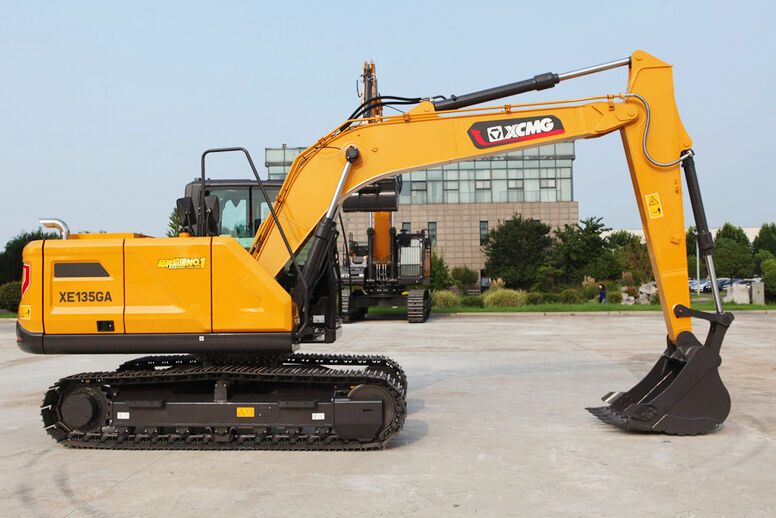
Selecting the right excavator for your construction project can make the difference between meeting deadlines and facing costly delays. With numerous models available in the market, each designed for specific applications and working conditions, the decision requires careful evaluation of your project requirements, site constraints, and operational goals. Understanding the key factors that influence excavator selection ensures you invest in equipment that maximizes productivity while minimizing operational costs throughout your project lifecycle.
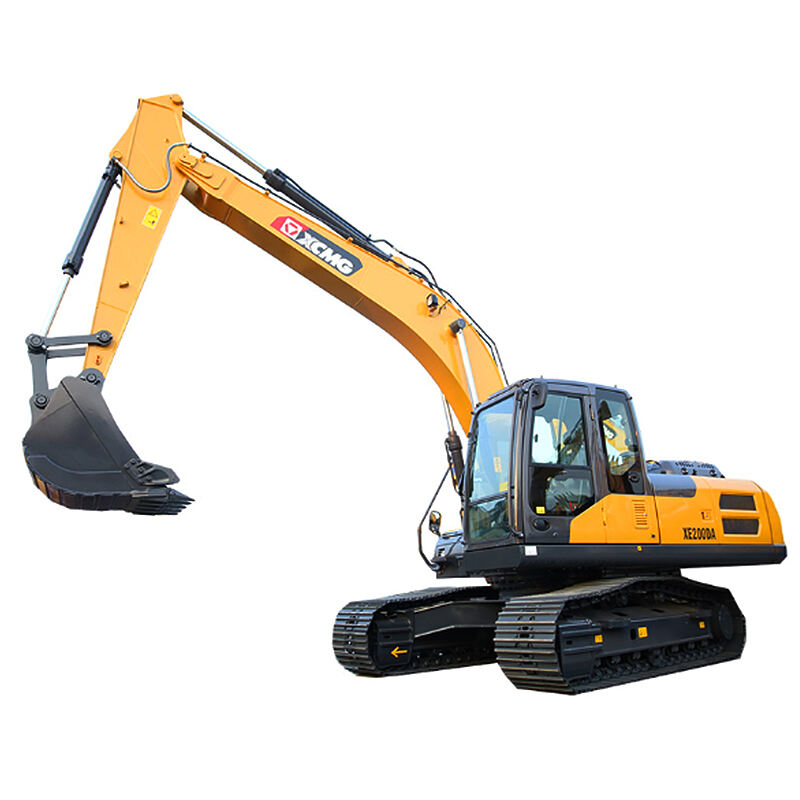
The process of choosing an excavator involves analyzing multiple technical and practical considerations that directly impact your project success. From determining the appropriate size class based on material handling requirements to evaluating hydraulic performance for specific tasks, each specification plays a crucial role in equipment effectiveness. Modern excavator selection also encompasses fuel efficiency considerations, operator comfort features, and maintenance accessibility that influence long-term operational costs and equipment reliability on demanding job sites.
Understanding Excavator Size Classes and Applications
Mini and Compact Excavator Categories
Mini excavators, typically weighing between 1 to 6 tons, excel in confined spaces where larger equipment cannot operate effectively. These compact machines provide excellent maneuverability in residential areas, indoor demolition projects, and landscaping applications. The reduced ground pressure and narrow width make a mini excavator ideal for working near existing structures without causing damage to surrounding surfaces or infrastructure.
Compact excavators in the 6 to 10-ton range offer increased digging depth and lifting capacity while maintaining relatively low transport costs. These machines bridge the gap between mini excavators and full-size equipment, providing sufficient power for utility installation, small foundation work, and general construction tasks. The compact excavator category often features rubber tracks that protect finished surfaces while delivering adequate traction on various terrain types.
Mid-Size Excavator Performance Range
Mid-size excavators ranging from 10 to 25 tons represent the most versatile category for general construction applications. These machines provide optimal balance between digging force, reach capabilities, and transport convenience. A mid-size excavator typically offers sufficient hydraulic flow for operating various attachments while maintaining fuel efficiency suitable for extended daily operations across diverse project types.
The 15 to 20-ton excavator class particularly suits road construction, commercial building projects, and municipal infrastructure work. These machines deliver consistent performance in moderate to challenging soil conditions while providing comfortable operator environments for long working shifts. Mid-size excavators often feature advanced hydraulic systems that automatically adjust power delivery based on load requirements, optimizing fuel consumption throughout daily operations.
Large Excavator Applications and Capabilities
Large excavators exceeding 25 tons provide maximum digging force and lifting capacity for demanding applications such as mining, heavy highway construction, and major earthmoving projects. These powerful machines feature extended reach capabilities and high hydraulic flow rates that support specialized attachments for breaking, crushing, and material handling operations requiring substantial force application.
The selection of a large excavator often depends on production requirements and material characteristics rather than space constraints. These machines excel in quarry operations, large-scale excavation projects, and applications requiring continuous high-output performance. Large excavators typically offer advanced telematics systems that monitor machine performance, fuel consumption, and maintenance requirements to optimize fleet management across extensive project sites.
Evaluating Job Site Conditions and Access Requirements
Space Constraints and Maneuverability Needs
Job site layout directly influences excavator selection, particularly regarding machine dimensions and turning radius requirements. Urban construction sites often feature limited access routes that restrict equipment transport and operational space. Measuring available working area, overhead clearances, and access width ensures the selected excavator can navigate effectively without requiring extensive site preparation or specialized transport arrangements.
Tail swing radius becomes critical when working near structures, utilities, or property boundaries. Zero tail swing or minimal tail swing excavator models prevent damage to adjacent buildings while maintaining full operational capability in restricted spaces. These design features particularly benefit utility work, renovation projects, and construction sites surrounded by existing infrastructure requiring careful equipment positioning.
Ground Conditions and Stability Factors
Soil composition and ground stability significantly impact excavator selection, particularly regarding track configuration and ground pressure distribution. Soft or unstable ground conditions require excavators with wider tracks or specialized undercarriage systems that distribute machine weight over larger surface areas. Rubber tracks provide reduced ground pressure and surface protection compared to steel tracks, making them suitable for finished surfaces and landscaped areas.
Rocky or abrasive ground conditions favor steel track excavators that resist wear and provide superior traction on irregular surfaces. The excavator undercarriage selection should match expected ground conditions throughout the project duration, considering seasonal variations and weather impact on soil stability. Proper track selection prevents excessive wear costs while ensuring reliable machine mobility across varying terrain conditions.
Transport and Mobility Considerations
Transportation requirements between job sites influence excavator size selection, particularly regarding truck trailer capacity and highway weight restrictions. Machines exceeding standard transport dimensions require specialized permits and escort vehicles, increasing mobilization costs and scheduling complexity. Selecting an excavator within standard transport limits often provides greater flexibility for multi-site projects requiring frequent equipment relocation.
Self-transport capability becomes valuable for projects requiring equipment movement between nearby work areas. Track-mounted excavators provide independent mobility for short-distance moves, while wheel-mounted versions offer higher travel speeds on improved surfaces. The frequency of equipment relocation and distance between work sites should factor into excavator selection decisions, balancing transport convenience against operational capabilities for primary work functions.
Matching Hydraulic Performance to Work Requirements
Digging Force and Breakout Power Specifications
Hydraulic digging force directly correlates with excavator productivity in challenging soil conditions and rock excavation applications. Bucket breakout force and arm digging force specifications indicate machine capability for penetrating compacted materials and extracting difficult materials efficiently. Higher hydraulic pressure systems provide increased force multiplication while maintaining precise control for delicate operations requiring accuracy and finesse.
Material characteristics determine minimum force requirements for effective excavation productivity. Clay soils, fractured rock, and frozen ground conditions require substantially higher breakout forces compared to loose sand or topsoil applications. Evaluating expected soil conditions throughout project phases ensures selected excavator hydraulic capacity meets peak demand requirements without compromising operational efficiency during challenging excavation periods.
Hydraulic Flow Requirements for Attachments
Auxiliary hydraulic flow capacity determines attachment compatibility and operational effectiveness for specialized work functions. High-flow hydraulic systems support demanding attachments such as hydraulic breakers, compactors, and specialized processing tools requiring substantial flow rates for optimal performance. Standard excavator hydraulic systems may limit attachment selection or reduce attachment effectiveness if flow capacity proves insufficient for specific applications.
Quick-connect hydraulic couplers enable rapid attachment changes while maintaining system pressure and flow characteristics. Modern excavator designs often feature dedicated auxiliary circuits with independent flow control, allowing simultaneous operation of multiple attachments or precise flow adjustment for specific attachment requirements. This hydraulic flexibility expands machine versatility across diverse project phases requiring different specialized tools and capabilities.
Cycle Time Optimization and Productivity Factors
Hydraulic system responsiveness directly impacts excavator cycle times and overall productivity in repetitive digging and loading operations. Fast cylinder speeds and responsive control systems reduce cycle times while maintaining precise positioning accuracy required for efficient material handling. Advanced hydraulic systems automatically adjust flow distribution based on operator inputs, optimizing power delivery for maximum productivity throughout varying load conditions.
Regenerative hydraulic circuits recover energy during lowering operations, improving fuel efficiency while maintaining cycle speed performance. These systems particularly benefit applications involving frequent lifting and lowering cycles, such as loading operations or material placement tasks. Modern excavator hydraulic designs balance power delivery with fuel consumption, providing sustainable productivity for extended operating periods typical in commercial construction applications.
Operational Efficiency and Cost Considerations
Fuel Consumption and Engine Efficiency
Engine technology significantly impacts operating costs through fuel consumption rates and emissions compliance requirements. Modern excavator engines feature advanced fuel injection systems, turbocharging, and electronic controls that optimize combustion efficiency across varying load conditions. Tier 4 Final emissions standards require sophisticated exhaust treatment systems that may influence maintenance requirements and operating procedures for regulatory compliance.
Eco-mode operation automatically adjusts engine speed and hydraulic flow to match load requirements, reducing fuel consumption during light-duty operations. These systems can achieve 10-20% fuel savings compared to constant high-power operation, significantly impacting daily operating costs over extended project periods. Evaluating fuel efficiency ratings and available power management features helps predict long-term operational costs for budget planning and equipment selection decisions.
Maintenance Accessibility and Service Requirements
Daily maintenance accessibility directly affects equipment availability and service efficiency throughout project duration. Ground-level service points, centralized lubrication systems, and easy-access engine compartments reduce maintenance time while improving service safety. Excavator designs featuring tilting operator cabs or removable panels provide superior access to hydraulic components, filters, and fluid check points required for routine maintenance procedures.
Service interval specifications and component durability influence maintenance costs and equipment downtime frequency. Extended service intervals reduce maintenance frequency while high-quality filtration systems protect critical components from contamination damage. Evaluating manufacturer service support availability, parts inventory, and technician proximity ensures reliable maintenance support throughout equipment ownership or lease periods for consistent operational availability.
Operator Comfort and Productivity Features
Operator comfort directly correlates with productivity and equipment utilization efficiency during extended working shifts. Modern excavator cabs feature climate control, ergonomic seating, and vibration isolation systems that reduce operator fatigue while maintaining precise control responsiveness. Excellent visibility through large glass areas and strategically positioned structural elements enhances safety while improving operational precision for demanding applications.
Intuitive control systems and customizable operation settings allow operators to optimize machine response characteristics for personal preferences and specific applications. Advanced display systems provide real-time performance monitoring, maintenance alerts, and operational guidance that supports efficient machine utilization. Selecting an excavator with superior operator environment features often results in improved productivity and reduced operator turnover costs throughout project duration.
FAQ
What size excavator do I need for residential construction projects?
For residential construction projects, a compact excavator in the 3-8 ton range typically provides optimal balance between capability and site compatibility. These machines offer sufficient digging depth for foundations and utility trenches while maintaining narrow width for access through standard gates and driveways. Consider mini excavators under 3 tons for landscaping and indoor demolition work where space constraints limit larger equipment operation.
How do soil conditions affect excavator selection?
Soil conditions significantly influence excavator selection through digging force requirements and undercarriage configuration needs. Rocky or hard-packed clay soils require higher hydraulic breakout forces, typically found in larger excavator classes. Soft or unstable ground conditions favor machines with wider tracks for reduced ground pressure, while finished surfaces benefit from rubber track configurations that prevent damage during operation.
What factors determine excavator rental versus purchase decisions?
Project duration, utilization frequency, and capital availability primarily determine excavator rental versus purchase decisions. Short-term projects under six months often favor rental arrangements, while long-term projects or continuous equipment needs may justify purchase investments. Consider maintenance responsibility, operator training requirements, and resale value potential when evaluating ownership versus rental options for specific applications.
How important is attachment compatibility when selecting an excavator?
Attachment compatibility significantly expands excavator versatility and should influence selection decisions based on anticipated work diversity. Evaluate hydraulic flow capacity, quick-connect systems, and manufacturer attachment availability for specialized tools like breakers, compactors, or grapples. High-flow hydraulic packages may justify higher initial costs if attachment utilization improves productivity and eliminates needs for additional specialized equipment throughout project phases.