
 EN
EN
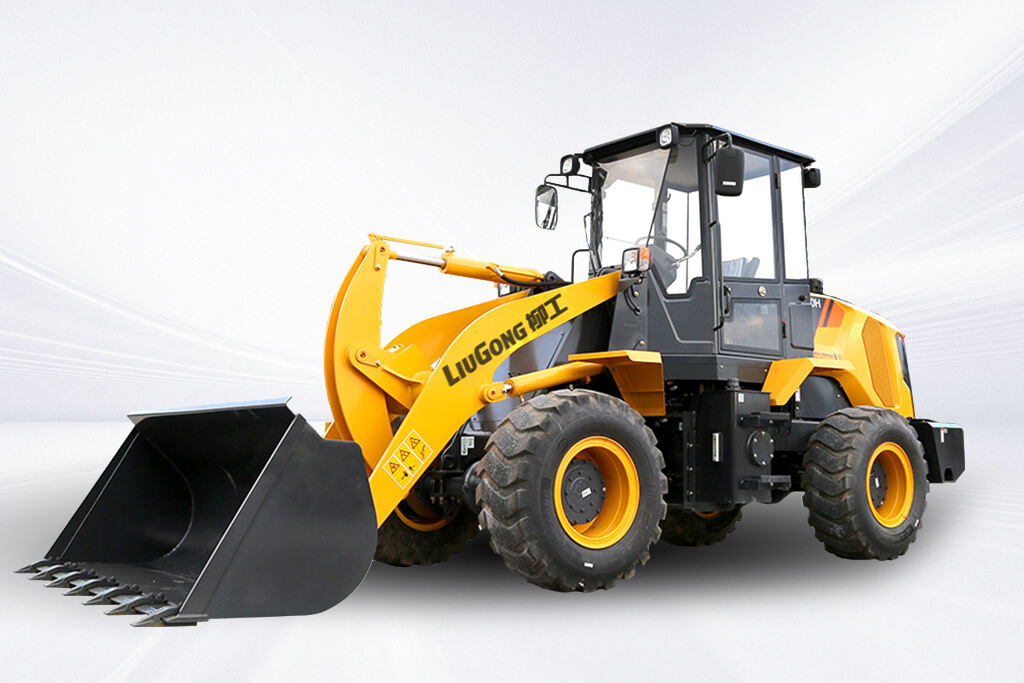
When selecting heavy equipment for construction, mining, or material handling projects, the choice between a wheeled loader and track loader can significantly impact your operational efficiency, project timeline, and overall costs. Understanding the distinct advantages of a wheeled loader becomes crucial for project managers, equipment operators, and construction professionals who need to optimize their equipment selection for specific job requirements and working conditions.
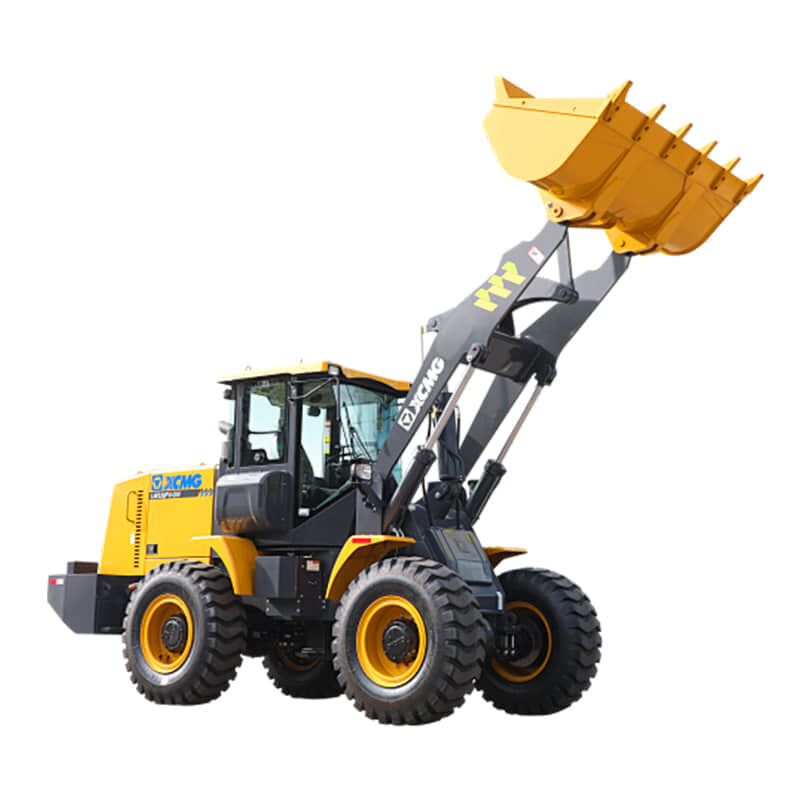
The decision between wheeled and tracked equipment involves analyzing multiple factors including mobility requirements, ground conditions, operational speed, maintenance considerations, and long-term cost implications. While both types of loaders serve similar primary functions in material handling and excavation, their design differences create distinct operational advantages that make one more suitable than the other depending on your specific project parameters and site conditions.
Superior Mobility and Speed Advantages
Enhanced Travel Speed and Efficiency
A wheeled loader delivers substantially higher travel speeds compared to track loaders, making it the preferred choice for projects requiring frequent movement between work areas or transportation across larger job sites. The rubber tires on a wheeled loader enable speeds of up to 25-30 mph on paved surfaces, while track loaders typically max out at 6-10 mph regardless of surface conditions.
This speed advantage translates directly into productivity gains, especially on projects where the equipment needs to traverse significant distances during normal operations. Construction sites with multiple work zones, material yards requiring frequent trips to loading areas, and projects spanning large geographical areas benefit enormously from the enhanced mobility that a wheeled loader provides.
The improved travel capability also reduces cycle times for repetitive tasks such as loading trucks, moving materials between stockpiles, or repositioning for different phases of construction work. Project managers consistently report 15-25% productivity improvements when using wheeled loaders for applications involving substantial travel requirements.
Roadway Transportation and Site-to-Site Movement
Unlike track loaders that require trailer transportation between job sites, a wheeled loader can travel independently on public roads when properly equipped with necessary safety features and permits. This self-transportation capability eliminates the need for lowboy trailers, reduces transportation costs, and provides greater scheduling flexibility for contractors managing multiple project locations.
The ability to drive directly from one job site to another becomes particularly valuable for rental companies, contractors with multiple simultaneous projects, or emergency response situations where rapid equipment deployment is essential. This mobility advantage can result in significant cost savings over the equipment's operational lifecycle.
Ground Impact and Surface Preservation Benefits
Reduced Ground Pressure and Surface Protection
A wheeled loader typically exerts lower ground pressure per square inch compared to track loaders of similar weight and capacity, making it more suitable for operations on finished surfaces, sensitive ground conditions, or areas where surface preservation is critical. The distributed weight across four large tires creates less concentrated pressure points than continuous track systems.
This characteristic makes wheeled loaders ideal for working on concrete surfaces, asphalt areas, landscaped grounds, or any location where minimizing surface damage is important. Projects involving work near completed structures, parking lot maintenance, or operations in urban environments with existing infrastructure benefit significantly from the gentler ground contact that a wheeled loader provides.
The rubber tires also provide better traction control on various surface types without the aggressive grip pattern of steel tracks that can damage delicate surfaces. This makes wheeled loaders particularly valuable for material handling operations in warehouses, distribution centers, or indoor facilities where floor protection is paramount.
Versatility Across Different Terrain Types
While track loaders excel in extremely soft or muddy conditions, a wheeled loader offers superior performance across a broader range of terrain types. On firm ground, gravel surfaces, compacted soil, and paved areas, wheeled loaders provide excellent stability and maneuverability while maintaining the ability to transition quickly between different surface conditions without equipment modifications.
The tire selection options for wheeled loaders allow operators to optimize traction and surface protection for specific applications. From smooth tires for minimal surface impact to aggressive tread patterns for enhanced grip on loose materials, the versatility of tire options makes wheeled loaders adaptable to changing project requirements throughout a job's duration.
Operational Cost and Maintenance Advantages
Lower Operating and Maintenance Costs
The maintenance requirements for a wheeled loader are generally less complex and costly compared to track loader systems. Rubber tires require periodic replacement but involve simpler maintenance procedures than track systems with their numerous moving parts, tensioning mechanisms, and wear components that require regular adjustment and replacement.
Track replacement costs can be substantial, often ranging from $15,000 to $40,000 depending on the loader size, while tire replacement for wheeled loaders typically costs significantly less and can be performed more quickly with standard equipment. The reduced downtime for maintenance translates into higher equipment availability and improved project scheduling reliability.
Additionally, wheeled loaders consume less fuel during travel operations due to reduced rolling resistance compared to track systems. This fuel efficiency advantage becomes more pronounced on projects involving significant travel distances or extended operating periods, contributing to lower overall operating costs per hour of productive work.
Simplified Service and Parts Availability
Service procedures for wheeled loaders are often more straightforward, requiring less specialized knowledge and equipment compared to track system maintenance. The hydraulic systems, engine compartments, and drivetrain components are typically more accessible on wheeled loader designs, reducing service time and labor costs.
Parts availability for wheeled loaders is generally better due to the widespread use of standard tire sizes and common drivetrain components across different manufacturer models. This improved parts availability reduces equipment downtime and inventory costs for contractors maintaining fleet equipment or operating in remote locations where parts delivery might be challenging.
Application-Specific Performance Benefits
Material Handling and Loading Operations
For applications primarily involving material loading, stockpile management, and truck loading operations, a wheeled loader offers optimal performance characteristics. The faster cycle times enabled by higher travel speeds between loading and dumping locations result in increased material throughput and improved overall productivity for these common construction tasks.
The stability provided by the four-point tire contact system creates an excellent platform for precise material handling operations. The responsive steering and smooth operation characteristics of wheeled loaders make them particularly effective for applications requiring frequent directional changes, tight maneuvering, or operations in confined spaces where operator comfort and control are essential.
Wheeled loaders also provide better operator visibility in many configurations due to their design geometry and cabin positioning. This enhanced visibility contributes to safer and more efficient operations, particularly in busy construction environments where situational awareness is critical for both productivity and safety.
Urban and Infrastructure Project Applications
Urban construction projects and infrastructure work often involve operations on or near finished surfaces, requiring equipment that can work effectively without causing damage to surrounding areas. A wheeled loader's ability to operate on various surfaces without leaving marks or causing structural damage makes it the logical choice for these applications.
The noise levels produced by wheeled loaders during operation are typically lower than track loaders, making them more suitable for work in residential areas, near hospitals, schools, or other noise-sensitive locations. This acoustic advantage can be crucial for projects with noise restrictions or community relations considerations.
Projects involving utility work, road maintenance, or municipal operations benefit from the wheeled loader's ability to quickly transition between work areas and travel on public roads without requiring special transportation arrangements. This operational flexibility often determines project feasibility and cost-effectiveness in urban environments.
FAQ
What are the main disadvantages of choosing a wheeled loader over a track loader?
The primary disadvantages of wheeled loaders include reduced performance in extremely soft, muddy, or unstable ground conditions where track loaders provide superior flotation and stability. Wheeled loaders may also have limitations in very steep terrain applications and can experience tire damage in environments with sharp debris or aggressive materials that could puncture or cut rubber tires.
How do fuel consumption rates compare between wheeled and track loaders?
Wheeled loaders typically consume 10-20% less fuel than comparable track loaders during travel operations due to lower rolling resistance. However, fuel consumption during actual work operations depends more on engine load and hydraulic demands rather than the undercarriage type. The fuel savings from wheeled loaders become more significant on projects involving substantial travel between work areas.
Can wheeled loaders handle the same lifting capacities as track loaders?
Wheeled loaders are available in similar size ranges and lifting capacities as track loaders, with models ranging from compact units with 1-2 yard buckets to large production machines with 6+ yard capacities. The choice between wheel and track configurations doesn't significantly limit the available lifting capacity options, allowing selection based on operational requirements rather than capacity constraints.
What ground conditions make wheeled loaders unsuitable compared to track loaders?
Wheeled loaders become less suitable in conditions with deep mud, very soft soil with poor bearing capacity, steep slopes exceeding their stability limits, or terrain with significant obstacles that require the superior climbing ability of track systems. Additionally, applications involving continuous operation on highly abrasive surfaces may favor track loaders due to their resistance to undercarriage damage from sharp materials.
Table of Contents
- Superior Mobility and Speed Advantages
- Ground Impact and Surface Preservation Benefits
- Operational Cost and Maintenance Advantages
- Application-Specific Performance Benefits
-
FAQ
- What are the main disadvantages of choosing a wheeled loader over a track loader?
- How do fuel consumption rates compare between wheeled and track loaders?
- Can wheeled loaders handle the same lifting capacities as track loaders?
- What ground conditions make wheeled loaders unsuitable compared to track loaders?