
 EN
EN
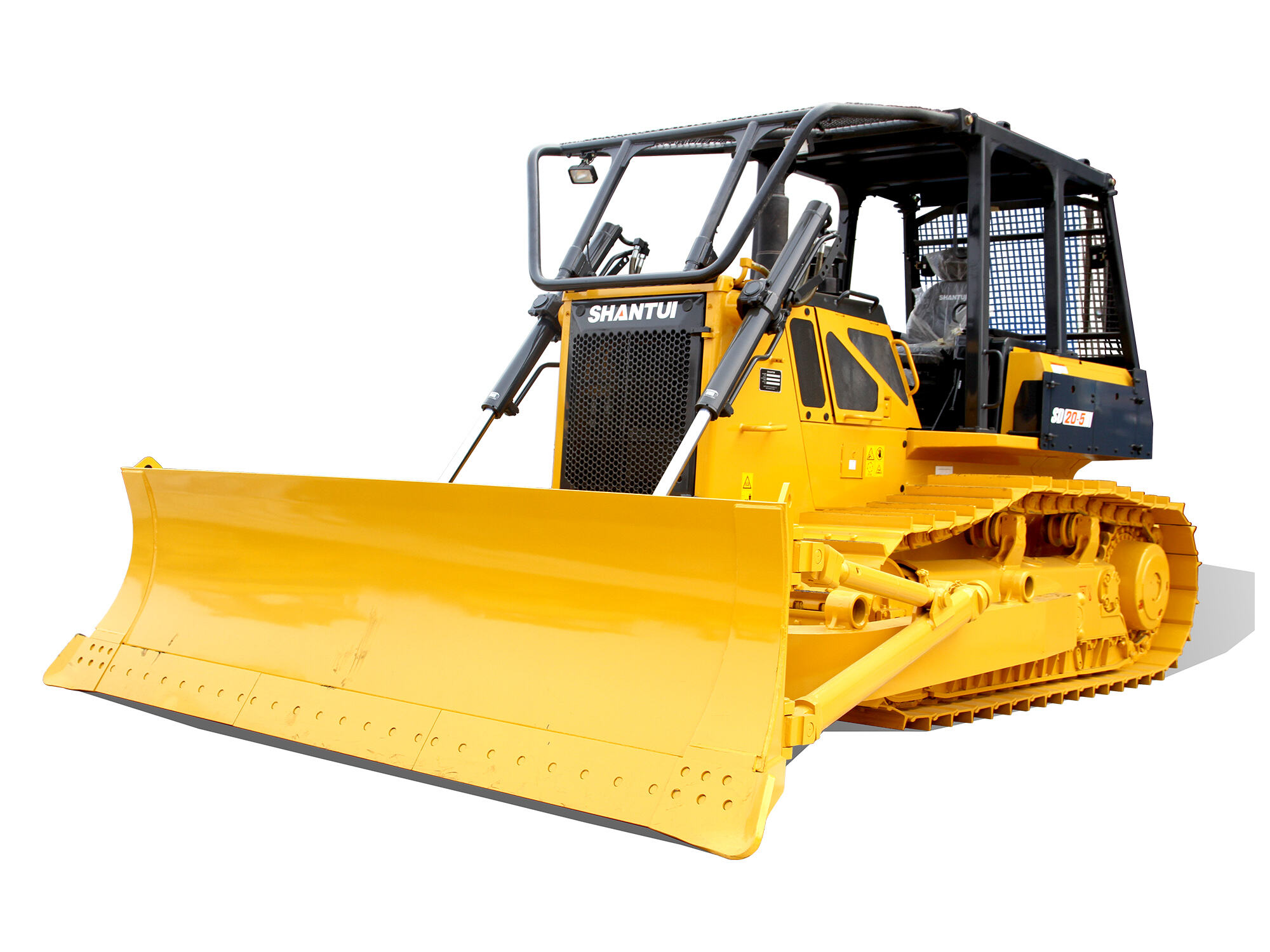
The bulldozer stands as the most versatile and essential piece of heavy machinery in earthmoving operations worldwide. From massive infrastructure projects to small-scale land development, the bulldozer delivers unmatched power, precision, and reliability that keeps construction projects moving forward. Understanding what makes this machine so indispensable requires examining its unique combination of raw pushing force, sophisticated engineering, and adaptability across diverse terrain and operational challenges.
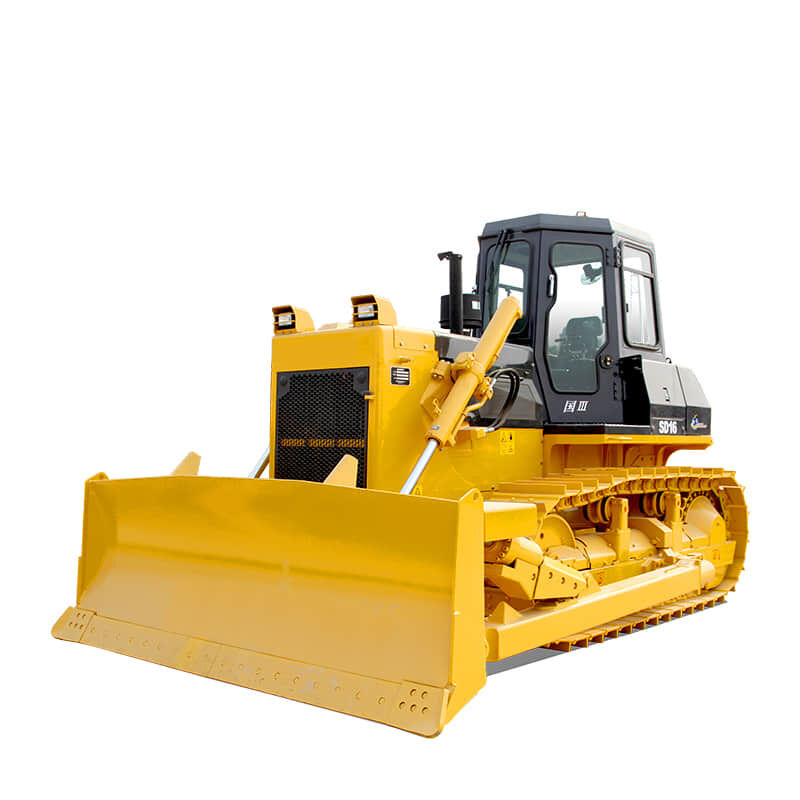
The backbone role of a bulldozer in earthmoving operations stems from its ability to handle the heaviest, most demanding tasks that other machinery simply cannot accomplish. Whether breaking new ground on virgin sites, moving massive volumes of material, or creating precise grades across challenging terrain, the bulldozer provides the foundation upon which entire construction projects depend. This fundamental capability has made it an irreplaceable cornerstone of modern construction and earthmoving operations.
Unmatched Power and Pushing Capability
Raw Horsepower and Torque Delivery
The defining characteristic that makes a bulldozer the backbone of earthmoving operations is its extraordinary power-to-weight ratio and torque delivery system. Modern bulldozers generate between 150 to 850 horsepower, with engine designs specifically optimized for sustained heavy-duty operation under maximum load conditions. This power translates directly into pushing force that can move thousands of cubic yards of material per hour, making the bulldozer capable of handling tasks that would require multiple smaller machines working in coordination.
The torque multiplication achieved through advanced transmission systems allows a bulldozer to maintain consistent pushing power even when encountering varying soil densities, rocky conditions, or steep gradients. This consistent power delivery ensures that earthmoving operations can proceed without interruption, maintaining project schedules and productivity targets that drive construction profitability.
Blade Technology and Material Displacement
The bulldozer blade represents the critical interface between machine power and material displacement, engineered to maximize cutting efficiency while minimizing energy loss. Advanced blade designs incorporate curved profiles that reduce soil adhesion, serrated cutting edges that break through compacted materials, and hydraulic tilt mechanisms that enable precise grading operations. These features enable a single bulldozer to perform multiple earthmoving functions that traditionally required specialized equipment.
Modern bulldozer blades can be configured for specific applications, from straight blades optimized for pushing and grading to angle blades designed for side-casting operations and U-blades that maximize material retention during long pushes. This adaptability ensures that the bulldozer remains the primary machine choice across diverse earthmoving scenarios, from initial site clearing to final grade preparation.
Superior Traction and Mobility Systems
Track Design and Ground Pressure Distribution
The tracked undercarriage system of a bulldozer provides unmatched traction and stability across challenging terrain conditions that would immobilize wheeled equipment. Wide track shoes distribute machine weight over a large surface area, reducing ground pressure while maintaining maximum traction for pushing operations. This design enables bulldozer operations in soft soils, muddy conditions, and steep slopes where other earthmoving equipment cannot operate effectively.
Advanced track systems incorporate rubber pads for reduced ground disturbance on finished surfaces, steel grousers for maximum traction in loose materials, and variable track tensions that optimize performance across different operating conditions. The bulldozer track system provides the stable platform necessary for precise grading operations while maintaining the mobility required for efficient material transport across job sites.
Stability and Precision Control
The low center of gravity and wide track stance of a bulldozer create exceptional stability during heavy pushing operations and precise grading work. This stability becomes crucial when operating on slopes, working near excavations, or performing finish grading that requires millimeter-level accuracy. The combination of mechanical stability and advanced hydraulic control systems enables bulldozer operators to maintain precise blade positioning while applying maximum pushing force.
Sophisticated joystick controls and GPS integration systems allow modern bulldozers to achieve grade accuracy within centimeters, eliminating the need for manual surveying and reducing the requirement for finish work by specialized grading equipment. This precision capability makes the bulldozer essential for both rough earthmoving and final site preparation phases of construction projects.
Versatility Across Multiple Applications
Site Preparation and Land Clearing
The bulldozer excels in initial site preparation tasks that establish the foundation for all subsequent construction activities. Land clearing operations require the ability to push over trees, remove stumps, and process vegetation while maintaining forward progress across uneven terrain. The bulldozer combines sufficient power to overcome natural obstacles with the stability needed to operate safely in uncontrolled environments.
Specialized bulldozer attachments, including root rakes, brush guards, and tree pushers, enhance clearing capabilities while protecting machine components from damage. This versatility allows a single bulldozer to complete comprehensive site preparation that would otherwise require multiple specialized machines, reducing equipment costs and simplifying project logistics.
Material Handling and Stockpile Management
Beyond pushing operations, the bulldozer serves as an efficient material handling machine for stockpile creation, maintenance, and reclamation. The ability to push large volumes of material over extended distances makes the bulldozer ideal for creating organized stockpiles that facilitate efficient loading operations by excavators and wheel loaders. Strategic stockpile placement by bulldozers optimizes job site traffic flow and material accessibility.
Bulldozer material handling capabilities extend to spreading operations, where precise blade control enables uniform material distribution across large areas. This spreading capability proves essential for road base preparation, embankment construction, and final site restoration activities that require consistent material thickness and density.
Economic Impact and Operational Efficiency
Production Rates and Cost Effectiveness
The economic backbone role of a bulldozer in earthmoving operations derives from its exceptional production rates relative to operating costs. A properly sized bulldozer can move more material per hour than multiple smaller machines while consuming proportionally less fuel and requiring fewer operators. This efficiency translates directly into reduced project costs and improved profit margins for earthmoving contractors.
Modern bulldozer fuel efficiency systems, including automated transmission controls and power management systems, optimize fuel consumption while maintaining maximum productivity. These efficiency gains become particularly significant on large-scale earthmoving projects where fuel costs represent a major portion of operating expenses. The bulldozer ability to maintain consistent production rates across varying conditions ensures predictable project costs and scheduling.
Durability and Maintenance Considerations
The robust construction of bulldozers enables extended service life under demanding earthmoving conditions, providing long-term value that justifies initial equipment investment. Heavy-duty frames, reinforced drivetrains, and protected hydraulic systems allow bulldozers to operate thousands of hours between major overhauls while maintaining consistent performance levels.
Routine maintenance requirements for bulldozers, while substantial, remain predictable and manageable through established service intervals and readily available replacement parts. This maintenance predictability enables accurate cost forecasting and equipment availability planning that supports reliable earthmoving operations. The bulldozer reputation for durability makes it a dependable foundation for earthmoving fleets across diverse geographic and climatic conditions.
Integration with Modern Construction Technology
GPS and Grade Control Systems
Contemporary bulldozers integrate advanced GPS technology and automated grade control systems that transform earthmoving precision and efficiency. These systems enable bulldozer operators to achieve specified grades automatically while maintaining optimal cutting and filling patterns that minimize material waste. GPS integration eliminates the need for manual grade stakes and reduces surveying requirements, accelerating project completion while improving accuracy.
Automated blade control responds to real-time grade data, making continuous adjustments that maintain precise elevation targets across varying ground conditions. This technological capability enables a single bulldozer to perform finish grading operations that previously required specialized motor graders, expanding the machine versatility and reducing equipment requirements on construction projects.
Telematics and Fleet Management
Modern bulldozer telematics systems provide comprehensive monitoring of machine performance, location tracking, and predictive maintenance scheduling that optimize earthmoving operations. Real-time data transmission enables fleet managers to monitor bulldozer productivity, fuel consumption, and operating parameters from remote locations, facilitating informed decisions about equipment deployment and maintenance timing.
Integrated telematics data helps identify optimal bulldozer utilization patterns, operator performance metrics, and equipment efficiency trends that drive continuous improvement in earthmoving operations. This data-driven approach to bulldozer management ensures maximum return on equipment investment while maintaining high standards of operational safety and environmental compliance.
FAQ
What size bulldozer is best for most earthmoving operations?
Medium-sized bulldozers in the 150-300 horsepower range provide the optimal balance of power, versatility, and operating costs for most earthmoving operations. These machines offer sufficient pushing force for heavy material movement while maintaining the mobility and precision required for diverse construction tasks. Larger bulldozers become necessary for massive earthmoving projects, while smaller units work best for residential and light commercial applications.
How does a bulldozer compare to excavators for earthmoving work?
Bulldozers excel at pushing large volumes of material over distance and creating precise grades, while excavators provide superior digging capability and material placement precision. The bulldozer serves as the primary production machine for moving material efficiently across job sites, while excavators handle detailed excavation work and precise material placement. Most earthmoving operations benefit from both machine types working in coordination rather than relying on either machine exclusively.
What maintenance practices keep bulldozers operating reliably in earthmoving operations?
Critical bulldozer maintenance includes daily track tension checks, hydraulic fluid monitoring, and undercarriage cleaning to remove debris buildup. Regular engine oil changes, air filter replacements, and cooling system maintenance prevent costly breakdowns during intensive earthmoving operations. Scheduled inspections of blade cutting edges, hydraulic cylinders, and drive components ensure consistent performance and identify potential issues before they cause operational disruptions.
How do modern bulldozers improve safety in earthmoving operations?
Contemporary bulldozers incorporate ROPS/FOPS certified cabs, backup cameras, and proximity detection systems that enhance operator safety during earthmoving operations. Improved visibility through larger windows and LED lighting systems reduces accident risks in low-light conditions. Advanced hydraulic systems include pressure relief valves and emergency shutdown features that protect operators during equipment malfunctions, while ergonomic controls reduce operator fatigue during extended earthmoving shifts.