
 EN
EN

Operating an excavator requires skill, experience, and careful attention to proper procedures. Unfortunately, many operators unknowingly develop poor habits that can lead to equipment damage, reduced productivity, and safety hazards on the job site. These common mistakes often stem from inadequate training, time pressure, or simply developing bad practices over years of operation without proper correction.
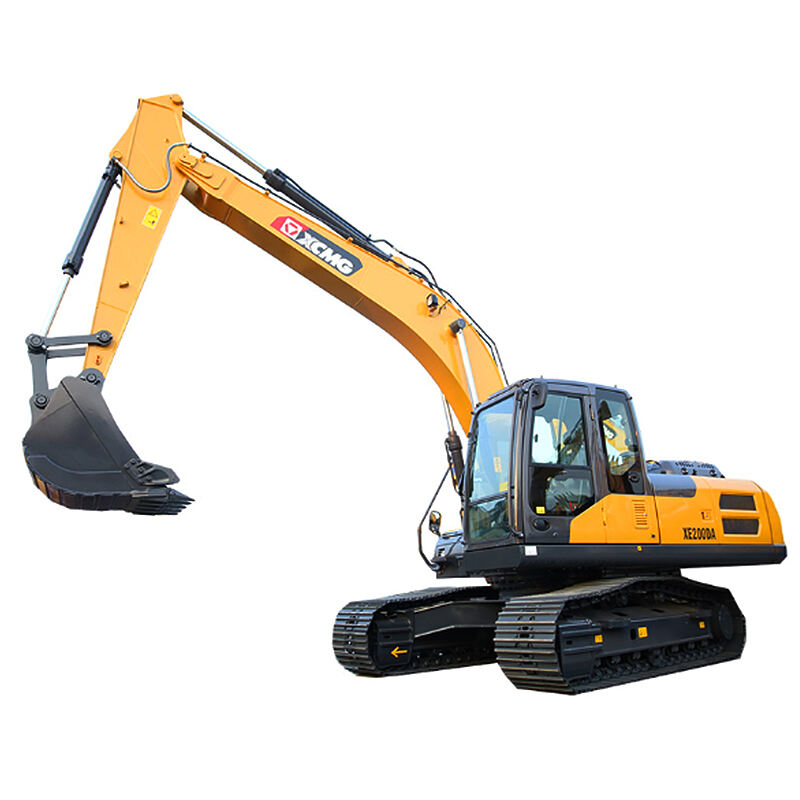
Identifying and correcting these operational mistakes is crucial for maximizing your excavator's lifespan, maintaining optimal performance, and ensuring workplace safety. Whether you're a seasoned operator looking to refine your techniques or a newcomer wanting to establish proper habits from the start, understanding these common pitfalls will help you operate your excavator more effectively and avoid costly repairs or accidents.
Pre-Operation Inspection Mistakes
Skipping Daily Walk-Around Checks
One of the most critical mistakes excavator operators make is rushing into operation without conducting thorough pre-operation inspections. A proper walk-around inspection should include checking hydraulic fluid levels, engine oil, coolant, and examining tracks or tires for wear and damage. Many operators skip these checks due to time constraints, but this oversight can lead to catastrophic equipment failure during operation.
The excavator's hydraulic system is particularly vulnerable when fluid levels are low or contaminated. Operating with insufficient hydraulic fluid can cause pump damage, cylinder failure, and complete system breakdown. Additionally, failing to check for hydraulic leaks during the pre-operation inspection means missing early warning signs of potential failures that could leave you stranded on the job site.
Track tension and condition checks are equally important but frequently overlooked. Loose tracks can derail during operation, while overtightened tracks cause excessive wear on drive sprockets and idler wheels. Regular inspection allows operators to identify worn track pads, damaged pins, or excessive stretch before these issues become major problems requiring expensive repairs.
Ignoring Warning Systems and Gauges
Modern excavators are equipped with sophisticated monitoring systems designed to alert operators to potential problems before they cause damage. However, many operators develop the dangerous habit of ignoring warning lights, alarms, or gauge readings that fall outside normal parameters. This cavalier attitude toward monitoring systems often results from false alarms or minor issues that seemed to resolve themselves.
Engine temperature warnings are particularly critical and should never be ignored. Continuing to operate an excavator with an overheating engine can cause irreversible damage to cylinder heads, pistons, and other internal components. Similarly, hydraulic system temperature warnings indicate potential problems with cooling circuits, fluid contamination, or excessive system pressure that requires immediate attention.
Oil pressure warnings represent another critical alert that operators sometimes dismiss. Low oil pressure can indicate pump failure, filter blockage, or insufficient fluid levels. Operating an excavator with low oil pressure, even briefly, can cause bearing damage and complete engine seizure, resulting in repair costs that far exceed the value of addressing the warning promptly.
Operational Technique Errors
Improper Digging and Loading Techniques
Many excavator operators develop inefficient digging techniques that reduce productivity and increase wear on machine components. One common mistake is using excessive force when the excavator encounters resistance, rather than adjusting the approach or using proper technique to work around obstacles. This aggressive approach puts unnecessary stress on the boom, stick, and bucket cylinders, leading to premature seal failure and structural damage.
Incorrect bucket positioning during digging operations is another frequent error that affects both efficiency and component longevity. Operators who consistently dig with the bucket at improper angles create uneven wear patterns on cutting edges and teeth. Additionally, forcing the bucket through material at the wrong angle increases fuel consumption and reduces the excavator's overall digging performance.
Loading technique errors often involve improper swing mechanics and poor coordination between boom, stick, and bucket movements. Operators who rely too heavily on the swing motor to position loads create excessive wear on the swing bearing and motor. Proper loading technique involves using coordinated movements to minimize swing distance and reduce cycle times while maintaining smooth, controlled motions that preserve machine components.
Swing and Travel Mistakes
Excessive swinging speed and abrupt directional changes represent common operational errors that accelerate wear on swing motor components and create unnecessary stress on the machine frame. Many operators believe that faster swing speeds increase productivity, but this approach actually reduces precision and increases fuel consumption. Smooth, controlled swing motions allow for better load positioning and reduce the risk of load spillage or equipment damage.
Travel mistakes often involve operating the excavator on slopes beyond the manufacturer's recommendations or failing to position the machine properly for stability during operation. Traveling with the boom extended or the bucket loaded on slopes increases the risk of tipping and puts excessive stress on the undercarriage components. Proper travel technique requires keeping the blade or tracks in contact with the ground and maintaining the boom in a low, stable position.
Another critical travel error involves operating the excavator at excessive speeds over rough terrain. High-speed travel over uneven surfaces causes impact damage to track chains, rollers, and drive sprockets. This aggressive operating style also increases operator fatigue and reduces the precision available for subsequent operations, ultimately decreasing overall job site productivity.
Maintenance and Care Oversights
Inadequate Lubrication Practices
Proper lubrication is essential for excavator longevity, yet many operators fail to follow manufacturer-specified greasing schedules or use incorrect lubricant types. Undercarriage components, particularly track pins and bushings, require regular greasing to prevent excessive wear and extend service life. Operators who skip or delay greasing intervals often discover the damage only when track chains require premature replacement.
Boom, stick, and bucket pivot points also require regular attention, but many operators neglect these critical lubrication points. Insufficient greasing leads to accelerated wear on bushings and pins, eventually resulting in excessive play in the machine's joints. This increased clearance reduces digging precision and creates additional stress on hydraulic cylinders and attachment points.
Swing bearing lubrication represents another commonly overlooked maintenance requirement. The excavator's swing bearing carries enormous loads and operates under challenging conditions, making proper lubrication critical for preventing premature failure. Operators who ignore swing bearing greasing requirements often face expensive bearing replacement and extended downtime that could have been prevented with routine maintenance.
Filter and Fluid Change Neglect
Hydraulic system health depends heavily on clean fluid and properly functioning filters, yet many operators extend service intervals beyond manufacturer recommendations or use incorrect filter specifications. Contaminated hydraulic fluid accelerates wear on pumps, valves, and cylinders while reducing system efficiency and increasing operating temperatures. Regular fluid analysis and timely changes prevent these problems and maintain optimal excavator performance.
Engine air filter maintenance is frequently overlooked, particularly in dusty operating environments where filters require more frequent attention. Clogged air filters reduce engine power, increase fuel consumption, and allow contaminants to enter the combustion chamber. Operators working in construction or mining environments should inspect air filters daily and replace them more frequently than standard intervals suggest.
Fuel system maintenance, including water separator and fuel filter changes, is often delayed until problems manifest. Water contamination in diesel fuel can cause injection system damage and reduce engine performance. Regular fuel filter changes and water separator draining prevent these issues and maintain consistent engine operation across varying fuel qualities and environmental conditions.
Safety and Environmental Mistakes
Inadequate Situational Awareness
Many excavator accidents result from operators failing to maintain proper situational awareness during operation. This includes inadequate communication with ground personnel, insufficient attention to overhead hazards like power lines, and poor visibility management around the work area. Operators who become too focused on the immediate task often miss changing conditions that could create safety hazards.
Underground utility awareness represents a critical safety consideration that many operators treat too casually. Striking buried utilities can result in serious injuries, service disruptions, and significant liability. Proper excavation protocol requires confirming utility locations, using appropriate excavation techniques near marked utilities, and maintaining constant vigilance for unexpected underground obstacles.
Working near traffic or in public areas requires heightened awareness and specific safety protocols that some operators overlook. Excavator operations in these environments demand constant attention to vehicle and pedestrian traffic patterns, proper signage and barrier placement, and clear communication with spotters or traffic control personnel to prevent accidents.
Environmental Impact Oversights
Environmental protection requirements are increasingly important in excavator operations, yet many operators lack awareness of regulations governing soil disturbance, water protection, and dust control. Improper soil handling can lead to erosion, sedimentation of waterways, and violations of environmental permits that result in project delays and financial penalties.
Fuel and fluid spill prevention receives insufficient attention from many operators who focus primarily on production goals. Even small spills can create significant environmental liability and regulatory violations. Proper spill prevention involves careful refueling procedures, immediate cleanup of minor leaks, and proper disposal of contaminated materials according to local regulations.
Dust control during excavation operations affects both environmental compliance and community relations. Operators who ignore dust suppression requirements may face regulatory action and community complaints that can jeopardize project continuation. Simple measures like water spraying or adjusting operating techniques can significantly reduce dust generation while maintaining productivity.
FAQ
What is the most expensive mistake excavator operators commonly make?
The most expensive mistake is operating the excavator with insufficient hydraulic fluid or ignoring hydraulic system warnings. This can lead to complete pump failure, cylinder damage, and system contamination that requires extensive repairs often costing tens of thousands of dollars. Regular fluid level checks and immediate response to warning signals prevent these catastrophic failures.
How often should I perform walk-around inspections on my excavator?
Walk-around inspections should be performed before every operating shift, regardless of whether the excavator was used the previous day. This daily inspection routine allows operators to identify developing problems before they cause equipment failure or safety hazards. Additional inspections should be conducted after any unusual operating conditions or suspected impact damage.
Can improper digging technique really damage my excavator?
Yes, improper digging techniques can cause significant damage to boom, stick, and bucket cylinders, as well as structural components and hydraulic seals. Using excessive force, incorrect bucket angles, or aggressive swing motions creates unnecessary stress that accelerates wear and can lead to premature component failure. Proper technique training significantly extends equipment life and reduces repair costs.
What should I do if I notice unusual sounds or vibrations during excavator operation?
Unusual sounds or vibrations should prompt immediate shutdown and investigation. These symptoms often indicate developing mechanical problems that can cause catastrophic failure if ignored. Check for loose components, inadequate lubrication, or damaged parts before resuming operation. When in doubt, consult a qualified technician rather than risking expensive damage by continuing to operate the excavator.