
 EN
EN
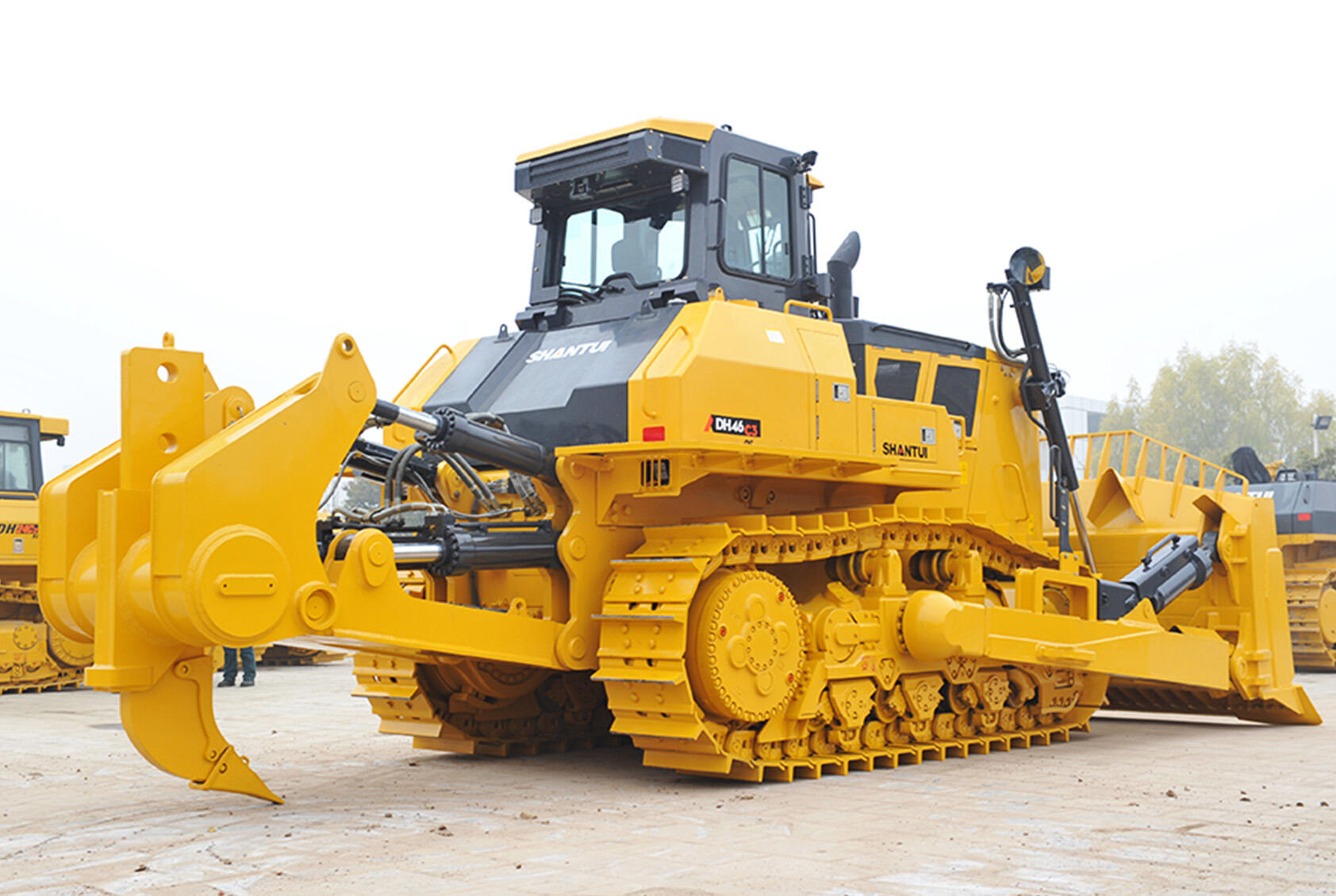
Supply Chain Overview
From a supplier’s perspective, understanding the bulldozer supply chain is critical for explaining the variability in bulldozer price. Modern bulldozers are complex machines composed of thousands of components sourced from multiple global suppliers. The supply chain begins with raw materials: high-grade steel for frames, wear-resistant alloys for blades, and durable polymers for cab interiors. Variations in material sourcing—domestic versus imported steel, specialized alloy treatments, or anti-corrosion coatings—directly affect production costs and ultimately the bulldozer price.
The manufacturing process further contributes to cost variation. Fabrication of high-strength frames and precision-machined undercarriages requires advanced welding, CNC machining, and quality inspection systems. Suppliers that maintain tighter tolerances and use automated production lines can produce higher quality bulldozers but at a higher price point. Conversely, cost-effective manufacturing plants may achieve lower bulldozer prices by simplifying assembly or sourcing less expensive materials, though at the potential expense of durability or performance.
Component sourcing is another key factor. Engines, hydraulic systems, and electronics are often outsourced to specialized manufacturers. A bulldozer equipped with a Tier 4-compliant engine or advanced load-sensing hydraulics carries a higher bulldozer price compared to a machine using standard components. Lead times, import tariffs, and supplier reliability further influence availability and cost.
Logistics and distribution also play a role in the final bulldozer price. Transporting large, heavy machines requires specialized equipment, such as flatbed trailers or roll-on/roll-off shipping containers. Customs duties, port handling, and inland transport costs vary by region and supplier, adding to price differences. Additionally, inventory policies—whether a supplier maintains stock units ready for immediate sale or produces on-demand—impact pricing. High stock availability can raise carrying costs, while limited stock may command a premium due to faster delivery.
Finally, after-sales service and support are integral to the supply chain. Suppliers that invest in parts distribution networks, certified technicians, and training programs add value but increase the bulldozer price. Buyers must consider not just the upfront purchase, but the comprehensive supply chain investment behind the machine. In essence, the bulldozer price reflects a combination of raw material selection, manufacturing sophistication, component sourcing, logistics, and support services.
Product Features
High-strength undercarriage components, wear-resistant blades, and durable frames are central to a bulldozer’s value. A key feature that affects bulldozer price is the high-strength track plate system. Advanced track plates are manufactured from quenched and tempered steel, offering exceptional wear resistance and load-bearing capability. This ensures the bulldozer maintains traction on soft, uneven, or abrasive surfaces while reducing maintenance frequency. Suppliers who integrate premium track plates into their bulldozers typically reflect this in the bulldozer price.
Another core feature is the anti-corrosion paint process. Bulldozers operate in harsh environments, exposed to moisture, chemicals, and abrasive particles. Anti-corrosion coatings protect structural and cosmetic components, extending service life. The application of advanced multi-layer paint systems—often including epoxy primers, polyurethane topcoats, and UV protection—adds to production complexity and cost, directly influencing the bulldozer price.
The high-torsional rigidity frame is equally critical. A robust chassis design resists twisting and bending during heavy-duty operations, particularly on uneven terrain or when pushing high loads. Reinforced weldments and strategic bracing ensure structural stability, reducing stress on hydraulic and powertrain systems. Achieving this level of frame integrity involves advanced engineering and precision welding, contributing to higher bulldozer prices.
Additional features affecting performance and cost include high-capacity blades, modular ripper attachments, and enclosed operator cabins. Enclosed cabs provide protection against noise, dust, and vibration, improving operator comfort and productivity. Ergonomic designs and climate control options can influence price, as suppliers who prioritize operator well-being often use higher-end materials and controls.
In combination, these features—high-strength track plates, anti-corrosion coatings, high-torsion frames, and operator-focused cabins—define the baseline for a durable, efficient bulldozer. Suppliers that emphasize these elements generally command a higher bulldozer price, reflecting both material investment and engineering sophistication.
Factors Affecting Bulldozer Price
Several factors contribute to the wide range of bulldozer prices available in the market. Engine specifications are a major determinant. High-powered engines deliver greater push force, better fuel efficiency, and higher uptime. Turbocharged or Tier 4-compliant engines increase manufacturing complexity and material requirements, elevating the bulldozer price.
Blade size and capacity also affect price. Larger, reinforced blades capable of moving greater volumes of soil require higher-strength steel and additional structural support. Modular blade designs, which allow rapid interchange between S, SU, and U configurations, add further engineering complexity and production costs.
Undercarriage design significantly influences both performance and cost. Heavy-duty undercarriages with high-strength rollers, sealed-and-lubricated track chains, and optimized sprockets reduce wear and extend service life. Wide-track options for low ground pressure applications add materials and assembly cost, reflected in the bulldozer price.
Material selection and protective coatings are other contributors. Corrosion-resistant paint, hardened steel alloys, and carbide-reinforced wear components increase durability but elevate production cost. Suppliers that source premium materials pass these costs to the buyer, resulting in a higher bulldozer price.
Manufacturing sophistication is also a key factor. Plants employing automated welding, CNC machining, and precise quality inspections produce more reliable machines, but this added capability is incorporated into the bulldozer price. Manual or semi-automated production lines may offer lower initial cost but potentially higher maintenance requirements over the lifecycle.
Supply chain and logistics costs contribute to variability. Machines shipped from distant manufacturers incur higher transport, customs, and handling fees. Similarly, fluctuations in raw material prices, such as steel or hydraulic components, directly affect bulldozer price.
After-sales support and warranty terms influence price perception. Comprehensive service coverage, rapid parts availability, and training programs enhance operational uptime but increase the overall bulldozer price. Buyers often pay a premium for machines from suppliers with strong service networks.
Finally, market demand and geographic factors can create price differentials. High-demand regions or remote construction sites may see elevated bulldozer prices due to limited availability or increased logistics complexity. Economic conditions, tariffs, and currency fluctuations also play a role.
In summary, the bulldozer price is a reflection of engine performance, blade and undercarriage design, material selection, manufacturing sophistication, logistics, support infrastructure, and market conditions. Understanding these factors helps buyers make informed procurement decisions.
Quality Assurance Overview
Quality assurance is integral to justifying the bulldozer price. Reputable suppliers implement rigorous testing protocols across all key components. Track plates undergo hardness and wear tests, while high-torsion frames are validated for load resistance and fatigue performance. Blade cutting edges and anti-corrosion coatings are evaluated for abrasion, chemical exposure, and environmental durability.
Supplier quality systems—ISO-certified processes, standardized assembly procedures, and traceable material sourcing—ensure that each bulldozer meets design specifications consistently. On-board diagnostics and modular component design facilitate proactive maintenance, reducing unplanned downtime and enhancing long-term value.
Furthermore, operator-focused design, including enclosed cabins with ergonomic controls and vibration isolation, is tested for comfort and safety. Machines with comprehensive quality assurance tend to have higher initial bulldozer prices but deliver lower lifecycle costs through reduced maintenance, higher uptime, and extended component life.
In conclusion, the bulldozer price is a multifaceted reflection of supply chain efficiency, material selection, engineering sophistication, and rigorous quality assurance. Buyers who understand these factors can align procurement with operational goals, ensuring that the selected dozer meets both performance expectations and long-term value objectives.