
 EN
EN
Procurement Needs Analysis
From the perspective of a procurement manager, selecting the right dozer for sale is more than just a transaction—it is a strategic decision that impacts project efficiency, safety, and total cost of ownership. Large-scale earthmoving operations, road construction, and industrial site preparation demand machines that can consistently deliver high productivity while minimizing downtime. The procurement process begins with a clear understanding of operational requirements, project timelines, and the environmental conditions under which the dozer will operate.
Project Scale plays a central role in the decision-making process. Smaller construction sites may only require light-duty dozers capable of precision grading and minor earth displacement. In contrast, heavy-duty industrial or mining operations necessitate dozers for sale that can handle large-volume soil movement, dense compaction, and continuous operation across multiple shifts. Uptime is paramount; unplanned maintenance or mechanical failures can cause significant delays, increase labor costs, and negatively affect the company’s reputation with clients.
Site Conditions also influence the choice of a dozer for sale. Soft soils, uneven terrain, or steep gradients require machines with high traction and robust undercarriage designs. Dusty, hot, or cold environments further necessitate cooling systems that maintain engine performance and reliability. A procurement manager must evaluate which dozer models provide thermal stability under extreme working conditions, along with durable components that reduce wear and extend maintenance intervals.
Operator Safety and Comfort are additional procurement priorities. Extended shifts and strenuous work can lead to fatigue, which affects both efficiency and precision. Machines equipped with enclosed cabins, ergonomic controls, and vibration-reduction systems not only protect operators but also improve overall productivity. Ensuring that a dozer for sale incorporates these features can reduce workplace incidents and preserve operator health.
Finally, procurement managers must consider the lifecycle economics of a dozer for sale. Factors such as fuel efficiency, maintenance intervals, parts availability, and resale value all contribute to the total cost of ownership. Choosing a machine that balances upfront capital expenditure with long-term operational efficiency ensures that the investment supports both project goals and budgetary constraints. By systematically analyzing these requirements, procurement teams can shortlist dozers for sale that meet technical, operational, and financial criteria.
Product Features That Matter
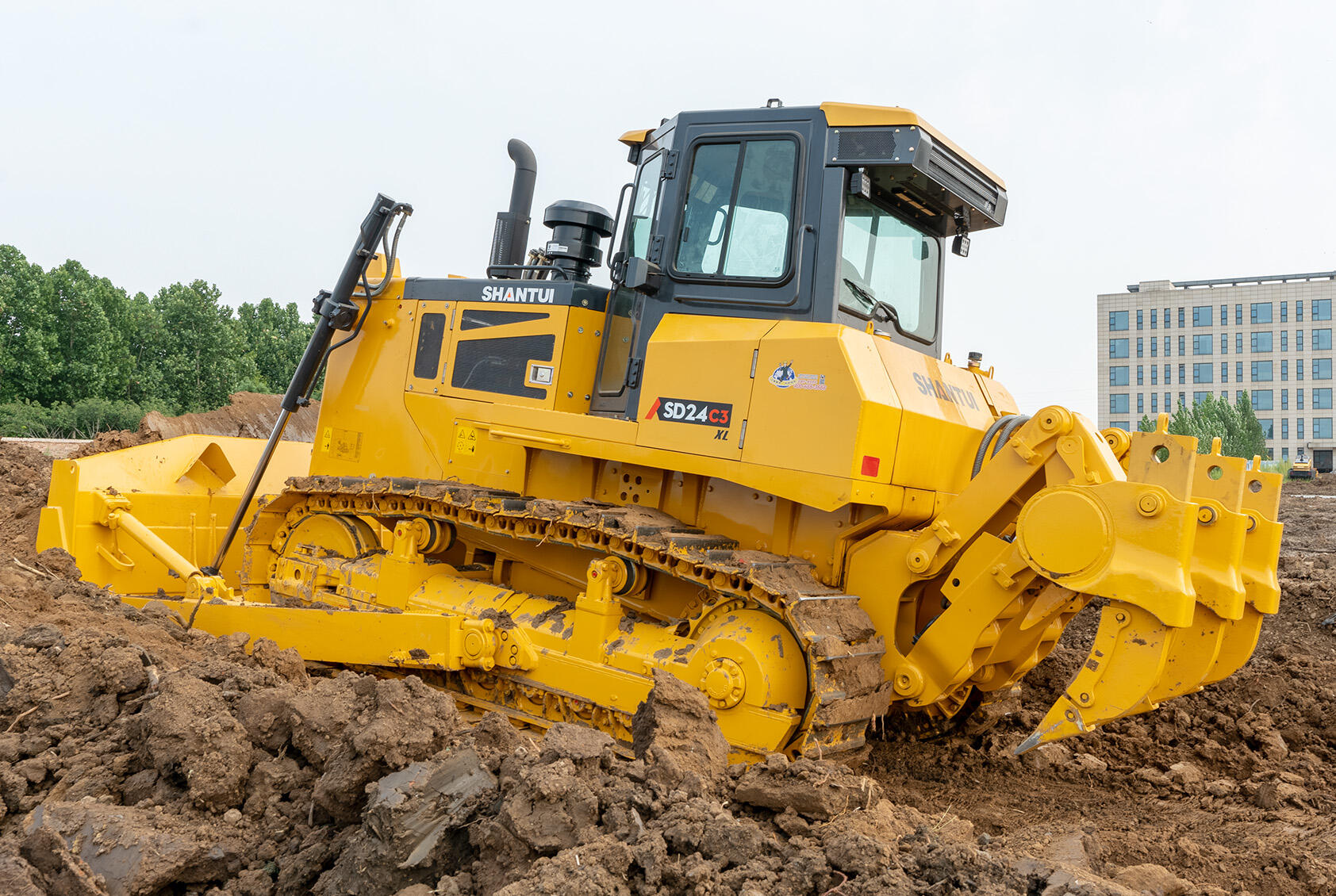
Once procurement requirements are clear, it is essential to evaluate the defining features that make a dozer for sale suitable for specific project demands. Three characteristics consistently drive performance, reliability, and operator satisfaction: engine power, blade capacity, and cabin design.
Powerful Engine Performance
The engine is the heart of any dozer for sale. High horsepower and torque allow the machine to push large volumes of soil or aggregate efficiently, even in challenging conditions. Modern dozers feature electronically managed engines that optimize fuel consumption while maintaining peak performance. A robust engine not only improves throughput but also supports auxiliary systems, such as hydraulic controls for blade articulation and ripper operation, without compromising overall efficiency.
High-Capacity Blade
The blade is the primary interface with the material. Dozers for sale often come with large-capacity push blades that can handle bulk earthmoving in a single pass. Blade geometry—whether straight, universal, or semi-universal—affects material retention, grading precision, and overall productivity. Wear-resistant cutting edges, replaceable bolt-on segments, and reinforced blade structures prolong service life, allowing continuous operation with minimal downtime. For sites that require versatility, the ability to swap blades or adjust blade angles ensures optimal performance across different soil types and applications.
Enclosed Operator Cabin
A sealed, climate-controlled cabin is critical for operator comfort and safety. Enclosed cabins reduce exposure to dust, noise, and extreme temperatures, while ergonomic controls and adjustable seating decrease fatigue during long shifts. Vibration isolation systems and advanced suspension seating further improve operator well-being, which directly translates to more precise grading and higher daily output. Many modern dozers also include integrated display panels for telematics, enabling real-time monitoring of engine parameters, fuel consumption, and maintenance alerts.
Additional features that distinguish premium dozers for sale include reinforced undercarriage components for high traction, modular attachments for site-specific requirements, and easy service access for rapid maintenance. Collectively, these design elements ensure that the machine delivers predictable performance while lowering long-term operating costs.
Buyer's Selection Guidelines
Selecting the right dozer for sale requires a methodical approach. Procurement managers should consider the following criteria when narrowing down potential options:
-
1.
Power and Duty Class
-
Evaluate the machine’s engine power relative to expected workloads. Light-duty dozers (100–150 hp) suit small grading tasks and fine finish work, whereas medium to heavy-duty dozers (200–350+ hp) are necessary for large-scale earthmoving. Consider the continuous duty rating to ensure the machine can operate reliably under sustained load without overheating.
-
2.
Blade Size and Type
-
The selection of blade type should align with project objectives. Straight blades (S) excel at fine grading, universal blades (U) provide maximum material retention for bulk movement, and semi-universal blades (SU) balance the two. High-capacity blades improve productivity, but procurement managers should also ensure ease of replacement and availability of wear parts to minimize downtime.
-
3.
Undercarriage and Traction
-
A robust tracked undercarriage provides stability and distributes ground pressure. For soft or uneven terrain, wide-track options (LGP shoes) reduce soil compaction and improve flotation. Evaluate the quality of track chains, rollers, and sprockets, and confirm that replacement parts are readily available for your region.
-
4.
Cabin Comfort and Safety
-
An enclosed, ergonomically designed cabin improves operator performance. Key considerations include visibility, climate control, vibration isolation, noise reduction, and ease of control layout. Safety features such as ROPS/FOPS certification, emergency stop systems, and anti-slip steps are essential.
-
5.
Maintenance and Support
-
Assess serviceability, including access to engine components, blade replacement, and undercarriage maintenance. Telematics integration provides predictive maintenance alerts and monitors key operating parameters. Ensure that the dozer for sale is backed by a responsive dealer network with reliable parts supply.
-
6.
Fuel
-
Efficiency and Lifecycle Cost
-
High engine efficiency and low rolling resistance contribute to lower fuel consumption. Combine these with predictable maintenance costs and robust component life to model the total cost of ownership. Evaluating the TCO over the expected service life provides a realistic picture of long-term project expenses.
-
7.
Site Adaptability
-
Consider modular options such as wide tracks, variable blade attachments, and quick-change rippers. Machines that adapt to seasonal or site-specific conditions reduce the need for multiple units and improve fleet utilization.
-
8.
Technology and Automation
-
Modern dozers may include semi-automated blade controls, grade guidance, and integrated telematics. These features increase per-hour volume, reduce operator error, and allow for proactive maintenance planning, delivering measurable efficiency improvements on large projects.
By scoring potential dozers across these parameters, procurement managers can shortlist units that balance power, productivity, comfort, and total cost, ensuring a high-return investment.
Summary and Final Considerations
Choosing the right dozer for sale is a strategic decision that impacts productivity, safety, and project economics. Procurement managers must consider the unique requirements of their projects, including workload, terrain, and environmental conditions, to select machines that deliver consistent, high-volume performance.
Key features to prioritize include a powerful engine for sustained operations, a large-capacity push blade for maximum material movement, and an enclosed operator cabin for safety and comfort. Complementary aspects such as robust undercarriage design, modular attachments, and easy maintenance access ensure that the machine can operate reliably under diverse conditions while minimizing downtime.
Total cost of ownership is a critical factor. Fuel efficiency, component longevity, and ease of service all contribute to the overall financial performance of a dozer for sale. Integrating telematics and predictive maintenance systems further enhances uptime and reduces operational risk.
Ultimately, a disciplined evaluation framework, aligned with project requirements, ensures that procurement managers select dozers for sale that provide the optimal balance of productivity, reliability, and long-term value. With careful selection, these machines become not just construction equipment but strategic assets that support project success and reinforce the company’s competitive position in the marketplace.