
 EN
EN
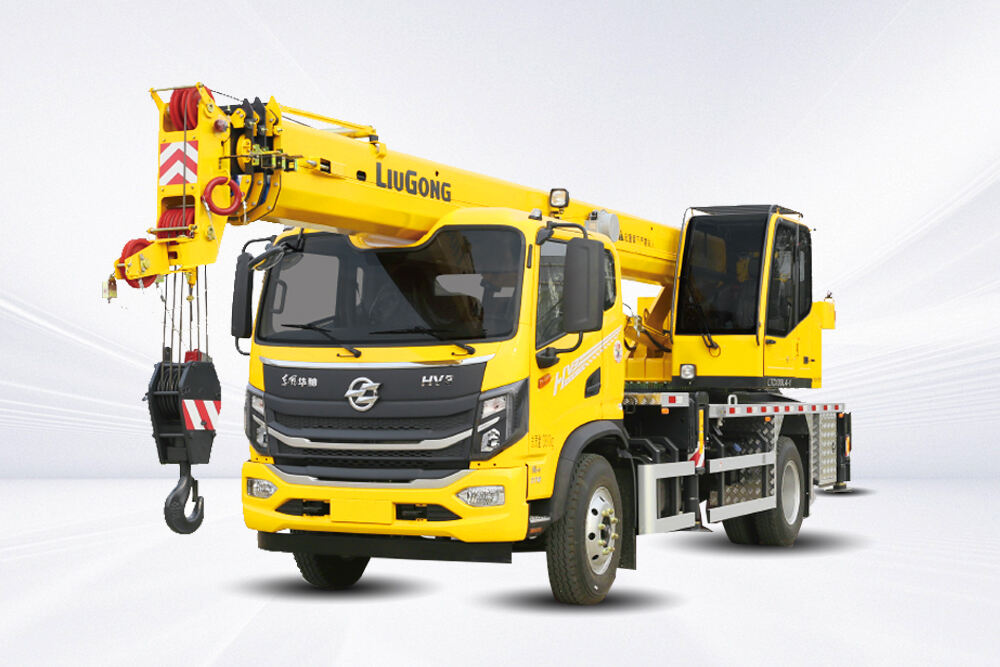
When selecting the optimal truck crane for cross-country operations, mobility becomes the defining factor that separates effective equipment from costly operational bottlenecks. Cross-country operations demand a truck crane configuration that balances travel efficiency, terrain adaptability, and operational versatility across diverse geographic conditions. The choice between different truck crane types directly impacts project timelines, fuel costs, and equipment utilization rates in long-distance deployment scenarios.
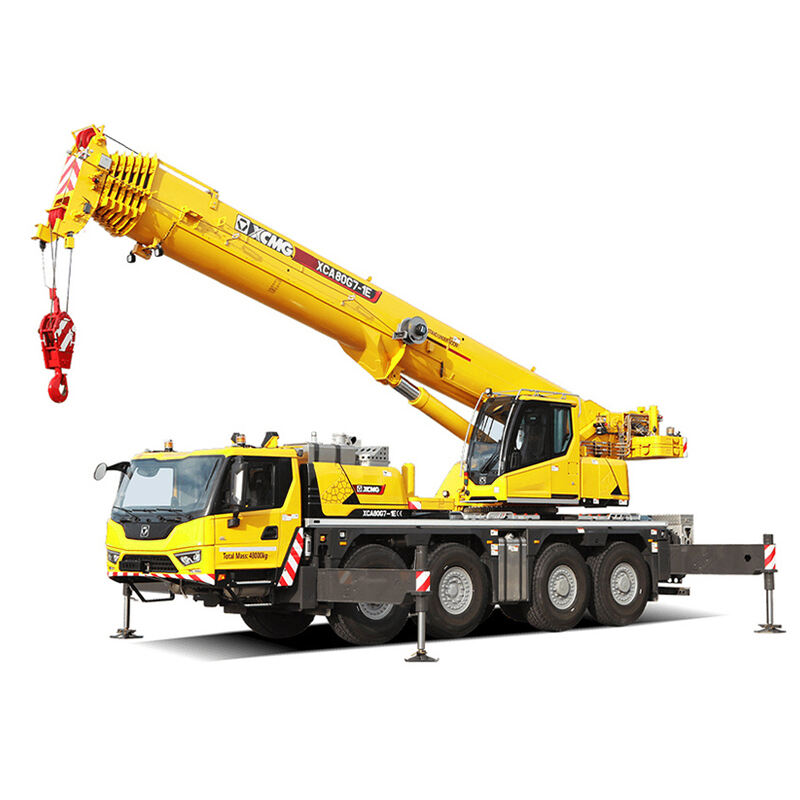
The all-terrain crane emerges as the superior choice for cross-country mobility due to its unique combination of highway travel capabilities and off-road performance characteristics. Unlike traditional truck cranes that excel in specific environments, all-terrain models provide the operational flexibility required for projects spanning multiple states or regions with varying infrastructure conditions. This mobility advantage translates into reduced transportation costs, faster deployment times, and enhanced project scheduling flexibility across diverse operational theaters.
All-Terrain Crane Mobility Advantages
Highway Performance Characteristics
All-terrain truck crane models deliver exceptional highway mobility through their advanced drivetrain systems and optimized weight distribution. These cranes maintain highway speeds of 60-75 mph while carrying full counterweight configurations, enabling rapid transit between job sites without requiring additional transport vehicles. The integrated axle design distributes crane weight evenly across multiple points, reducing road surface impact and allowing passage through weight-restricted bridge systems commonly encountered in cross-country routes.
The aerodynamic profile of modern all-terrain truck crane designs reduces wind resistance during highway travel, improving fuel efficiency by 15-20% compared to traditional rough terrain alternatives. This fuel economy advantage becomes particularly significant during long-distance deployments where fuel costs can represent 25-30% of total operational expenses. Advanced transmission systems provide seamless gear transitions and maintain optimal engine performance across varying terrain grades and weather conditions.
Highway stability systems integrated into all-terrain truck crane platforms include active suspension management and electronic stability control features that maintain safe operation at highway speeds. These systems automatically adjust suspension firmness and wheel alignment to compensate for crosswinds, road surface irregularities, and load shifting during transit. The result is consistent handling performance that reduces operator fatigue and maintains schedule adherence during extended travel periods.
Off-Road Capability Assessment
Cross-country operations frequently require accessing remote job sites through unpaved roads, construction zones, and temporary access routes where standard truck crane configurations struggle to maintain mobility. All-terrain models feature differential lock systems and traction control technologies that enable operation on loose gravel, muddy conditions, and moderate grade inclines without requiring additional ground preparation or support equipment.
The ground pressure distribution of all-terrain truck crane designs typically ranges from 12-16 PSI across all axles, allowing operation on softer ground conditions that would immobilize conventional highway-focused crane trucks. This low ground pressure characteristic proves essential when accessing construction sites during wet weather conditions or in regions with clay-based soil compositions that become unstable under heavy equipment loads.
Advanced traction management systems monitor individual wheel performance and automatically redistribute power to maintain forward momentum on challenging terrain. These systems integrate with the crane's overall hydraulic network to provide coordinated performance between travel and lifting functions, ensuring operational readiness upon arrival at remote job sites without requiring extensive positioning or preparation procedures.
Rough Terrain Crane Limitations
Highway Travel Restrictions
Rough terrain truck crane models face significant mobility limitations during cross-country operations due to their specialized design focus on job site maneuverability rather than long-distance travel efficiency. These cranes typically require speed restrictions of 25-35 mph on highways, dramatically extending travel times and creating scheduling complications for multi-site projects spanning large geographic areas.
The oscillating axle systems that provide rough terrain cranes with superior job site mobility create instability issues during sustained highway operation. These axles, designed to maintain ground contact on uneven surfaces, produce unwanted movement and vibration at highway speeds that stress mechanical components and create operator discomfort during long-distance transit. Extended highway operation can lead to premature wear on oscillating axle components and require more frequent maintenance intervals.
Weight distribution characteristics of rough terrain truck crane designs often exceed axle loading limits on highways, requiring special permits or load redistribution measures that complicate cross-country travel logistics. The concentrated weight placement necessary for job site stability translates into highway compliance challenges that add administrative overhead and potential route restrictions to long-distance deployment operations.
Fuel Efficiency Considerations
Rough terrain crane engines optimize for high torque output at low speeds rather than fuel-efficient highway cruising, resulting in fuel consumption rates 30-40% higher than all-terrain alternatives during cross-country travel. This fuel penalty compounds over long distances and multiple deployments, significantly impacting operational cost structures for companies managing geographically distributed projects.
The aerodynamic profile of rough terrain truck crane configurations creates substantial wind resistance that further degrades fuel efficiency during highway operation. Large tire assemblies, exposed hydraulic components, and angular body designs increase drag coefficients and force engines to work harder at sustained speeds, resulting in higher fuel consumption and reduced operational range between refueling stops.
Truck-Mounted Crane Highway Optimization
Speed and Efficiency Metrics
Standard truck-mounted crane configurations excel in highway mobility through their optimized chassis designs and conventional truck-based platforms that maintain normal traffic speeds without operational restrictions. These units can sustain 70+ mph highway speeds while maintaining fuel efficiency comparable to commercial trucking operations, making them ideal for rapid deployment across extensive geographic territories.
The weight distribution of truck-mounted crane systems follows standard commercial vehicle patterns that comply with highway regulations without requiring special permits or route restrictions. This compliance advantage eliminates administrative delays and allows flexible routing through urban areas, interstate systems, and weight-restricted infrastructure commonly encountered during cross-country operations.
Fuel consumption rates for highway-optimized truck crane configurations typically range from 6-8 miles per gallon during highway operation, representing a 40-50% efficiency advantage over rough terrain alternatives. This fuel economy translates into extended operational range and reduced refueling requirements during long-distance deployments, improving project scheduling flexibility and reducing logistical complexity.
Terrain Adaptability Limitations
While truck-mounted cranes provide superior highway mobility, their effectiveness diminishes significantly when cross-country operations require accessing job sites through challenging terrain conditions. Standard truck chassis configurations lack the ground clearance, traction systems, and structural reinforcement necessary for reliable operation on unpaved roads, steep grades, or soft ground conditions.
The single-axle drive configuration common in truck-mounted crane designs limits traction capability and creates mobility challenges in mud, snow, or loose surface conditions frequently encountered at remote construction sites. These limitations often require additional support equipment or site preparation measures that offset the highway mobility advantages and increase overall project deployment costs.
Ground pressure characteristics of standard truck crane tires and axle configurations can exceed safe limits for operation on soft or sensitive ground surfaces, potentially causing site damage or equipment immobilization. This limitation restricts access to environmentally sensitive areas or projects with strict ground protection requirements commonly encountered in cross-country infrastructure development.
Operational Range and Logistics
Fuel Capacity and Range Analysis
Cross-country truck crane operations require careful analysis of fuel capacity and operational range to ensure reliable deployment across extensive geographic territories without frequent refueling stops. All-terrain crane models typically feature 100-150 gallon fuel tanks that provide 600-900 mile operational range during highway travel, enabling direct transit between major metropolitan areas without intermediate fuel stops.
The operational range calculation must account for varying fuel consumption rates between highway and job site operation modes, as crane work typically consumes 3-5 gallons per hour during active lifting operations. Extended job site operations can reduce available fuel for return travel, requiring careful fuel management planning to maintain operational flexibility throughout cross-country deployment cycles.
Fuel capacity advantages become particularly important when operating in remote regions with limited refueling infrastructure or when project schedules require continuous operation without extended downtime for logistics support. Advanced fuel management systems monitor consumption rates and provide range calculations that help operators optimize travel routes and refueling strategies for maximum operational efficiency.
Maintenance Accessibility
Cross-country truck crane operations expose equipment to diverse operating conditions that accelerate wear patterns and increase maintenance requirements compared to localized deployment scenarios. All-terrain models benefit from standardized component designs and widespread service network availability that simplifies maintenance logistics during extended deployments across multiple regions.
The modular design approach common in all-terrain truck crane systems allows for field replacement of critical components using standard tools and readily available parts. This maintenance accessibility reduces downtime during cross-country operations and eliminates the need for specialized service teams or extended equipment transportation to centralized repair facilities.
Preventive maintenance scheduling becomes critical during cross-country operations to avoid unexpected breakdowns in remote locations where service support may be limited. Modern truck crane designs incorporate diagnostic systems that monitor component performance and provide early warning indicators for maintenance requirements, allowing operators to schedule service interventions during planned downtime rather than experiencing unexpected operational interruptions.
FAQ
What makes all-terrain cranes better for cross-country mobility than other truck crane types?
All-terrain cranes combine highway travel capabilities with off-road performance, featuring advanced drivetrains that maintain 60-75 mph highway speeds while providing differential lock systems and low ground pressure distribution for accessing remote job sites. This dual capability eliminates the need for separate transport vehicles and reduces deployment complexity during cross-country operations.
How does fuel efficiency compare between different truck crane types during long-distance travel?
All-terrain truck cranes achieve 15-20% better fuel efficiency than rough terrain alternatives during highway travel due to aerodynamic designs and optimized transmission systems. Highway-optimized truck-mounted cranes provide the best fuel economy at 6-8 mpg, while rough terrain models consume 30-40% more fuel due to high-torque engines and poor aerodynamics designed for job site rather than travel performance.
What operational range can be expected from truck cranes during cross-country deployments?
Most all-terrain truck cranes provide 600-900 mile operational range with standard 100-150 gallon fuel tanks during highway travel. However, operators must account for job site fuel consumption of 3-5 gallons per hour during active lifting operations, which reduces available fuel for return travel and requires careful fuel management planning throughout deployment cycles.
Are there highway restrictions that affect truck crane cross-country mobility?
All-terrain and truck-mounted cranes typically comply with standard highway weight and dimension regulations without requiring special permits. However, rough terrain cranes often exceed axle loading limits and require speed restrictions of 25-35 mph, creating scheduling complications and administrative overhead that complicates cross-country travel logistics and route planning flexibility.
Table of Contents
- All-Terrain Crane Mobility Advantages
- Rough Terrain Crane Limitations
- Truck-Mounted Crane Highway Optimization
- Operational Range and Logistics
-
FAQ
- What makes all-terrain cranes better for cross-country mobility than other truck crane types?
- How does fuel efficiency compare between different truck crane types during long-distance travel?
- What operational range can be expected from truck cranes during cross-country deployments?
- Are there highway restrictions that affect truck crane cross-country mobility?