
 EN
EN
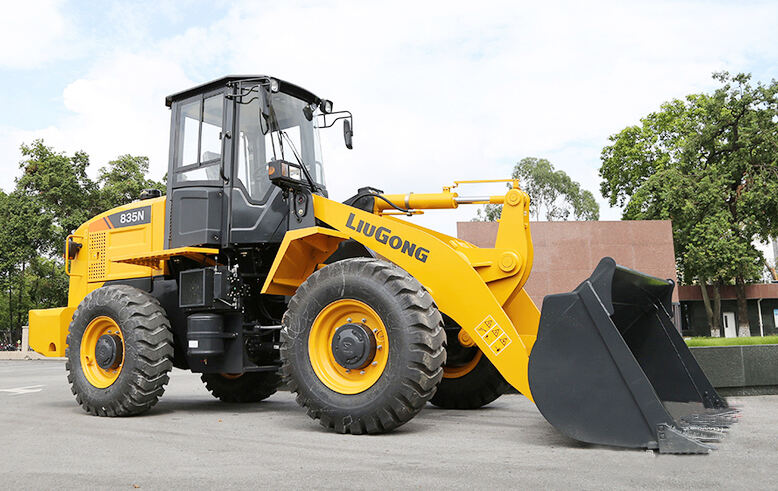
Operating a wheeled loader safely requires systematic pre-operation safety checks that can prevent accidents, equipment damage, and costly downtime. These essential safety inspections form the foundation of responsible heavy equipment operation and are mandated by workplace safety regulations worldwide. Professional operators understand that thorough pre-operational checks for a wheeled loader are not merely routine tasks but critical safety protocols that protect both the operator and surrounding personnel.
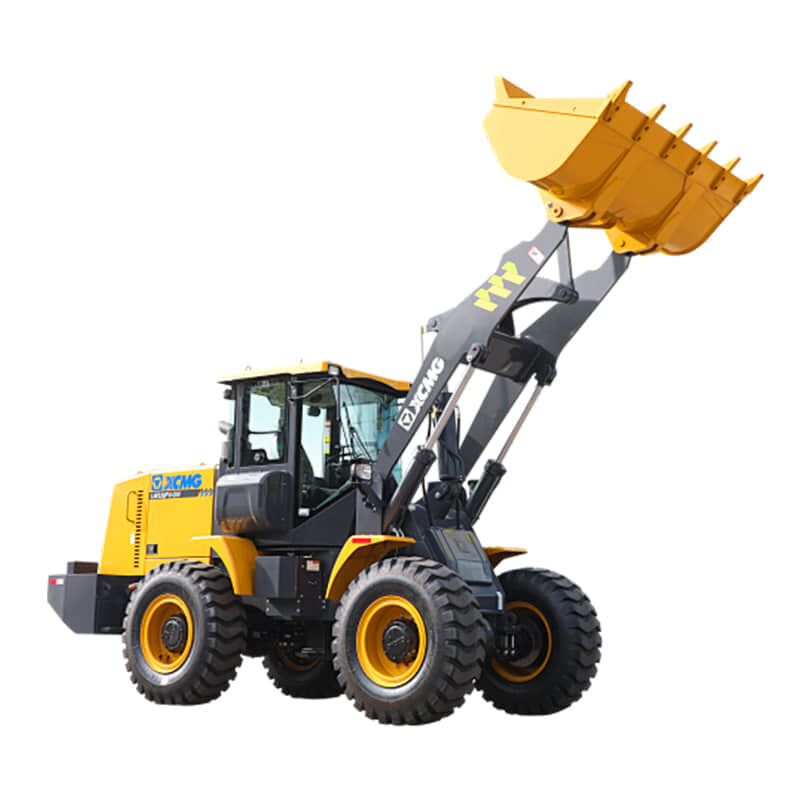
Before starting any wheeled loader, operators must complete a comprehensive series of visual inspections, fluid checks, and functional tests. These safety protocols have been developed through decades of industry experience and regulatory oversight, ensuring that every wheeled loader operates within safe parameters. The consequences of skipping these essential checks can range from minor equipment malfunctions to catastrophic failures that endanger lives and result in significant financial losses.
Visual Inspection Protocol for Wheeled Loader Safety
Exterior Structure Assessment
Begin the safety check process by conducting a thorough walk-around inspection of the entire wheeled loader. Examine the machine's structural integrity, looking for visible cracks, dents, or damage to the frame, boom, and bucket assembly. Pay particular attention to weld joints and connection points, as these areas experience the highest stress during operation. Check for loose or missing bolts, damaged hydraulic lines, and any signs of metal fatigue that could compromise the wheeled loader's structural safety.
Inspect the bucket and cutting edge for excessive wear, damage, or improper attachment. A damaged bucket on a wheeled loader can fail during operation, creating serious safety hazards. Verify that all bucket pins and bushings are properly secured and show no signs of excessive wear. Look for bent or cracked bucket components that could affect the machine's stability or operational effectiveness.
Examine the counterweight and rear frame assembly for any signs of damage or loose components. The counterweight is crucial for maintaining the wheeled loader's stability during lifting operations, and any compromise to this component can result in dangerous tipping conditions. Check all access panels and covers to ensure they are properly secured and not damaged.
Tire and Undercarriage Evaluation
Tire condition directly impacts the safety and performance of any wheeled loader. Inspect each tire for proper inflation pressure according to manufacturer specifications. Under-inflated tires can cause instability, increased fuel consumption, and premature tire failure, while over-inflated tires reduce traction and increase the risk of blowouts. Check the tire pressure using an accurate gauge, and ensure all tires are inflated to the same pressure levels.
Examine tire tread depth and pattern for even wear characteristics. Uneven tire wear on a wheeled loader often indicates alignment problems, improper inflation, or mechanical issues that require immediate attention. Look for cuts, punctures, or embedded objects that could cause sudden tire failure during operation. Pay special attention to sidewall condition, as sidewall damage can lead to catastrophic tire failure.
Inspect wheel rims for damage, proper mounting, and secure lug nut torque. Loose wheel components on a wheeled loader can result in wheel separation and loss of control. Check for signs of rim damage such as cracks, bends, or corrosion that could affect tire seating or structural integrity. Verify that all wheel components are clean and free from excessive mud or debris buildup.
Fluid Level and Quality Verification
Engine Oil and Coolant Systems
Engine oil condition and level are critical for safe wheeled loader operation. Check the oil level using the dipstick when the engine is cold and the machine is on level ground. The oil level should be between the minimum and maximum marks, and the oil should appear clean and free from contamination. Dark, thick, or contaminated oil can indicate engine problems that require immediate attention before operating the wheeled loader.
Inspect the engine oil for signs of coolant contamination, which appears as a milky or foamy consistency. This condition indicates a serious engine problem that could result in catastrophic failure if the wheeled loader is operated. Check for metal particles or excessive debris in the oil, which can signal internal engine wear or damage requiring professional evaluation.
Verify coolant level and condition in both the radiator and overflow reservoir. The cooling system maintains proper operating temperature for the wheeled loader engine, and insufficient coolant can lead to overheating and severe engine damage. Check for proper coolant mixture concentration and look for signs of contamination, oil presence, or excessive rust and corrosion in the cooling system.
Hydraulic and Transmission Fluids
Hydraulic fluid level and condition directly affect the safety and functionality of a wheeled loader. Check the hydraulic reservoir when the machine is at operating temperature and all cylinders are retracted. The fluid level should be within the specified range, and the fluid should appear clean and free from contamination. Contaminated hydraulic fluid can cause system failure, erratic operation, and potential safety hazards.
Examine the hydraulic fluid for proper color and consistency. Clean hydraulic fluid typically appears amber or light brown, while dark, thick, or contaminated fluid indicates the need for immediate service. Look for signs of water contamination, which can appear as cloudy or milky fluid, and can cause severe damage to hydraulic components in a wheeled loader.
Check transmission fluid level and condition according to manufacturer procedures. Transmission fluid maintains proper gear engagement and cooling for the wheeled loader drivetrain. Low fluid levels can cause transmission damage, while contaminated fluid can result in poor shifting performance and potential transmission failure during operation.
Control System and Safety Device Testing
Operator Controls and Instruments
Test all operator controls before starting the wheeled loader engine. Verify that the steering wheel operates smoothly without excessive play or binding, and that all hydraulic control levers move freely through their full range of motion. Check that all controls return to neutral position when released, as malfunctioning controls can create dangerous operating conditions for the wheeled loader.
Inspect the operator's seat for proper adjustment, secure mounting, and functioning seatbelt. The seat should adjust to provide proper reach to all controls and clear visibility of the working area. Verify that the seatbelt is in good condition and functions properly, as operator restraint is crucial for wheeled loader safety. Check seat suspension and cushioning for adequate support and comfort during extended operation periods.
Examine all gauges, warning lights, and display systems in the operator's station. These instruments provide critical information about wheeled loader operating conditions and potential problems. Verify that all gauge readings are within normal ranges and that warning systems function properly during the pre-start sequence.
Safety Systems and Emergency Equipment
Test the parking brake system to ensure it engages properly and holds the wheeled loader securely on slopes. A malfunctioning parking brake creates serious safety risks, particularly when loading trucks or operating on inclined surfaces. Verify that the brake pedal has proper feel and travel, and that service brakes respond appropriately without excessive pedal pressure or travel.
Inspect all safety equipment including backup alarms, rotating beacons, and work lights. These safety devices alert other personnel to wheeled loader operation and improve visibility during low-light conditions. Check that all lights function properly, including headlights, work lights, and warning beacons. Verify that the backup alarm operates at appropriate volume levels and can be heard over ambient noise.
Examine fire suppression equipment if installed on the wheeled loader. Check that fire extinguishers are properly charged, easily accessible, and have current inspection tags. Verify that all fire suppression systems are functional and that operators are trained in their proper use. Inspect engine compartment fire detection and suppression systems according to manufacturer specifications.
Pre-Start Engine and System Checks
Fuel System and Air Filtration
Check fuel level and fuel quality before operating the wheeled loader. Adequate fuel supply prevents unexpected shutdowns during critical operations, while contaminated fuel can cause engine damage and performance problems. Inspect fuel caps and tank venting systems to ensure proper operation and prevent pressure buildup or vacuum conditions that could affect fuel delivery.
Examine the fuel system for leaks, damaged lines, or loose connections. Fuel leaks create serious fire hazards and environmental concerns that must be addressed before operating the wheeled loader. Check fuel filters and water separators for contamination, and verify that all fuel system components are properly secured and functioning correctly.
Inspect air filtration systems including the primary and secondary air filters. Clean air supply is essential for proper engine combustion and longevity in a wheeled loader. Check air filter restriction indicators and replace filters according to maintenance schedules or when restriction limits are exceeded. Examine air intake ducting for damage or loose connections that could allow unfiltered air to enter the engine.
Battery and Electrical Systems
Check battery condition, terminal connections, and electrolyte levels if applicable. Clean, tight battery connections ensure reliable starting and proper electrical system operation for the wheeled loader. Inspect battery terminals for corrosion, loose connections, or damage that could cause starting problems or electrical failures during operation.
Test the charging system by checking alternator output and battery voltage during engine operation. A malfunctioning charging system can result in electrical system failure and unexpected shutdown of the wheeled loader. Verify that all electrical connections are secure and that wiring harnesses show no signs of damage, chafing, or deterioration.
Examine all electrical safety systems including engine shutdown mechanisms, overheating protection, and hydraulic pressure monitoring. These systems protect the wheeled loader from damage and ensure safe operation under various conditions. Test emergency shutdown systems to verify they function properly and can safely stop the machine when activated.
FAQ
How often should I perform safety checks on my wheeled loader?
Safety checks should be performed before each operating shift or at minimum daily when the wheeled loader is in regular use. Additionally, conduct more comprehensive weekly inspections that include detailed examination of hydraulic systems, structural components, and safety equipment. Monthly inspections should involve certified technicians for in-depth system evaluations and preventive maintenance procedures.
What should I do if I discover a safety issue during my pre-operation check?
Immediately cease all operation of the wheeled loader and report the safety issue to your supervisor or maintenance department. Tag the machine as out of service until qualified technicians can evaluate and repair the problem. Never attempt to operate a wheeled loader with known safety defects, as this creates serious liability and endangers personnel safety.
Are there specific safety check requirements for different wheeled loader applications?
Yes, different applications may require additional safety checks beyond standard protocols. Mining operations often require spark arrestor inspection and dust suppression system verification. Demolition work may need additional structural inspections and debris clearing checks. Construction sites might require specific lighting and communication system verifications for the wheeled loader operation.
How can I ensure my safety check procedures meet regulatory compliance?
Consult local OSHA regulations, manufacturer guidelines, and industry safety standards for your specific wheeled loader model and application. Maintain detailed inspection logs and documentation of all safety checks performed. Provide regular training for all operators on proper inspection procedures and ensure that safety check protocols are updated as regulations change or equipment is modified.