
 EN
EN
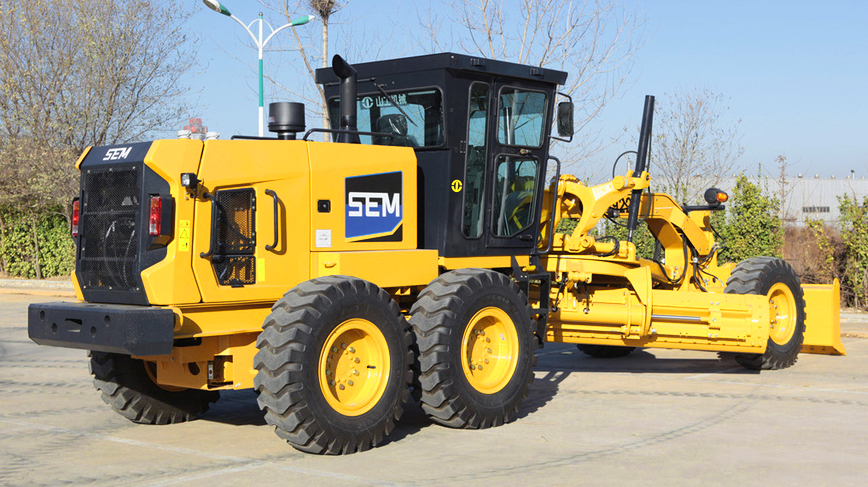
Proper maintenance of your motor grader is critical to maintaining blade performance and extending equipment lifespan. The blade is the core component that directly impacts grading quality, safety, and operational efficiency on every job site. A well-maintained motor grader blade ensures consistent results, reduces unexpected downtime, and protects your investment in heavy machinery. Regular inspection and preventive care routines transform a motor grader from a liability into a reliable asset that delivers year after year.
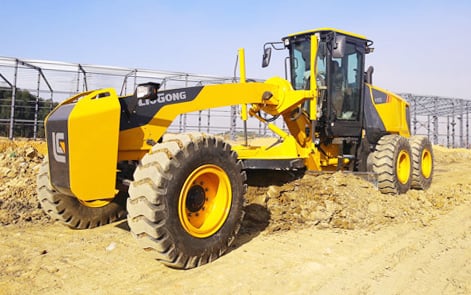
Understanding which motor grader maintenance tasks matter most will help you build a systematic approach to equipment care. By addressing blade wear, hydraulic function, and alignment issues proactively, you avoid costly repairs and keep your motor grader operating at peak efficiency. This guide covers the essential routine maintenance tasks that operators and fleet managers should prioritize to maintain blade condition and overall motor grader performance.
Blade Inspection and Replacement Protocols
Regular Blade Wear Assessment
Your motor grader blade experiences constant wear from soil contact, abrasive materials, and repeated cutting cycles. Inspecting blade thickness, edge sharpness, and structural integrity should happen weekly on active job sites. A motor grader blade that has worn below the manufacturer's minimum thickness loses grading precision and requires greater hydraulic pressure to operate, which stresses the entire system. Document blade measurements using a caliper or ruler to track wear progression and establish replacement schedules based on actual data rather than guesswork.
Blade Edge Maintenance and Sharpening
A dull motor grader blade forces the motor grader engine to work harder, consuming more fuel and reducing operator control. Sharp edges cut cleanly through soil and aggregate, while dull edges drag and compress material unevenly. Most operators sharpen the motor grader blade in-house using hand tools or portable grinding equipment before full replacement becomes necessary. The process involves carefully honing the cutting edge at the manufacturer's recommended angle—typically 25 to 35 degrees depending on the motor grader model and material being worked.
Hydraulic System and Blade Function Management
Hydraulic Fluid Level and Condition Checks
The motor grader's hydraulic system controls blade angle, lift, and side shift movements. Low or degraded hydraulic fluid directly affects blade responsiveness and positioning accuracy. Check hydraulic fluid levels daily before operation and inspect fluid color and clarity—dark discoloration or cloudiness indicates contamination or overheating. A motor grader with compromised hydraulic function cannot maintain proper blade geometry, resulting in uneven grading surfaces and increased wear patterns. Replace hydraulic filters at the intervals specified in your motor grader manual to prevent particulate damage to hydraulic cylinders.
Cylinder Rod and Seal Inspection
Hydraulic cylinders that control blade movement must be inspected monthly for external leaks, scoring on cylinder rods, and worn seals. A leaking motor grader blade cylinder loses pressure, forcing the blade to drift during grading operations. Inspect cylinder rod surfaces for deep scratches or corrosion that could compromise seal integrity. If a motor grader cylinder leaks hydraulic fluid, internal seals are failing and the cylinder requires rebuilding or replacement. Preventive seal maintenance includes keeping rods clean and protecting them from debris and UV exposure.
Structural Alignment and Fastener Management
Blade Frame and Attachment Point Security
The motor grader blade connects to the main frame through bolts, pins, and mounting brackets subjected to constant vibration and directional stress. Vibration gradually loosens fasteners, which if not addressed, can cause the blade to shift position or rattle excessively during operation. Inspect all bolts, nuts, and lock washers monthly and tighten any loose fasteners using the correct torque specifications for your motor grader model. A motor grader blade that sits slightly off-center produces uneven grading results and concentrates stress on specific areas of the moldboard.
Moldboard and Side Bit Wear
The moldboard is the curved surface of the motor grader blade that shapes material, while side bits are replaceable cutting extensions on either end. These components wear unevenly depending on material type and grading direction. Monthly visual inspections reveal which areas of the motor grader blade are experiencing excessive wear, signaling the need for component adjustment or replacement. Side bits on a motor grader can be replaced independently, making them economical wear items compared to full blade replacement. Uneven moldboard wear on your motor grader indicates potential alignment issues or improper operator technique that should be corrected to avoid premature failure.
Seasonal and Operational Readiness Tasks
Pre-Season Equipment Checkout
Before heavy-use seasons, conduct a complete motor grader inspection including blade measurement, hydraulic fluid analysis, and structural assessment. Replace worn components during off-season downtime rather than during peak grading schedules. A motor grader that receives thorough pre-season maintenance avoids failures that disrupt project timelines. Check tire condition, lights, and safety features while the motor grader is in the shop for blade evaluation.
Post-Project Cleaning and Storage
After completing a project, clean accumulated soil and debris from the motor grader blade to prevent corrosion during storage. Soil containing salt or acidic compounds accelerates rust formation on the moldboard and side bits. Park the motor grader on level ground with the blade in neutral position to prevent stress on hydraulic cylinders. If storing your motor grader for extended periods, drain hydraulic fluid if recommended by the manufacturer, or add corrosion inhibitors to fluid remaining in the system. This care extends blade life and reduces maintenance demands when the motor grader returns to active service.
FAQ
How often should I replace my motor grader blade?
Blade replacement frequency depends on material type, operational hours, and job conditions. A motor grader used primarily on gravel roads may require blade replacement every 500–1000 hours, while a motor grader working on asphalt or rocky terrain may need replacement every 200–400 hours. Monitor blade thickness weekly and schedule replacement when wear reaches the manufacturer's minimum thickness threshold. Tracking actual replacement intervals for your motor grader helps establish accurate maintenance budgets and prevents unexpected downtime.
What causes uneven blade wear on a motor grader?
Uneven wear on your motor grader blade typically results from misalignment between the blade and frame, improper operator technique, or working on severely sloped terrain. A motor grader blade that is not perpendicular to the direction of travel wears one side significantly faster than the other. Inspect the mounting points and bolts regularly, and provide operator training to ensure consistent blade angle during grading. Material composition also affects wear patterns—rocky or abrasive soils wear a motor grader blade faster on specific contact surfaces.
Can I sharpen a motor grader blade myself?
Yes, sharpening a motor grader blade in-house is cost-effective and commonly performed by operators and maintenance crews. Use a hand file, angle grinder, or portable grinding attachment to carefully hone the cutting edge at the correct angle for your motor grader model. Always disconnect the motor grader from power sources and secure the blade before sharpening. Full blade replacement should be performed when wear becomes severe or when a motor grader blade is bent, cracked, or damaged beyond safe repair. Refer to your motor grader's service manual for recommended sharpening angles and procedures.