
 EN
EN

Hydraulic failures represent one of the most costly and disruptive issues facing operators who depend on truck crane equipment. When a truck crane experiences hydraulic failure, the consequences extend far beyond equipment downtime—projects stall, deadlines slip, and repair costs escalate rapidly. The good news is that most hydraulic failures in a truck crane are entirely preventable through structured, regular maintenance practices. Understanding how proper maintenance protocols protect your truck crane investment requires examining the relationship between fluid condition, component wear, and system reliability in modern hydraulic systems.
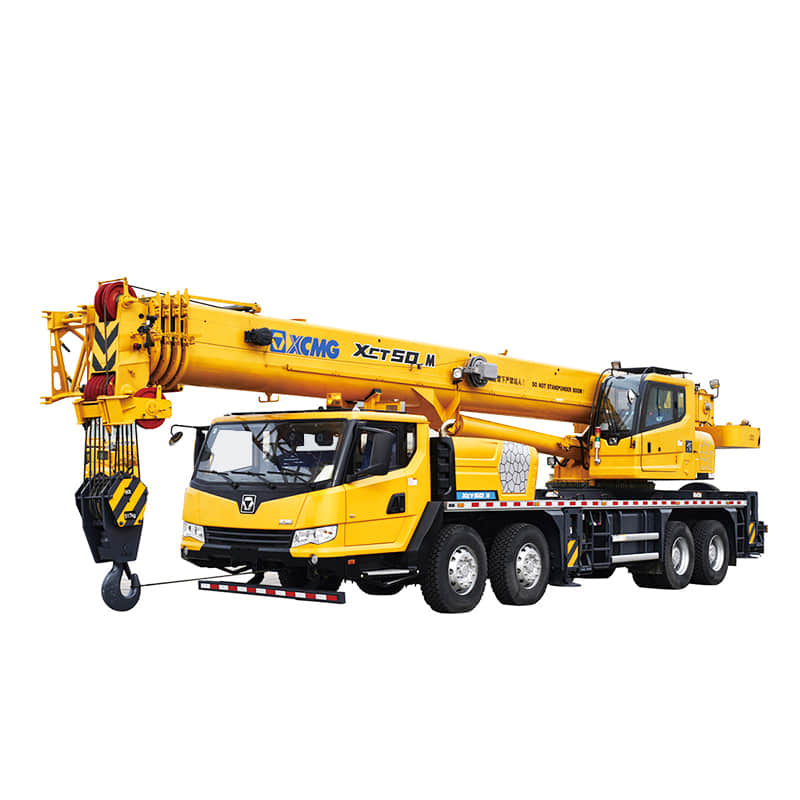
Your truck crane hydraulic system operates under extreme pressure, temperature fluctuations, and continuous mechanical stress. Each boom lift, each precise movement, and each load positioning demand perfect synchronization of hydraulic fluid, seals, pumps, cylinders, and control valves. When maintenance is neglected, contaminants accumulate, seals degrade, and fluid properties deteriorate—triggering a cascade of failures that compromise safety and productivity. By adopting preventive maintenance strategies, truck crane operators can eliminate the majority of hydraulic breakdowns before they occur, ensuring consistent performance and protecting both equipment and personnel.
Understanding Hydraulic System Degradation in Truck Crane Operations
How Contamination Damages Truck Crane Hydraulic Systems
Contamination is the primary cause of hydraulic failure in any truck crane system. Dust, moisture, metallic particles, and organic debris enter the hydraulic circuit through worn seals, uncovered fill ports, and damaged breather elements. A single truck crane operating in dusty construction environments can accumulate thousands of microscopic contaminants daily. These particles circulate through the pump, control valves, and cylinders, causing abrasive wear that gradually degrades component surfaces. Moisture contamination is equally destructive, promoting rust formation inside the truck crane's cylinder walls and corrosion of valve spools. Regular maintenance addresses contamination by implementing proper filtration, maintaining sealed hydraulic reservoirs, and replacing contaminated fluid before critical damage occurs.
Fluid Degradation and Its Role in Truck Crane Failure
Hydraulic fluid in a truck crane is not simply a medium for transmitting force—it is a complex chemical formulation engineered to maintain viscosity, lubricate components, dissipate heat, and protect against corrosion. Over time, the hydraulic fluid in your truck crane degrades due to oxidation, thermal stress, and shear forces. Oxidized fluid loses its protective properties, becomes thicker, and forms varnish deposits that clog passages and restrict flow in critical truck crane systems. Thermal cycling causes fluid to break down faster, particularly in truck cranes operating in extreme temperature environments. Maintenance prevents fluid degradation by establishing fluid change intervals based on operating hours, monitoring fluid condition with regular analysis, and using premium-grade fluids matched to your truck crane's specifications.
Core Maintenance Practices That Prevent Truck Crane Hydraulic Failures
Fluid Analysis and Change Schedules for Your Truck Crane
Implementing a structured fluid maintenance program is foundational to preventing truck crane hydraulic failures. A truck crane operating in severe service environments should have hydraulic fluid analyzed every 250 to 500 operating hours, checking for contamination levels, viscosity degradation, acid content, and water presence. Based on analysis results, fluid changes on your truck crane should occur every 1,000 to 2,000 operating hours, though aggressive use or contaminated conditions may require more frequent intervals. Before adding new fluid to your truck crane, the entire reservoir should be flushed, strainers cleaned, and all fill equipment verified clean. Documenting every fluid change and analysis result for your truck crane creates a historical record that guides maintenance planning and protects your operational efficiency.
Seal and Hose Inspection Protocols for Truck Crane Systems
Seals represent the boundary between controlled hydraulic circuits and the external environment in every truck crane. Deteriorating seals allow fluid to leak while simultaneously permitting contaminants to enter the system, accelerating hydraulic failure across your truck crane. A comprehensive truck crane maintenance plan includes quarterly visual inspection of all accessible seals, hoses, and connection points for signs of weeping, active leaks, discoloration, or brittleness. Any hose showing cracks, bulges, or abrasion damage should be replaced immediately on your truck crane, as these failures often lead to catastrophic fluid loss and loss of boom control. Preventive seal replacement in your truck crane should occur at manufacturer-recommended intervals or whenever fluid analysis indicates contamination is entering the system.
Pump and Valve Monitoring in Truck Crane Maintenance
The pump and control valves form the operational heart of any truck crane hydraulic system. Pump wear in your truck crane manifests as reduced pressure output, audible noise changes, or sluggish boom response. Regular maintenance includes monitoring pump noise and pressure readings during equipment operation, establishing baseline performance metrics for your truck crane from new equipment. If your truck crane's pump pressure begins dropping or noise levels increase, prompt fluid analysis and component inspection can identify wear before complete pump failure requires expensive replacement. Valve spools in a truck crane can become stuck due to varnish buildup or contamination, causing erratic boom control or unresponsive movements. Flushing your truck crane's hydraulic system with compatible cleaner fluid and replacing filters removes varnish before it causes valve malfunction.
Implementing Predictive and Preventive Maintenance for Truck Crane Reliability
Temperature Monitoring and Heat Management in Your Truck Crane
Operating temperature directly controls how quickly hydraulic fluid in your truck crane degrades and how efficiently seals function. A truck crane hydraulic system operating above 60 degrees Celsius experiences accelerated oxidation and reduced seal life. Modern truck crane equipment should be equipped with hydraulic fluid temperature monitoring, alerting operators when fluid reaches 55 degrees Celsius. If your truck crane routinely approaches temperature limits, maintenance priorities should include checking cooler effectiveness, verifying fan operation, ensuring fins are clean, and confirming coolant circulation. Installing supplemental cooling systems on truck cranes operating in hot climates or under heavy load significantly reduces fluid degradation and extends the maintenance intervals between full system services.
Establishing Preventive Maintenance Schedules for Truck Crane Equipment
Effective prevention requires documenting a formal maintenance calendar for your truck crane tied to operating hours rather than calendar time. Your truck crane should have fluid changes scheduled, filter replacements planned, seal inspection dates assigned, and cooler cleaning intervals established based on historical performance data. Daily pre-operation checks on your truck crane should include visual fluid level verification, leakage inspection, and boom response testing under light load. Monthly maintenance on your truck crane includes full system pressure verification, detailed seal inspection, fluid temperature observation, and filter element assessment. Quarterly deep maintenance on your truck crane encompasses comprehensive fluid analysis, seal replacement as needed, hose pressure testing, and complete reservoir cleaning. Adhering to this structured approach keeps your truck crane operating at peak performance while minimizing unplanned downtime caused by hydraulic failure.
FAQ
How often should I change hydraulic fluid in my truck crane?
Hydraulic fluid changes in a truck crane typically occur every 1,000 to 2,000 operating hours, depending on operating conditions and fluid analysis results. Severe service environments, where your truck crane operates in dusty or contaminated conditions, may require more frequent changes. Always follow your truck crane manufacturer's recommendations and use fluid analysis data to optimize your specific change schedule rather than following generic intervals.
What are warning signs that my truck crane hydraulic system is failing?
Common warning signs include slow or jerky boom movements on your truck crane, unusual noises from the pump or motor, visible leaks around seals and hoses, increased fluid temperature during operation, and reduced lifting capacity compared to normal truck crane performance. Address any of these symptoms immediately on your truck crane to prevent complete system failure and safety hazards.
Can preventive maintenance really prevent most truck crane hydraulic failures?
Yes, structured preventive maintenance prevents approximately 80 to 90 percent of hydraulic failures in truck crane equipment. By monitoring fluid condition, maintaining proper cleanliness, replacing worn components before failure, and managing system temperature, your truck crane stays reliable for years of productive operation while avoiding expensive repairs and dangerous downtime incidents.