
 EN

A road roller is one of the most critical pieces of compaction equipment on any construction or asphalt project. Before you start operating your road roller each day, conducting thorough pre-operation inspections is not just recommended—it is essential for safety, productivity, and equipment longevity. Neglecting these checks can lead to unexpected breakdowns, safety hazards, costly repairs, and project delays. Understanding what to inspect on your road roller and how to perform these checks systematically ensures that your machine operates at peak performance and protects both your workforce and your investment.
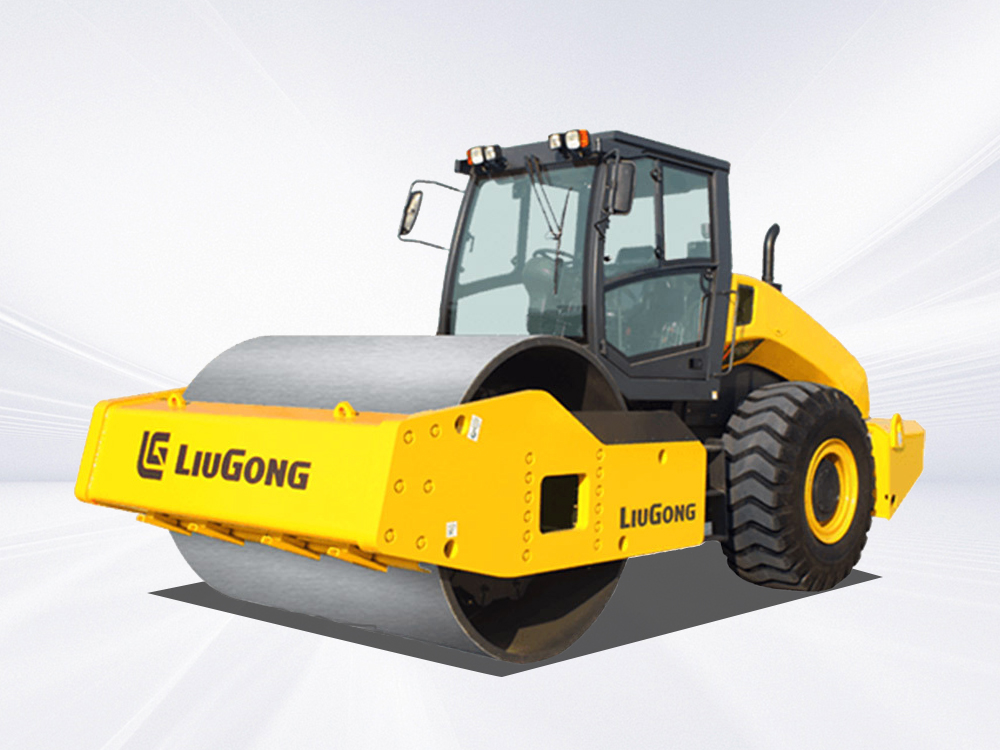
Every road roller operator should develop a consistent daily routine that includes visual inspections, fluid level checks, and functional testing. This proactive approach prevents mechanical failures during operation and identifies potential issues before they become serious problems. The time invested in pre-operation inspections on your road roller saves hours of downtime and significantly reduces repair expenses over the equipment's lifetime.
Engine and Fuel System Inspection
Checking Fuel and Engine Fluids
Before starting your road roller, verify that the fuel tank contains an adequate supply of clean diesel or gasoline, depending on your machine's engine type. Contaminated fuel can damage the engine and fuel injectors, so always use quality fuel from reliable sources. Check the engine oil level using the dipstick, ensuring it falls between the minimum and maximum marks. Your road roller's engine depends on proper lubrication to function correctly and prevent overheating. Additionally, inspect the coolant level in the radiator reservoir when the engine is cool, and verify that the coolant mixture is appropriate for your local climate conditions.
Visual Engine Examination
Examine the entire engine block and surrounding components for visible leaks, cracks, or loose connections. Look for oil, coolant, or fuel dripping beneath the road roller, as these indicate problems requiring immediate attention. Inspect all hoses and belts for signs of wear, fraying, or disconnection. A worn belt on your road roller can slip during operation, reducing efficiency and potentially causing the engine to overheat. Check that all engine covers and guards are properly secured and undamaged, protecting both the engine and the operator from contact with moving parts.
Hydraulic System and Vibration Mechanism
Hydraulic Fluid and Pressure Assessment
The hydraulic system is vital to your road roller's operation, controlling the compaction force and vibratory functions. Check the hydraulic fluid level in the reservoir, ensuring it meets the manufacturer's specifications on your road roller's sight gauge. Hydraulic fluid should appear clean and free from discoloration or cloudiness, which may indicate water contamination or oil degradation. Inspect all hydraulic hoses, connections, and fittings for leaks, swelling, or damage. Any leaking hydraulic fluid on your road roller not only reduces system performance but also creates environmental hazards and safety risks on the job site. Listen for unusual noises from the hydraulic pump when you start the engine, as grinding or whining sounds suggest internal problems requiring professional service.
Vibration System Functionality
The vibration mechanism distinguishes a road roller from basic compaction equipment, enabling efficient soil and asphalt compaction. Activate the vibration system while stationary and listen for smooth operation without grinding, rattling, or irregular sounds. If your road roller has adjustable vibration settings, test each mode to confirm that the system responds correctly to operator controls. Inspect the eccentric shaft, eccentric bearing, and connecting linkages for loose bolts, visible cracks, or excessive wear. These components experience tremendous stress on your road roller during each compaction cycle, and any weakness can rapidly escalate into catastrophic failure during operation.
Structural Components and Safety Systems
Drum and Tire Condition Assessment
The compaction drums are the primary working elements of your road roller, and their condition directly impacts compaction quality and equipment safety. Examine the drum surface for dents, cracks, bulges, or heavy corrosion that may compromise structural integrity. On a pneumatic-tired road roller, check tire pressure using an accurate gauge, as under-inflated or over-inflated tires reduce compaction efficiency and increase fuel consumption on your road roller. Inspect the tire tread for uneven wear patterns, cuts, or embedded debris. Uneven wear indicates alignment issues or improper load distribution on your road roller, requiring adjustment or repair before continued operation. Verify that the drums rotate freely by manually spinning them if the equipment allows, and listen for grinding sounds that suggest bearing problems.
Brake and Steering System Verification
Safety depends critically on reliable braking and steering systems throughout your road roller's operational life. Apply the service brake and parking brake to confirm they engage smoothly and hold the machine in position on a slight grade. Test the steering for responsiveness and ease of movement, ensuring that your road roller responds promptly to operator input without excessive play or resistance. Inspect brake fluid levels and hoses for leaks or damage, as brake system failure creates serious safety hazards. Check that all warning lights, backup alarms, and communication devices function properly on your road roller. These safety features alert other workers to your machine's movement, preventing accidents on congested construction sites.
Operator Comfort and Control Systems
Cabin and Visibility Inspection
The operator cabin shelters you from weather and provides controls for safe road roller management throughout your shift. Clean all windows and mirrors to ensure clear visibility of your machine's surroundings, reducing blind spot hazards. Inspect the cabin frame, doors, and emergency exit for damage or misalignment that may prevent safe escape if needed on your road roller. Test the heating and cooling systems to maintain operator comfort, as temperature extremes lead to fatigue and reduced concentration during long shifts. Verify that all grab handles and steps are secure and free from oil, grease, or debris that could cause slipping accidents when boarding your road roller.
Control Panel and Instrumentation Check
Your road roller's control panel provides essential information about engine performance, fluid levels, and system status during operation. Test all gauges, warning lights, and indicators to confirm they display accurate readings and illuminate properly. Verify that all control levers, switches, and buttons respond correctly to operator input without sticking or excessive force required on your road roller. Check that the hour meter records operating time accurately, helping you track maintenance intervals and equipment age. Ensure that the seat adjusts properly and securely fastens, preventing operator movement during vigorous compaction work on your road roller. A well-maintained control environment reduces fatigue and improves operator focus, contributing to safer, more efficient work.
Final Startup Procedure and Performance Verification
Cold Start and Engine Warm-Up
Begin engine startup gently, allowing the road roller to warm up for several minutes before engaging the compaction cycle. Cold engines operate less efficiently and may not respond normally to control inputs on your road roller, increasing accident risk. Monitor all gauges during warm-up, confirming that oil pressure rises to normal operating range, coolant temperature gradually increases, and no warning lights activate. If any unusual readings appear on your road roller's display, stop the engine immediately and investigate the cause before proceeding. This cautious approach prevents damage from running the machine under abnormal conditions and allows you to detect problems while they remain minor.
Operational System Testing
Once the engine reaches normal operating temperature, test all major systems while the road roller remains stationary or moving very slowly. Engage the vibration system, adjusting frequency if available, and confirm smooth operation without unusual vibration or noise transmitted to the cabin. Verify that the drive system responds smoothly to throttle input, accelerating and decelerating your road roller without hesitation or jerking. Test the hydraulic lift or dump functions if your road roller includes these features, confirming smooth, controlled movement throughout the full range of motion. Conduct this comprehensive testing before returning to the compaction site, ensuring that your road roller performs as expected when production demands peak efficiency.
FAQ
How often should I perform pre-operation inspections on my road roller?
You should conduct a complete pre-operation inspection on your road roller before each shift or daily use, taking approximately 15–20 minutes. This daily routine catches problems early when repairs remain simple and cost-effective. Additionally, perform more detailed inspections weekly and comprehensive maintenance checks monthly, following your manufacturer's recommendations and your road roller's service schedule. Keeping detailed inspection logs helps track component wear patterns and predicts when major maintenance or replacement will be needed.
What should I do if I discover a problem during pre-operation inspection of my road roller?
Never operate your road roller if you discover significant damage, fluid leaks, or system failures during pre-operation inspection. Document the problem with photographs and written descriptions, then report it immediately to your supervisor or equipment manager. Do not attempt repairs yourself unless you possess proper training and authorization; improper repairs on your road roller can create safety hazards and void warranty coverage. Contact qualified service technicians who specialize in compaction equipment to diagnose and repair issues on your road roller, ensuring the work meets manufacturer standards and safety regulations.
Can I skip some inspection steps if I'm running behind schedule?
No, you should never skip inspection steps on your road roller, even under time pressure. The few minutes invested in thorough pre-operation inspection prevent hours of downtime and potential safety incidents that delay your project far more severely. Skipping inspections increases breakdown risk, equipment damage costs, and injury potential, ultimately costing your organization far more than the time saved. Establish pre-operation inspection as a non-negotiable safety requirement on your road roller, communicating this expectation clearly to all operators and enforcing it consistently across all equipment on your site.