
 EN
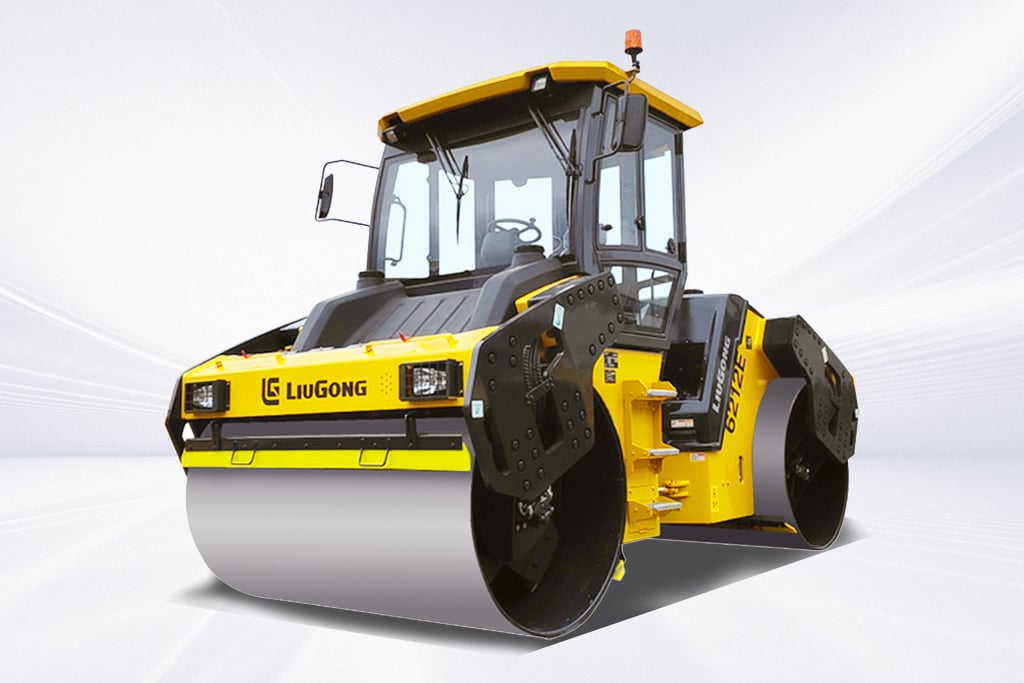
A road roller is an essential piece of heavy machinery used in construction and infrastructure development to compact soil, gravel, and asphalt surfaces. Understanding the different types of road rollers available in the market helps construction professionals select the right equipment for their specific project requirements. Each road roller type serves distinct purposes and operates through different compaction mechanisms, making it crucial for project managers and contractors to know which road roller best suits their work environment and material handling needs.

Modern road roller technology continues to evolve, offering contractors enhanced efficiency and better compaction results. Whether you operate a small commercial project or manage large-scale infrastructure development, knowing the characteristics and applications of each road roller type ensures optimal resource allocation and project success. This guide explores the primary road roller categories, their unique features, and the specific applications where each road roller delivers maximum value.
Vibratory Road Rollers for High-Efficiency Compaction
Single-Drum Vibratory Road Rollers
Single-drum vibratory road rollers feature one vibrating roller drum and two static rubber tires, making them ideal for finishing layers and precise surface preparation. This road roller type excels when contractors need flexibility and maneuverability on confined job sites. Single-drum road rollers generate significant compacting force through vibration, allowing operators to achieve consistent density on asphalt surfaces with fewer passes. The single-drum road roller configuration provides excellent steering control and reduces material waste on projects where accuracy matters most.
Tandem Vibratory Road Rollers
Tandem vibratory road rollers operate with two vibrating drums, one positioned at the front and one at the rear, delivering superior compaction performance across larger surface areas. This road roller design accelerates project timelines by covering more ground per pass compared to single-drum models. Tandem road rollers work exceptionally well on base course layers and main compaction phases where operators require maximum output. The dual-drum road roller configuration reduces operational costs by minimizing the number of passes needed to achieve target density specifications.
Static Road Rollers for Traditional Compaction Methods
Three-Wheel Static Road Rollers
Three-wheel static road rollers employ two front rubber tires and one static steel drum positioned at the rear, representing a traditional yet effective compaction approach. This road roller type works well for light to medium-duty applications where vibration may not be necessary. Three-wheel road rollers provide excellent traction and stability on slopes and uneven terrain, making them suitable for secondary road construction and maintenance projects. The static road roller mechanism relies on the weight and pressure of the drums rather than vibration.
Pneumatic-Tired Road Rollers
Pneumatic-tired road rollers feature multiple pneumatic tires instead of steel drums, compacting materials through pressure and tire kneading action rather than rolling force alone. This road roller type proves particularly valuable when working with asphalt mixes, as the tire kneading action closes surface voids while minimizing marking. Pneumatic road rollers reduce the risk of aggregate displacement and material damage common with heavier compaction methods. The road roller's tire-based design allows for smoother operation and better surface finish quality on final wearing courses.
Specialized Road Roller Applications and Industry Use Cases
Road Roller Usage in Asphalt Compaction
Asphalt compaction represents one of the most critical applications for road roller equipment across the paving industry. A road roller must achieve proper density and reduce voids in asphalt layers while maintaining surface smoothness and durability. Vibratory road rollers dominate asphalt compaction due to their ability to consolidate material efficiently at optimal temperature ranges. Choosing the appropriate road roller for asphalt ensures longer pavement life and reduces maintenance costs for road authorities and contractors.
Road Roller Performance in Soil and Base Layer Compaction
Soil compaction and base layer preparation form the foundation for any successful infrastructure project, where road roller selection directly impacts long-term structural integrity. Static road rollers often perform well for initial soil densification, while vibratory road rollers accelerate the compaction process significantly. A road roller operator must understand material type, moisture content, and lift thickness to select appropriate equipment. The right road roller deployed for soil applications reduces settlement risks and extends project lifespan.
Specialized Applications and Finishing Operations
Finishing layers and specialized compaction operations demand precision that specific road roller types uniquely provide. Single-drum vibratory road rollers and pneumatic-tired road rollers excel in these scenarios, where surface quality directly affects user experience and longevity. A road roller used for finishing work must minimize surface tearing and aggregate disturbance while achieving target density uniformly. Understanding when and how to deploy specialized road roller types separates professional contractors from less experienced operators.
FAQ
What factors determine which road roller type I should choose for my project?
Project selection for a road roller depends on multiple factors including material type, layer thickness, existing site conditions, timeline requirements, and budget constraints. Vibratory road rollers suit most general-purpose compaction tasks, while static road rollers work well for lighter applications or maintenance work. A thorough site assessment and consultation with equipment specialists help determine the ideal road roller for your specific needs. Consider material properties, desired compaction quality, and available equipment rental or purchase options when selecting your road roller.
Can one road roller type handle both asphalt and soil compaction effectively?
While some road roller models offer versatility for multiple material types, specialized equipment typically delivers superior results for specific applications. Vibratory road rollers work well for both asphalt and soil compaction, making them popular choices for mixed-application projects. However, a road roller optimized for one material type may not achieve ideal results with different substrates or layer thicknesses. Experienced contractors often deploy different road roller types at different project stages to maximize efficiency and quality.
How does a vibratory road roller compare to static road rollers in terms of efficiency?
Vibratory road rollers typically deliver superior compaction efficiency and reduce the number of passes required compared to static road rollers. A road roller with vibration capability can achieve target density specifications in fewer operational hours, lowering labor and fuel costs significantly. Static road rollers remain valuable for applications where vibration may cause material segregation or when operators need maximum steering control. The choice between vibratory and static road roller types ultimately depends on specific project requirements and material characteristics.