
 EN
EN
Case Background
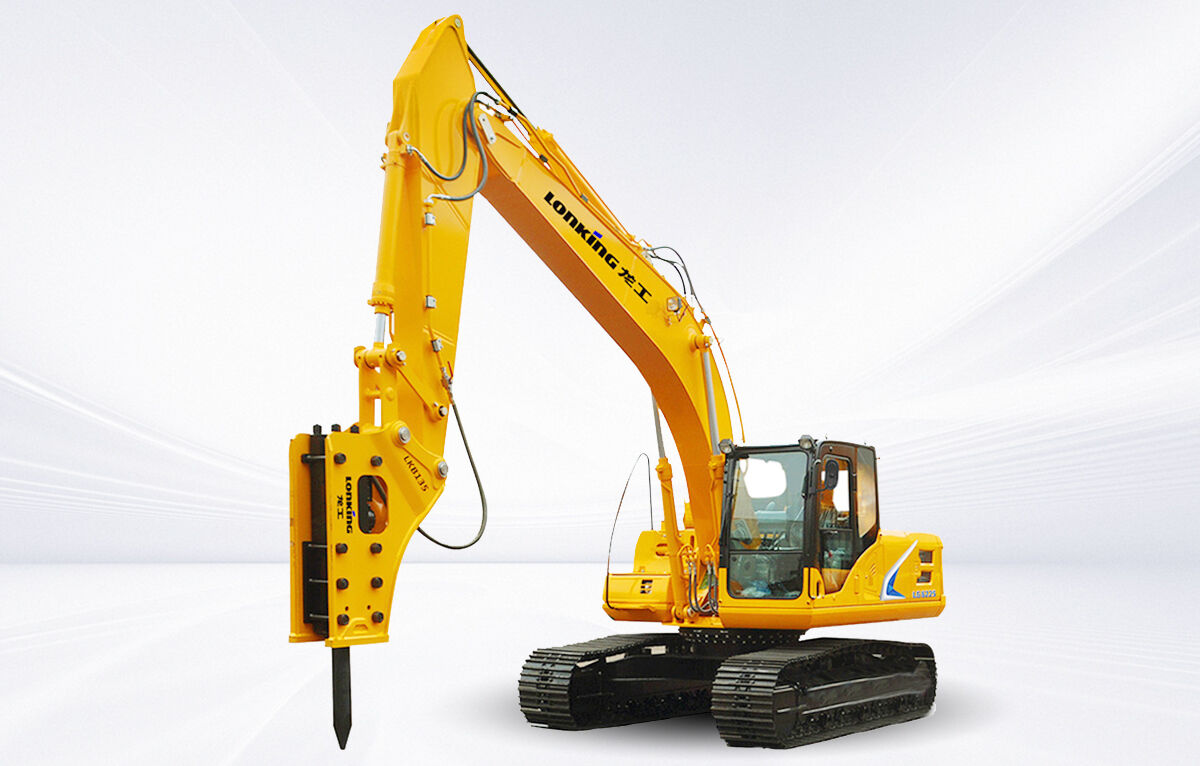
As a project manager overseeing urban redevelopment and infrastructure projects, I have had the opportunity to evaluate the use of hydraulic breaker excavators in challenging construction scenarios. Hydraulic breaker excavators are specialized machines designed to combine the precision and reach of conventional excavators with the power to break concrete, rocks, and other tough materials efficiently. This case study focuses on a recent urban redevelopment project, where compact spaces, uneven terrain, and high-volume material demolition posed significant operational challenges.
The project involved the renovation of a city block with aging infrastructure, including sidewalks, old pavement, and underground utilities. Traditional demolition techniques using manual labor or conventional excavators proved inefficient, as confined spaces and the presence of nearby structures limited operational freedom. Safety considerations were also paramount; uncontrolled debris or imprecise operations could pose serious hazards to workers and pedestrians.
To address these challenges, we integrated a fleet of hydraulic breaker excavators into the demolition and site preparation phases. These machines offered precise control, high hydraulic power, and a strong breaker attachment capable of handling reinforced concrete and compacted stone. Their advanced design allowed for optimal power distribution across the boom, arm, and breaker, enabling sustained work without significant performance degradation.
The urban project site featured slopes, uneven ground, and occasional debris piles, making mobility and stability critical. Hydraulic breaker excavators are engineered for superior climb performance and stability, which allowed our operators to safely maneuver across complex terrain. By maintaining a low center of gravity and optimized crawler configuration, the machines could tackle sloped surfaces without compromising efficiency or safety.
Additionally, the project required minimal disruption to the surrounding urban environment. The compact size of hydraulic breaker excavators, combined with their precise hydraulic control, allowed operators to work close to existing buildings and infrastructure while minimizing vibrations and noise. This capability was crucial for meeting regulatory requirements and reducing the impact on local residents and businesses.
Through careful planning and deployment of hydraulic breaker excavators, we were able to significantly improve workflow efficiency, enhance site safety, and accelerate project timelines. The combination of power, precision, and mobility made these machines indispensable for modern urban construction and demolition projects.
Product Performance and Application Process
The hydraulic breaker excavator performed exceptionally during the urban redevelopment project. One of its most significant advantages was the intelligent power distribution system. By allocating hydraulic energy efficiently between the boom, arm, and breaker attachment, the machine maintained consistent breaking force while ensuring smooth, controlled movements. This not only improved operational efficiency but also reduced hydraulic stress and fuel consumption.
The excavator’s long boom and arm provided extended reach, allowing operators to access hard-to-reach areas without frequently repositioning the machine. This feature was particularly useful for breaking up large sections of concrete and stone while maintaining a safe distance from surrounding structures. The hydraulic breaker attachment delivered high-impact force, rapidly demolishing reinforced concrete and compacted debris with minimal operator effort.
Climbing performance and stability were critical during operations on uneven surfaces. The crawler design, combined with optimized weight distribution, enabled the hydraulic breaker excavator to traverse slopes and rough terrain safely. Operators could maintain precise control even when handling heavy materials on challenging inclines, minimizing the risk of tipping or operational delays.
During the application process, operators followed a systematic workflow: first surveying the demolition area, then positioning the hydraulic breaker excavator strategically, and finally executing controlled breaking cycles. The machine’s intuitive controls and responsive hydraulics allowed operators to adjust impact force, breaker angle, and boom extension in real time, ensuring maximum efficiency and safety.
Furthermore, the ability to switch between breaking, digging, and lifting operations without repositioning the machine added versatility. This adaptability reduced downtime and allowed a single hydraulic breaker excavator to perform multiple tasks in sequence, significantly improving site productivity.
Results and Achievements
The deployment of hydraulic breaker excavators resulted in measurable improvements in both efficiency and safety on the project site. Material demolition tasks that previously required several days of manual labor or multiple conventional machines were completed in a fraction of the time. For instance, breaking reinforced concrete slabs and compacted debris was completed with consistent precision, reducing the need for secondary processing and cleanup.
Operational efficiency was enhanced by the combination of strong boom lifting capacity and precise hydraulic control. Operators could move large volumes of broken material with minimal repositioning, while the intelligent power distribution system maintained steady performance throughout prolonged work cycles. This reduced machine downtime and improved overall project throughput.
The machines’ ability to operate on slopes and uneven terrain also minimized delays. Traditional excavators often struggle with stability in such conditions, leading to cautious operation or frequent repositioning. The hydraulic breaker excavator’s low center of gravity and optimized crawler traction allowed safe and continuous operations, even on challenging inclines. This capability was particularly valuable when accessing debris piles and preparing foundation areas for reconstruction.
Safety outcomes were equally impressive. The precise hydraulic control and high-impact efficiency allowed operators to maintain safe distances from sensitive structures, reducing the risk of accidental damage. Controlled vibration and noise levels minimized disruption to neighboring buildings and residents, which was a critical requirement for urban projects.
In terms of project productivity, the use of hydraulic breaker excavators accelerated demolition timelines by approximately 25–30%. This improvement allowed the construction team to adhere to tight schedules, reduce labor costs, and optimize resource allocation. Additionally, operators reported reduced fatigue due to the machine’s responsive controls and efficient hydraulic operation, contributing to consistent performance across multiple shifts.
Versatility was another key achievement. The hydraulic breaker excavator seamlessly performed multiple functions: breaking concrete, excavating debris, and assisting in material handling. This multifunctionality reduced the need for additional machinery, lowering operational costs and simplifying site logistics.
Overall, the application of hydraulic breaker excavators demonstrated that combining power, mobility, and precise control significantly enhances project efficiency, safety, and flexibility. The machines proved indispensable in meeting both technical and operational challenges in complex urban construction scenarios.
Conclusion
In conclusion, hydraulic breaker excavators provide an effective solution for modern construction and demolition projects, particularly in urban and constrained environments. Their intelligent hydraulic power distribution, strong boom lifting capacity, and superior climbing ability enable operators to tackle complex terrain efficiently and safely.
The case study demonstrates that deploying hydraulic breaker excavators can significantly improve workflow efficiency, reduce labor requirements, and accelerate project timelines. By combining breaking, lifting, and digging capabilities in a single machine, operators can perform multiple tasks without frequent repositioning, maximizing productivity and minimizing operational costs.
From a project management perspective, these machines offer both practical and strategic advantages. They enhance safety by allowing controlled operations near existing structures, reduce environmental impact through lower vibrations and noise, and provide flexibility to adapt to varied site conditions. Their compact design and mobility also ensure they can access confined spaces that would be challenging for conventional excavators.
For future projects, we recommend integrating hydraulic breaker excavators into urban redevelopment, infrastructure renovation, and complex demolition tasks. Operators should leverage the machines’ advanced hydraulic systems, extended reach, and slope-handling capabilities to optimize both safety and efficiency. Regular maintenance and operator training are also essential to fully exploit the capabilities of hydraulic breaker excavators.
In summary, hydraulic breaker excavators are a critical asset for project managers aiming to improve operational efficiency, safety, and versatility on challenging construction sites. Their combination of precision, power, and mobility ensures consistent performance in demanding conditions, making them indispensable in modern construction and demolition operations.