
 EN
EN
Customer Concerns and Challenges
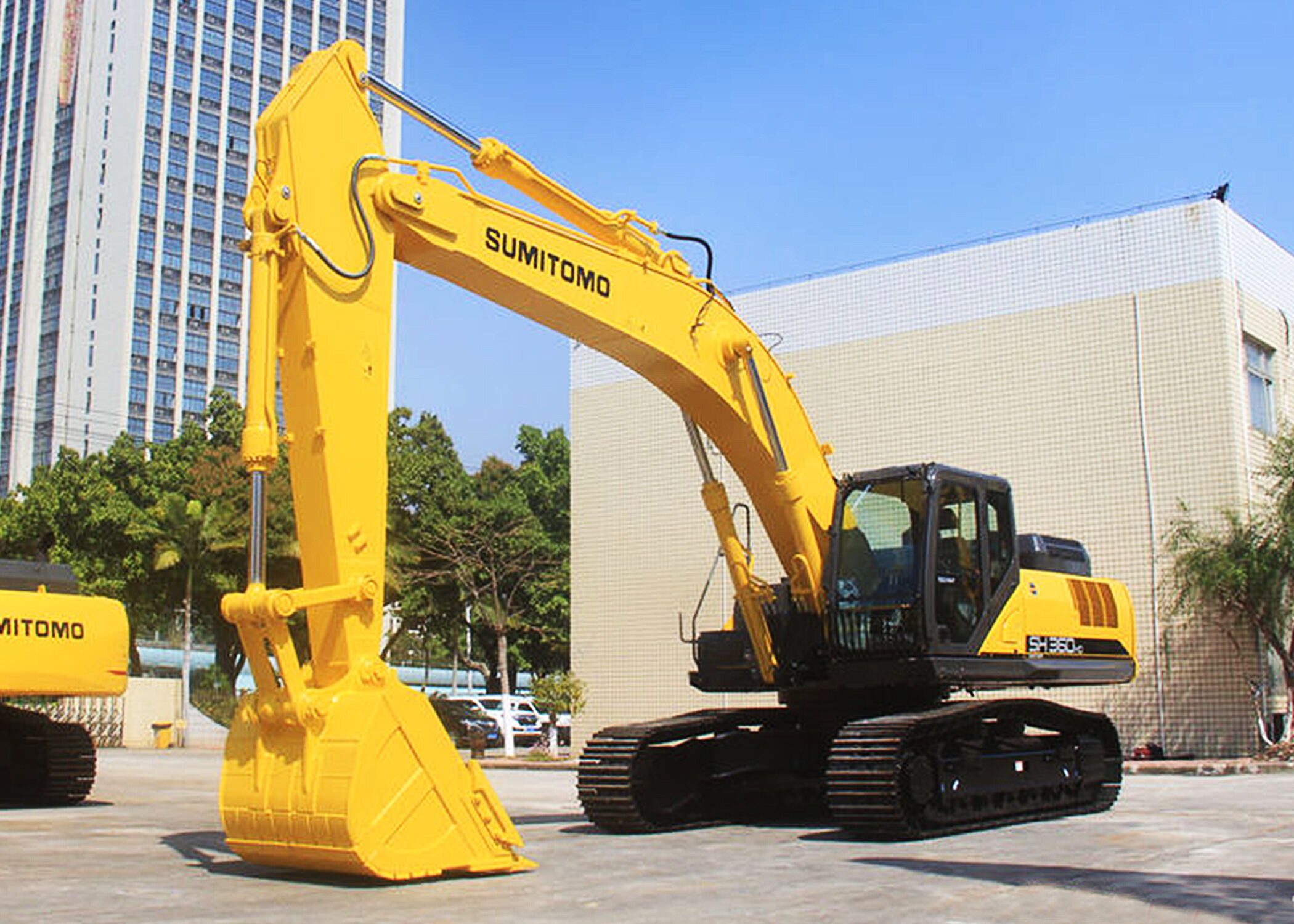
In modern construction and civil engineering projects, clients often encounter significant challenges related to machine flexibility, operational efficiency, and site safety. A common question among project managers and contractors is: “What is a 360 excavator, and how can it improve productivity on complex sites?” While conventional backhoe or limited-rotation machines serve standard excavation needs, they often struggle in confined or multi-level environments where full rotation is required.
Clients frequently highlight several recurring pain points. First, project efficiency is compromised when machines cannot rotate fully to access tight corners, parallel structures, or multiple trench lines without repeated repositioning. These repeated moves increase cycle times, elevate fuel consumption, and introduce risks during frequent travel across uneven terrain. Second, downtime due to component wear and maintenance complexity is another major concern. Operators report frustration with machines that require extended service times to replace worn pins, bushings, or track components, particularly on long-term projects with continuous digging or lifting.
Site safety is also a pressing issue. Slopes, uneven ground, and restricted working areas pose risks for conventional machines. Machines without advanced braking systems may slide on inclined surfaces, threatening both operator safety and project stability. Clients emphasize the need for equipment that not only performs heavy-duty excavation but also protects operators and nearby personnel under challenging conditions.
Fuel efficiency and environmental considerations further influence equipment decisions. Many clients are seeking machines with energy-saving capabilities that reduce idle fuel consumption and meet stricter emission standards. Projects in urban or environmentally sensitive areas amplify these concerns, requiring excavators that can manage long work cycles with minimal impact.
Finally, versatility remains a key concern. Contractors increasingly demand machines capable of supporting multiple attachments—ranging from standard digging buckets to grading tools—without significant downtime. The ideal solution balances operational flexibility, component durability, and long-term reliability. Here, the 360 excavator emerges as a compelling answer to these client needs, offering full-rotation capability, advanced safety systems, and maintainability features that collectively address the major operational challenges highlighted by modern construction projects.
Key Product Features
Automatic Idle and Fuel Management System
One standout feature of the 360 excavator is its automatic idle functionality. This system intelligently reduces engine speed when hydraulic demand is low or the machine is temporarily inactive. By minimizing unnecessary fuel burn during pauses, the 360 excavator improves operational efficiency and reduces overall operating costs. Additionally, this automatic idle feature lowers heat generation and vibration stress on critical components, extending the life of hydraulic pumps, seals, and electronic modules. For multi-shift operations, the system enables smoother transitions between active work periods without manual throttle adjustments, which simplifies operator training and reduces fatigue.
Slope Braking System for Safety and Stability
Another crucial design aspect of the 360 excavator is its integrated slope braking system. Working on uneven or inclined terrain poses significant safety risks, and standard machines often lack reliable mechanisms to maintain position under load. The 360 excavator employs a combination of hydraulically assisted parking brakes and automatic load-holding functions that engage when the machine is stationary on a slope. This system prevents unintended movement, stabilizes the platform for precise digging, and ensures operator confidence during challenging operations. In addition, the slope braking system works in tandem with the machine’s undercarriage suspension and vibration absorption features to maintain smooth rotation and reduce wear on tracks and idlers.
Durable, Easily Replaceable Wear Components
Maintenance efficiency is another core advantage of the 360 excavator. Designed for high uptime, the machine incorporates easily replaceable wear parts, including bucket teeth, pins, bushings, and track pads. Precision-engineered components and standardized mounting interfaces enable operators or technicians to conduct quick replacements on-site, minimizing downtime and avoiding expensive off-site repairs. This design philosophy ensures that even in high-volume excavation projects, the 360 excavator remains operational for extended periods while maintaining optimal performance. The combination of robust material selection and modular wear parts extends the service life of the undercarriage, boom, and attachment points, further reducing total cost of ownership.
Together, these features—automatic idle, slope braking, and modular wear components—equip the 360 excavator to address client concerns about productivity, safety, and maintenance while supporting diverse operational requirements in various construction environments.
Expert Q&A: Technical Insights and Advice
Q1: What exactly defines a 360 excavator?
A 360 excavator is characterized by its ability to rotate a full 360 degrees around the swing axis. Unlike limited-rotation machines or traditional backhoes, this capability allows the operator to dig, lift, and maneuver material without repositioning the undercarriage. This is particularly advantageous in confined urban sites, multi-trench operations, or areas with restricted access. As a technical expert, I emphasize that full rotation also reduces soil compaction, as the machine can pivot instead of being driven repeatedly over sensitive terrain.
Q2: How does the automatic idle system improve productivity?
The automatic idle system reduces unnecessary engine operation during low-demand periods. This not only conserves fuel but also reduces wear on hydraulic pumps, valves, and engine components. For projects involving repeated short-duration digging cycles, this feature ensures consistent performance while lowering operational costs. Operators also benefit from reduced noise and vibration, which improves focus and reduces fatigue—critical factors in maintaining high productivity throughout long shifts.
Q3: Why is slope braking important for a 360 excavator?
Slope braking is essential for maintaining safety and precision in sloped or uneven terrain. When a 360 excavator operates on an incline, the system automatically holds the machine in position, preventing rollbacks or lateral movement. This stability allows operators to perform accurate excavation and placement tasks without relying on external supports. For contractors working on hillsides, embankments, or roadways, slope braking minimizes accident risk and protects both personnel and equipment.
Q4: How do modular wear components benefit field operations?
Wear components such as bucket teeth, pins, bushings, and pads are designed for rapid replacement. This modular approach allows maintenance crews to swap worn parts without specialized tooling or extended downtime. In high-volume projects, a 360 excavator equipped with easily replaceable wear parts can maintain continuous operation for longer durations, reducing dependency on spare machine backups and lowering total project costs. Precision manufacturing ensures that replacement components maintain alignment and performance, preserving the machine’s structural integrity.
Q5: Are there limitations to 360 excavators?
While versatile, 360 excavators are generally heavier and more complex than limited-rotation machines. Transport logistics and initial investment may be higher, but these costs are often offset by increased operational efficiency, reduced downtime, and enhanced safety on demanding sites. For projects requiring multi-directional digging, lifting, or material handling, the advantages of full rotation and integrated features outweigh these considerations.
Q6: Which industries benefit most from 360 excavators?
Applications range from urban construction, utilities installation, and road maintenance to forestry, landscaping, and municipal projects. Any environment where site access is limited or frequent repositioning is costly benefits from a 360 excavator. By integrating automatic idle, slope braking, and modular wear components, the machine provides predictable performance, safety, and ease of maintenance—critical factors across industries.
Conclusion
In summary, the 360 excavator represents a versatile, high-performance solution for modern construction and civil engineering projects. Its full-rotation capability allows operators to perform excavation, lifting, and material placement without repeated repositioning, enhancing efficiency and reducing site disruption. Automatic idle functionality ensures energy-efficient operation, prolonging component life while lowering fuel costs. The integrated slope braking system provides stability and safety on challenging terrain, mitigating risks associated with steep or uneven surfaces.
The modular design of wear components—bucket teeth, pins, bushings, and pads—ensures that maintenance can be performed quickly and effectively on-site, maximizing uptime and productivity. These technical advantages make the 360 excavator particularly well-suited for multi-trade projects, urban construction, and environments where precision and safety are paramount.
For contractors and project managers, selecting a high-quality 360 excavator from a reputable manufacturer provides a long-term investment that balances productivity, durability, and operational flexibility. By understanding the machine’s capabilities, maintenance requirements, and operational benefits, organizations can optimize resource allocation, reduce downtime, and maintain predictable project schedules.
Ultimately, a 360 excavator is not merely a piece of equipment—it is a strategic tool that addresses the modern demands of construction, utility installation, and municipal projects. Its combination of full rotation, automated efficiency features, slope safety, and modular maintenance design transforms operational challenges into manageable, predictable outcomes. For projects requiring both versatility and reliability, the 360 excavator is the expert-recommended choice.