
 EN
EN
Industry Challenges and Pain Points
Large-scale earthmoving projects, including mining operations, infrastructure construction, and port expansions, demand heavy-duty equipment that can perform reliably under high-stress conditions. Project managers often face significant challenges, such as uneven terrain, abrasive soil, and the need to maintain tight schedules while minimizing operational risks. Traditional mid-range machines may struggle with the scale of excavation required, leading to delays, increased fuel consumption, and higher maintenance costs.
One critical pain point is machine versatility. Many sites require handling multiple tasks, such as trenching, material lifting, and bulk excavation, often in rapid succession. Contractors cannot afford frequent equipment swaps or downtime for specialized tasks, yet standard excavators frequently fall short when confronted with complex or variable assignments. This limitation often results in inefficiencies, as crews wait for the right machine or improvise with attachments not optimized for the job, creating a ripple effect across project timelines.
Safety and operator comfort are also significant concerns. Extended operation of conventional machines on large-scale sites exposes crews to vibration fatigue, control inefficiencies, and increased risk of component failure. Additionally, remote sites may face limited access to spare parts or service support, causing unplanned downtime and escalating operational costs.
Environmental and regulatory compliance further complicates project execution. Earthmoving in sensitive areas, such as riverbanks, wetlands, or urban expansion zones, requires careful management of sediment displacement, noise, and dust. Machines unable to adapt to these conditions without specialized attachments or protective systems risk fines, project stoppages, or reputational damage for contractors.
Another pain point is logistics and asset management. Large-scale projects often span multiple sites with varied topography. Moving standard excavators between locations can be inefficient, costly, and time-consuming, especially when specialized configurations are required for each site. Without equipment designed for adaptability and supported by a robust supply chain, project efficiency suffers.
In summary, the industry demands a solution that delivers high productivity, operational versatility, and reliable support. Contractors require a heavy-duty machine capable of handling diverse tasks across multiple sites, while maintaining uptime, safety, and compliance. The 20-ton excavator emerges as a strategic choice to address these pain points, offering both the performance and flexibility required for modern large-scale earthmoving projects.
Product Features of the 20-Ton Excavator
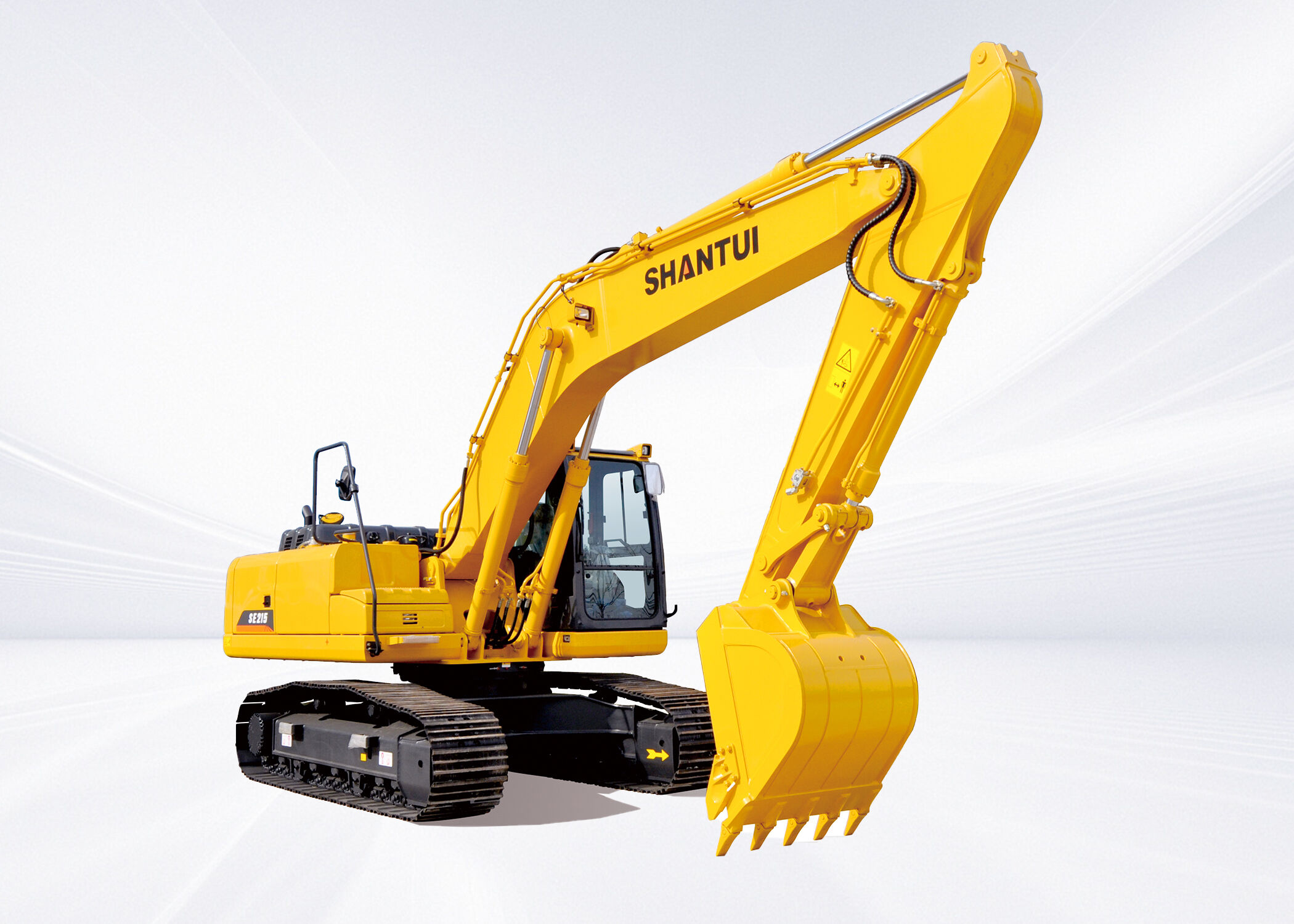
The 20-ton excavator is engineered to address the multifaceted demands of heavy earthmoving projects. One of its core advantages is the ability to equip customized work attachments, including high-capacity buckets, grapples, hydraulic breakers, and specialized grading tools. These attachments allow a single 20-ton excavator to switch seamlessly between tasks, eliminating the need for multiple machines and reducing operational complexity.
Another key feature is multi-industry adaptability. The 20-ton excavator is designed to perform efficiently across construction, mining, port handling, and utility projects. Its hydraulic systems are tuned for precise control in both heavy-duty digging and delicate material placement. This versatility ensures that contractors can rely on the same machine for a wide range of applications, from bulk excavation to structural site preparation, optimizing resource allocation.
The robust frame and durable undercarriage of the 20-ton excavator ensure long-term reliability, even under continuous high-load operations. Precision welding techniques, reinforced booms, and high-strength steel components enable the machine to withstand torsional stress and uneven ground conditions, reducing maintenance frequency and prolonging service life.
To support operational continuity, the 20-ton excavator comes with a comprehensive spare parts supply, including standardized filters, wear components, and hydraulic elements. Contractors benefit from consistent access to replacement parts, ensuring minimal downtime and simplified inventory management.
Operator-centric design further enhances productivity. Features such as intuitive controls, adjustable seating, and integrated monitoring systems reduce fatigue and improve operational precision. In combination with vibration-dampening systems and ergonomic cab layouts, the 20-ton excavator allows operators to maintain focus and efficiency during long shifts, a critical factor in large-scale projects.
Finally, advanced safety features, including anti-slip platforms, emergency shutoffs, and reinforced hydraulic lines, provide additional confidence when performing high-risk excavation tasks. By integrating these elements, the 20-ton excavator not only meets the technical requirements of demanding sites but also supports operational safety and compliance.
Applied Solutions and Use Cases
In practice, the 20-ton excavator has proven its value across multiple large-scale earthmoving scenarios. Consider a major highway expansion project where contractors needed to excavate deep trench lines for drainage while simultaneously preparing adjacent embankments. By deploying a 20-ton excavator with a high-capacity bucket and grading attachment, the team completed both tasks without switching machines, reducing cycle time and labor requirements. The machine’s durable frame and torsion-resistant undercarriage enabled continuous operation over uneven terrain without component failure.
Another application involved mining site overburden removal, where operators required both heavy digging power and precision material handling. The 20-ton excavator’s customizable attachments allowed crews to transition between rock-breaking hydraulic hammers and high-capacity spoil buckets, optimizing workflow while maintaining operator safety. With access to a full range of spare parts, maintenance was streamlined, preventing costly downtime during critical extraction phases.
In port and waterfront construction, contractors faced wet and compacted soils requiring careful excavation to avoid infrastructure damage. The 20-ton excavator’s multi-industry capabilities, reinforced boom structure, and precise hydraulic controls enabled both sediment removal and protective grading without the need for auxiliary support equipment. Its standardized parts and service protocols ensured rapid recovery from minor wear and tear, maintaining project timelines.
Utility projects also benefit from the 20-ton excavator’s design. Installing pipelines across multiple urban sites demanded rapid relocation between job locations and flexible attachment options for trenching, lifting, and backfilling. The 20-ton excavator’s mobility, coupled with high-strength undercarriage components, allowed efficient execution without the logistical complications typical of multiple specialized machines.
Across all these cases, the common advantage lies in the machine’s adaptability, durability, and service support. A single 20-ton excavator replaces several smaller machines, provides consistent performance in variable conditions, and ensures minimal downtime through access to a comprehensive spare parts network. For project managers and technical teams, this combination translates into higher productivity, predictable scheduling, and improved cost efficiency.
Summary and Recommendations
In conclusion, the 20-ton excavator stands out as an optimal choice for large-scale earthmoving operations due to its combination of customizable attachments, multi-industry versatility, and full spare parts support. Contractors benefit from a machine capable of handling diverse tasks across multiple sites without compromising safety, reliability, or operational efficiency.
The strategic advantages include reduced equipment fleet requirements, lower operational complexity, and higher uptime. By investing in a 20-ton excavator from a reputable manufacturer, organizations gain access to technical support, maintenance guidance, and standardized components that simplify logistics. This ensures the machine continues to deliver consistent performance throughout prolonged projects.
For project planners, the selection of a 20-ton excavator should align with site conditions, expected workload, and required attachments. Where terrain is challenging, tasks are diverse, or schedules are tight, the 20-ton excavator offers a balance of power, precision, and durability unmatched by smaller or less robust equipment.
Ultimately, adopting a 20-ton excavator for large-scale earthmoving enhances productivity, reduces unplanned downtime, and provides operational flexibility across multiple project types. It transforms logistical and technical challenges into manageable, predictable outcomes, establishing a foundation for efficiency, cost-effectiveness, and long-term success.