
 EN
EN
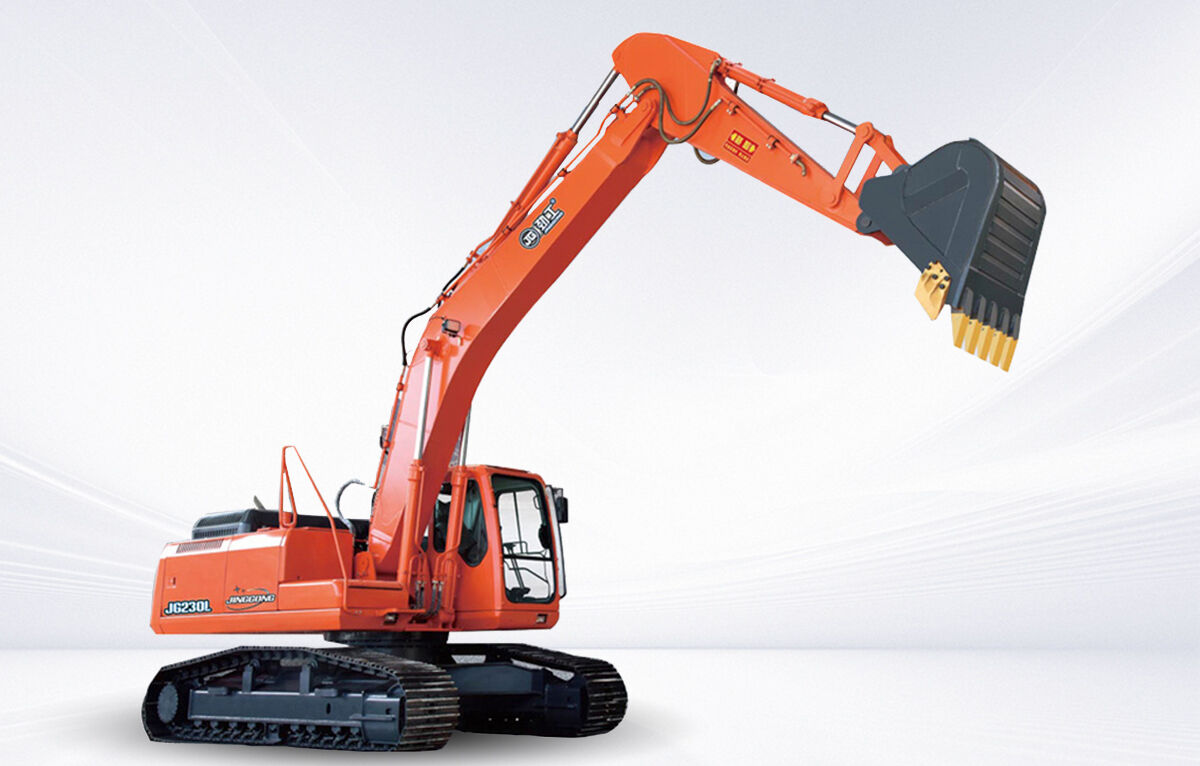
Understanding Your Needs
When evaluating construction machinery for your project, the choice between a tracked excavator and a wheeled excavator is more than just a question of terrain preference. As a technical consultant, I often advise clients that understanding site conditions, operational demands, and long-term costs is critical to selecting the right equipment. Each project comes with a unique combination of soil types, mobility requirements, and workload intensity, and these factors directly affect machine performance, durability, and productivity.
Tracked excavators are designed for stability and durability on uneven, soft, or challenging terrain. Their steel track undercarriage distributes weight evenly, minimizing ground pressure and reducing the risk of sinking into mud or loose soil. This makes them ideal for excavation in sites like quarries, forest clearings, and wetland-adjacent construction zones. Additionally, tracked excavators are equipped with advanced vibration absorption systems that reduce operator fatigue and protect hydraulic components from shock loads during extended digging cycles. The extended life of carrier rollers, idlers, and sprockets is another significant consideration, as these components endure heavy repetitive loads while maintaining structural integrity over time.
Wheeled excavators, in contrast, provide higher mobility on paved or firm surfaces, allowing operators to move efficiently between locations without the need for transport trailers. For urban projects, maintenance work along roadsides, or any task requiring rapid redeployment across multiple sites, wheeled excavators offer operational flexibility. However, they generally sacrifice the high torque and anti-torsion advantages that tracked excavators bring, particularly on slopes or soft soil where ground traction is crucial.
Before making a purchase, operators must assess multiple factors: soil composition, distance between job sites, load frequency, project duration, and machine versatility. Understanding these requirements helps define whether the superior traction and structural robustness of a tracked excavator outweigh the convenience of a wheeled model, or vice versa. A detailed needs analysis, including expected dig depth, lift loads, and ground conditions, will inform not only the type of excavator but also its specific undercarriage and attachment configurations.
In summary, selecting the right excavator begins with a clear understanding of project demands. For heavy-duty, off-road, or uneven terrain operations, tracked excavators often provide unmatched stability, durability, and long-term performance. Wheeled excavators excel in mobility-centric tasks on firm surfaces but may not match the tracked counterpart in high-torque or torsional stress environments. Knowing these distinctions allows companies to optimize productivity, reduce downtime, and achieve cost-effective equipment utilization.
Product Features and Comparative Analysis
Tracked Excavator Features
Tracked excavators offer a range of features specifically designed for demanding applications. One of the most critical elements is the vibration absorption system integrated into the undercarriage and boom structure. This system reduces shocks transmitted to the operator cab and hydraulic system, ensuring smoother operation even on rocky or uneven surfaces. By mitigating vibration, tracked excavators protect sensitive components, extend service life, and improve operator comfort for long shifts.
Another hallmark of tracked excavators is the longevity of the support rollers and idlers. Manufactured using precision welding and heat-treated steel, these components resist wear and torsional stress, making tracked excavators suitable for heavy excavation tasks over prolonged periods. The combination of robust frame construction and precise weld joints contributes to superior anti-torsion capabilities, allowing the machine to maintain structural integrity under extreme loads.
Wheeled Excavator Features
Wheeled excavators are optimized for speed and flexibility. Their tires allow for rapid repositioning without auxiliary transport, and they are ideal for projects on firm surfaces, such as urban construction or road maintenance. Modern wheeled excavators often include oscillating undercarriage systems to improve stability during digging, though they still cannot match the torsional resistance of a tracked excavator on uneven or soft terrain.
Comparative Analysis
When comparing tracked and wheeled excavators, three factors stand out: mobility, terrain adaptability, and durability. Tracked excavators dominate in challenging terrain, thanks to low ground pressure, superior traction, and robust torsional strength. Wheeled excavators excel in operational mobility on paved or compacted surfaces, offering fast relocation without the need for trailers.
Additionally, maintenance considerations differ. Tracked excavators require periodic inspection of rollers, idlers, and track links, but their extended component life often justifies the investment. Wheeled excavators, while easier to move, place higher stress on tires and wheel hubs, potentially increasing downtime when working off-road.
Ultimately, tracked excavators are engineered for stability, longevity, and performance in demanding environments, whereas wheeled excavators prioritize transport efficiency and operational flexibility. Understanding these differences helps project planners select a machine aligned with site conditions, operational intensity, and long-term cost considerations.
Selection Guidelines
Choosing the right excavator depends on aligning machine capabilities with project-specific requirements. For large-scale civil works, infrastructure construction, or sites with variable or soft terrain, a tracked excavator is usually the optimal choice. Its vibration absorption system, long-lasting carrier rollers, and precision-welded anti-torsion frame enable high productivity while minimizing maintenance interruptions. For projects requiring continuous digging on slopes, muddy grounds, or uneven surfaces, tracked excavators maintain stability where wheeled excavators would struggle or risk damage.
For clients managing multiple urban sites with firm roadways, wheeled excavators may be preferable. Their ability to travel quickly between locations reduces the need for heavy transport equipment and permits. Wheeled models are ideal for utility installation, municipal projects, and maintenance tasks where time-sensitive relocation outweighs the benefits of off-road traction.
Key questions for technical advisors and project managers include:
-
•
What is the predominant soil type and terrain condition?
-
•
How frequently will the machine need to relocate between sites?
-
•
What is the expected cycle of heavy-duty excavation or lifting?
-
•
Are attachments like buckets, grapples, or hammers required for diverse tasks?
-
•
What are the long-term maintenance and service expectations?
If the project involves soft ground, heavy-duty digging, or long-term repetitive tasks, a tracked excavator’s robust undercarriage, durable rollers, and anti-torsion frame will maximize uptime and operator safety. Additionally, tracked excavators support a wider range of attachments without compromising stability, from deep digging buckets to specialized lifting or grading tools.
For mixed-use projects, some organizations adopt a hybrid strategy. Tracked excavators handle main-site earthworks and heavy lifting, while wheeled excavators address mobility-intensive tasks on paved surfaces. This approach balances cost, performance, and flexibility but requires careful planning to ensure transport and maintenance efficiencies.
When evaluating suppliers, it is also essential to consider component quality and welding standards. High-precision welding enhances frame integrity, supports anti-torsion performance, and prolongs undercarriage life. Investing in a tracked excavator from a reputable manufacturer ensures access to spare parts, technical support, and long-term service plans, which are critical for minimizing downtime and maximizing ROI.
Ultimately, the selection process should integrate site analysis, workload forecasting, and equipment specifications. By aligning machine choice with operational demands, companies can enhance productivity, reduce maintenance costs, and optimize project timelines. A well-specified tracked excavator provides unmatched stability and durability in challenging conditions, while a wheeled excavator offers speed and operational flexibility for mobility-focused tasks.
Conclusion
In conclusion, the choice between a tracked and wheeled excavator is a strategic decision with long-term implications for project efficiency, safety, and cost management. Tracked excavators are purpose-built for off-road, heavy-duty, and variable terrain operations. Their vibration absorption systems, long-life rollers, durable idlers, and precision-welded frames provide stability, operator comfort, and resistance to torsional stress. Projects with soft ground, slopes, or high excavation intensity benefit greatly from the performance and reliability of tracked machines.
Wheeled excavators excel where mobility, rapid redeployment, and minimal transport logistics are priorities. Urban construction, maintenance, and compact site environments favor wheeled models for their operational speed and ability to move between locations without auxiliary transport. However, wheeled excavators cannot match the anti-torsion strength, undercarriage durability, or off-road traction of tracked counterparts.
For companies seeking maximum uptime, reduced maintenance costs, and predictable performance in demanding environments, tracked excavators are generally the preferred choice. They accommodate diverse attachments, maintain stability on uneven or soft terrain, and protect both the machine and operator from shock loads. Choosing a high-quality tracked excavator from a reputable manufacturer ensures a long-term investment with optimized return, reliable service support, and proven durability.
Ultimately, the decision hinges on a thorough understanding of project conditions, operational priorities, and equipment specifications. Technical advisors recommend a detailed evaluation of soil types, relocation frequency, digging requirements, and maintenance plans before selecting an excavator. By matching machine capabilities to project needs, organizations can maximize productivity, reduce downtime, and ensure safety and efficiency across all job sites. A well-selected tracked excavator provides a foundation for success in demanding construction projects, making it a critical asset for contractors seeking reliability, versatility, and performance.