
 EN
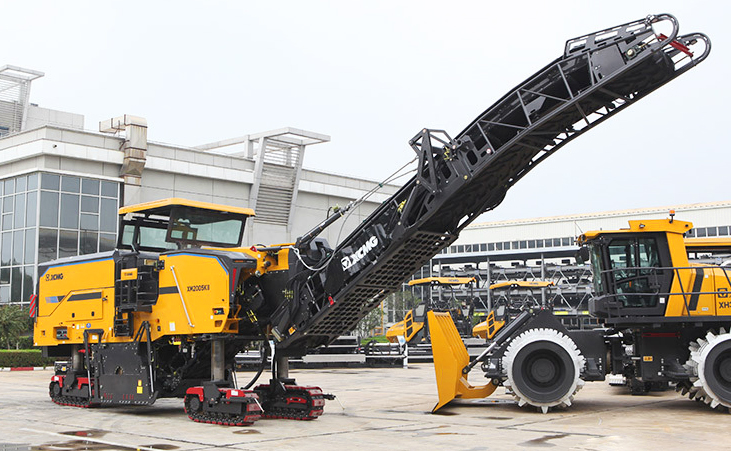
A cold milling machine represents one of the most efficient and cost-effective solutions for asphalt pavement removal and recycling in modern construction projects. Whether you are managing highway maintenance, parking lot rehabilitation, or urban road upgrades, understanding the advantages of a cold milling machine is essential for making informed equipment investment decisions. This equipment has revolutionized how contractors and municipalities approach pavement rehabilitation, offering substantial economic and environmental benefits that extend far beyond simple surface removal.
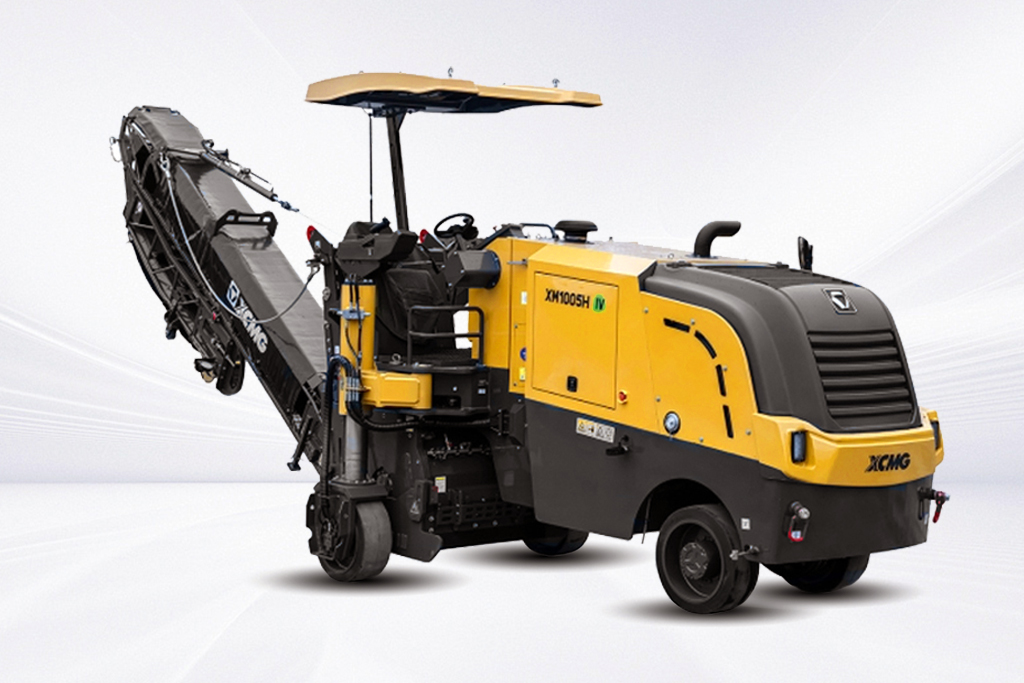
The technology behind a cold milling machine allows operators to precisely remove damaged asphalt layers while preserving underlying base materials. This precision control is a defining characteristic that separates cold milling machines from conventional demolition methods. By understanding what makes a cold milling machine valuable to your operation, you can better evaluate whether this equipment aligns with your project scope, budget constraints, and sustainability objectives. The advantages extend across productivity, material recovery, environmental compliance, and long-term project profitability.
Superior Asphalt Recovery and Material Reusability
Maximizing Recycled Asphalt Content with a Cold Milling Machine
One of the most compelling advantages of a cold milling machine is its ability to produce high-quality recycled asphalt material that can be directly reused in new pavement applications. Unlike demolition methods that pulverize asphalt into unsuitable fragments, a cold milling machine grinds the pavement in a controlled manner, creating uniform material gradation. This recycled material, often referred to as reclaimed asphalt pavement (RAP), can represent 20 to 40 percent of new asphalt mixtures, dramatically reducing the need for virgin aggregate and binder materials.
A cold milling machine delivers economic advantages by transforming what would otherwise be costly waste into a valuable resource. Contractors can either stockpile the milled asphalt for future projects or sell it to asphalt plants, creating an additional revenue stream. The consistency and quality of material produced by a cold milling machine makes it attractive for quality-conscious asphalt producers who must meet strict ASTM specifications for recycled content paving mixes. This material reusability aspect directly reduces project costs while supporting circular economy principles in construction.
Reducing Aggregate and Binder Demand
By enabling high RAP percentages in new mixes, a cold milling machine helps reduce overall demand for virgin aggregates and asphalt cement. This reduction lowers supplier dependency and insulates projects from volatile commodity price fluctuations. A cold milling machine operator can adjust depth settings to control material gradation, ensuring the recycled product meets specifications for specific asphalt mix designs. Transportation costs also decrease since less virgin material must be imported to project sites, further enhancing the financial case for using a cold milling machine over traditional removal methods.
Enhanced Operational Efficiency and Productivity
Speed and Precision in Pavement Removal
A cold milling machine operates with remarkable speed compared to manual removal or conventional scarification equipment, significantly reducing project timelines. Modern cold milling machines can process large surface areas in a single pass while maintaining consistent depth control, sometimes removing up to 2,000 tons of asphalt per day depending on machine size and configuration. This efficiency translates to reduced labor hours, lower equipment rental costs, and faster project completion, allowing contractors to move on to overlay or reconstruction phases without unnecessary delays. The precision of a cold milling machine means fewer quality issues during the removal phase, reducing rework and downstream complications.
The onboard collection system integrated into a cold milling machine captures milled material directly into a hopper, eliminating the need for additional sweeping and material handling equipment. This integrated workflow reduces the number of separate machines and operators required on-site, further lowering operational costs. A cold milling machine with advanced dust suppression systems also minimizes environmental and worker safety concerns, improving site conditions and reducing regulatory compliance burdens. The ability to fine-tune milling depth ensures consistent layer removal, which is critical for achieving proper overlay thickness and long-term pavement performance.
Reduced Project Timeline and Labor Requirements
A cold milling machine enables contractors to complete removal phases faster, which accelerates the overall project schedule and reduces financing costs on long-term projects. Labor requirements drop significantly because a cold milling machine operator and a small support crew can accomplish what might previously have required multiple teams and manual processes. This reduction in crew size translates to lower wage expenses, fewer insurance claims, and improved site safety metrics. For municipalities and contractors managing multiple concurrent projects, the time savings delivered by a cold milling machine allow equipment to be deployed more flexibly across different job sites.
Environmental and Sustainability Leadership
Supporting Green Building Practices and LEED Credentials
A cold milling machine aligns perfectly with modern sustainability requirements and green building certification programs. The ability to recover and reuse asphalt material supports LEED credits related to recycled content and waste diversion, making it an attractive choice for public agencies and private developers pursuing sustainability certifications. A cold milling machine reduces the carbon footprint associated with virgin material extraction, transportation, and processing. By creating usable recycled material on-site, a cold milling machine minimizes truck traffic to distant recycling facilities and reduces the embodied carbon in pavement projects.
Waste Reduction and Landfill Diversion
A cold milling machine effectively diverts asphalt waste from landfills, supporting environmental regulations and permitting requirements in jurisdictions with strict waste management mandates. The material produced by a cold milling machine can be stockpiled indefinitely without environmental degradation, providing flexibility for future use or sale. Regulatory agencies increasingly favor methods like cold milling machines that demonstrate commitment to resource conservation and waste minimization. A cold milling machine operator contributes to community environmental goals while building a reputation for responsible construction practices that appeal to environmentally conscious clients and stakeholders.
Dust control systems on modern cold milling machines protect air quality in nearby communities, reducing conflicts with residents and regulatory agencies. A cold milling machine minimizes noise pollution compared to pneumatic breakers and explosive demolition methods, allowing projects to operate during broader hours without disturbing neighboring properties. These environmental advantages create tangible business value by reducing operational restrictions, minimizing permit contingencies, and building client goodwill in environmentally sensitive areas.
FAQ
What depth can a cold milling machine remove in a single pass?
A cold milling machine can typically remove pavement depths ranging from one-quarter inch to over six inches in a single pass, depending on equipment specifications and machine power. The operator can adjust cutting depth with precision, allowing for controlled removal of damaged layers while preserving stable base materials beneath. Most modern cold milling machines include electronic depth control systems that maintain consistency across the entire milling width, ensuring uniform surface preparation for subsequent overlay or reconstruction work.
Can a cold milling machine operate in wet or winter conditions?
A cold milling machine can operate in various weather conditions more effectively than traditional pavement removal methods, though wet conditions may require dust suppression system adjustments. Cold milling machines with heated augers and sophisticated water management systems can function in cold weather, though frozen asphalt may reduce cutting efficiency compared to dry conditions. Operators should consult manufacturer specifications and site conditions to determine seasonal limitations and any necessary equipment modifications for climate-specific applications.
How much does a cold milling machine operator cost to hire?
A cold milling machine operator typically costs between $45 to $70 per hour depending on geographic location, experience level, and equipment rental arrangements. When compared to the total project cost savings from material reusability, reduced labor requirements, and faster timeline completion, the operator wages represent a small fraction of overall savings. Many equipment rental companies include operator services in their rental packages, simplifying logistics and reducing hiring complexity for contractors managing multiple projects simultaneously.