
 EN
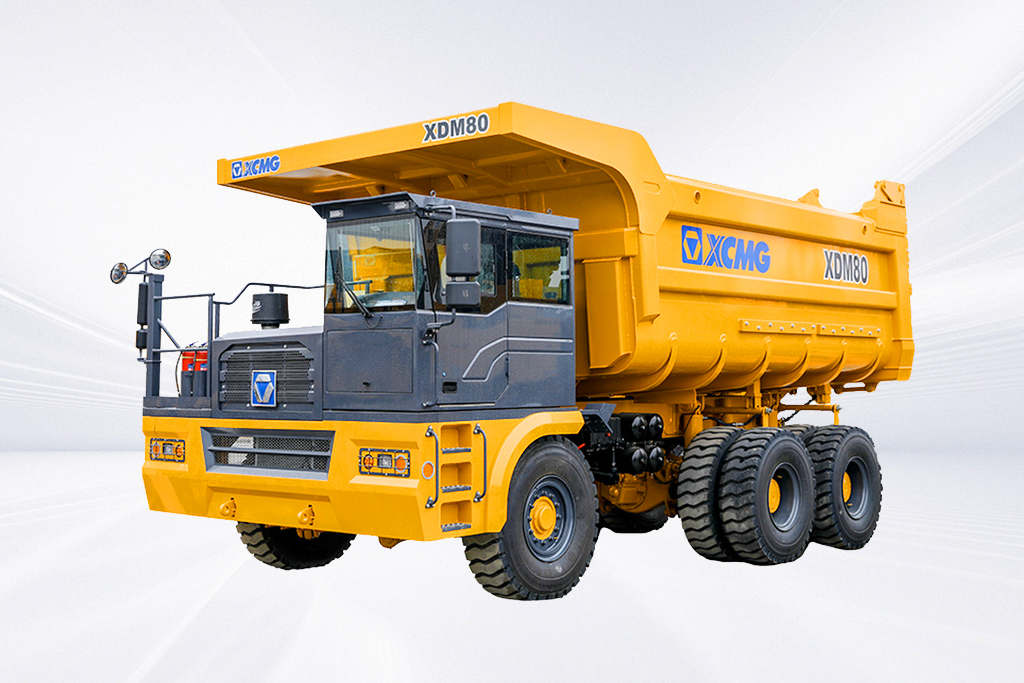
Selecting the right dump truck for your construction site is one of the most critical decisions in project planning and fleet management. A dump truck represents a substantial investment, and choosing the wrong body type can lead to operational inefficiencies, safety risks, and unexpected downtime. Different construction projects demand different dump truck configurations, ranging from small urban sites with tight access constraints to large-scale earthmoving operations requiring maximum payload capacity. Understanding the specific characteristics of each dump truck body type empowers you to match equipment to site conditions, material types, and project timelines with precision and confidence.

The dump truck market offers several standardized body designs, each engineered for specific material types, site conditions, and operational workflows. Standard tipper bodies, side-discharge configurations, and specialized variants each deliver distinct advantages and limitations. This guide explores how to evaluate dump truck options based on construction site requirements, material handling needs, access restrictions, and long-term operational cost efficiency.
Standard Tipper Body Configuration
Hydraulic Lifting Mechanism and Rear Discharge
The standard tipper dump truck remains the most widely deployed body type across construction industries globally. This dump truck configuration features a rectangular cargo box mounted on a hinged frame, controlled by hydraulic cylinders that lift the entire box rearward to discharge material onto the ground. The simplicity and reliability of this dump truck design make it the industry benchmark for general earthmoving, sand delivery, gravel transport, and site leveling operations. Standard dump truck models typically operate at lift angles between 45 and 60 degrees, enabling rapid discharge of cohesive and granular materials without operator intervention beyond engaging the hydraulic system.
Capacity ranges for standard dump truck bodies span from 10 to 25 cubic meters, with payload weights between 15 and 30 tons depending on frame size and suspension configuration. The dump truck rear-discharge design works exceptionally well on open construction sites where material can be distributed in a linear pattern behind the vehicle. However, this dump truck type performs poorly on narrow urban streets, congested building sites, or locations where space constraints prevent rearward dumping. The hydraulic lifting mechanism of a dump truck requires regular maintenance to ensure operational reliability, and repair costs can escalate if seals fail or pump efficiency declines.
Ideal Construction Site Conditions
Standard tipper dump truck bodies excel on large-scale infrastructure projects, quarry operations, highway construction, and site preparation work where ample space exists behind the vehicle. A dump truck of this type proves cost-effective for high-volume material movement because discharge cycles are rapid and operator training requirements remain minimal. Construction managers should specify a dump truck with this configuration when project sites feature wide access roads, open disposal areas, and predictable material types. The dump truck body's robust design handles rocks, clay, sand, and mixed aggregates with equal effectiveness, reducing the need for specialized equipment changeovers during extended projects.
Side-Discharge Dump Truck Design
Lateral Hydraulic System and Space-Efficient Operation
Side-discharge dump truck models address a fundamental limitation of rear-tipper designs by directing material flow perpendicular to the vehicle's longitudinal axis. This dump truck configuration employs hydraulic cylinders mounted on the cargo box frame to tilt the body laterally, enabling material discharge along either side of the truck path. The side-discharge dump truck provides extraordinary operational flexibility on constrained construction sites where backing space is unavailable, parking areas are minimal, or material must be spread linearly along narrow corridors. Urban infrastructure projects, street reconstruction work, and pipeline installation frequently demand side-discharge dump truck capabilities because traditional rear-tipper models cannot function effectively.
Typical side-discharge dump truck capacities range from 12 to 22 cubic meters, with hydraulic systems engineered to lift the cargo box to discharge angles between 35 and 50 degrees from horizontal. The dump truck's lateral discharge mechanism allows operators to distribute material across roadways, excavation trenches, and confined spaces without repositioning the vehicle. Maintenance requirements for a side-discharge dump truck remain comparable to standard models, though the additional complexity of lateral hydraulic circuits requires slightly more specialized technical support. A side-discharge dump truck typically costs 15 to 20 percent more than equivalent-capacity rear-tipper models, reflecting the engineering complexity and proprietary manufacturing involved.
Application Scenarios and Project Fit Assessment
Construction teams should deploy side-discharge dump truck resources on urban renewal projects, confined building sites, and operations where material placement precision matters. A dump truck with lateral discharge capability proves invaluable for streetscape projects, utility infrastructure work, and renovation sites adjacent to existing structures. When project budgets accommodate the higher acquisition cost, a dump truck featuring side-discharge technology delivers competitive advantage in tight market segments. Site supervisors can reduce cycle times and eliminate material repositioning costs by selecting the correct dump truck type from project inception.
Specialized Dump Truck Variants and Selection Framework
Off-Road and High-Angle Dump Truck Models
Beyond standard and side-discharge configurations, specialized dump truck types serve niche construction applications. High-angle tipper dump truck bodies, designed for 65 to 75-degree lift angles, excel at discharging sticky or cohesive materials that resist gravity flow during standard dump truck operation. Off-road dump truck models incorporate reinforced suspension, aggressive tire tread patterns, and elevated ground clearance for quarry operations, mining sites, and remote construction projects. These specialized dump truck variants often feature increased tare weight and enhanced structural rigidity to withstand rough terrain and heavy repetitive loading. dump truck specifications for mining and quarrying operations demand payload capacities exceeding 40 tons, integrated dust suppression systems, and tire configurations rated for continuous off-road service.
Tandem-axle and triaxle dump truck configurations extend payload capacity while maintaining manageable vehicle dimensions for roadway operation. A dump truck with multiple rear axles distributes weight more effectively across pavement surfaces, reducing premature wear and improving fuel efficiency on long-distance hauls. Construction companies must carefully match dump truck specifications to project duration, material volume requirements, and site accessibility constraints.
Decision Framework and Implementation Strategy
Effective dump truck selection requires systematic evaluation of five critical factors. First, quantify total material volume and project duration to determine whether a single dump truck or fleet deployment proves more economical. Second, assess site geometry, access roads, parking constraints, and discharge point location to identify whether rear-tipper, side-discharge, or specialized dump truck configurations work best. Third, evaluate material characteristics including moisture content, particle size, and adhesion properties because certain dump truck body designs handle sticky clay differently than granular sand. Fourth, calculate total cost of ownership including fuel consumption, maintenance intervals, operator wages, and equipment downtime across the project timeline. Fifth, verify that selected dump truck specifications comply with local weight regulations, environmental emissions standards, and safety requirements applicable to your geographic region.
FAQ
What material types are incompatible with standard rear-discharge dump truck bodies?
Highly adhesive materials like wet clay, moist topsoil, and muddy aggregates frequently resist gravity discharge from standard dump truck configurations. When sticky materials remain partially stuck to the cargo box interior as the dump truck tilts, discharge cycles lengthen significantly and operator frustration increases. Specification of a high-angle dump truck model with 70-degree lift capability or application of dump truck bed liners improves discharge performance substantially. In extreme cases, wet material may require dump truck modification through side-discharge adaptation or temporary use of construction lubricants to facilitate material release.
How does fuel consumption differ between dump truck body types?
Side-discharge dump truck models typically consume 5 to 10 percent more fuel than equivalent-capacity standard tipper trucks because lateral hydraulic systems demand additional engine power during discharge cycles. Off-road dump truck variants with reinforced frames and suspension components weigh 2 to 4 tons more than standard designs, increasing fuel consumption across all driving conditions. High-angle dump truck models with elevated lift capabilities require proportionally more hydraulic pressure, further impacting operational fuel economics. Construction managers should factor estimated fuel consumption into total cost comparison when choosing between dump truck alternatives.
Can a standard dump truck body be retrofitted with side-discharge capability?
Retrofit conversion of standard dump truck bodies to side-discharge configuration is technically possible but economically rarely justified. Conversion costs typically approach 60 to 75 percent of purchasing a purpose-built side-discharge dump truck, and the retrofit dump truck may experience reliability issues due to frame modifications. New side-discharge dump truck purchase remains the preferred path for permanent fleet expansion. Temporary rental of specialized dump truck equipment represents a more cost-effective alternative when limited projects require side-discharge capabilities.