
 EN
EN
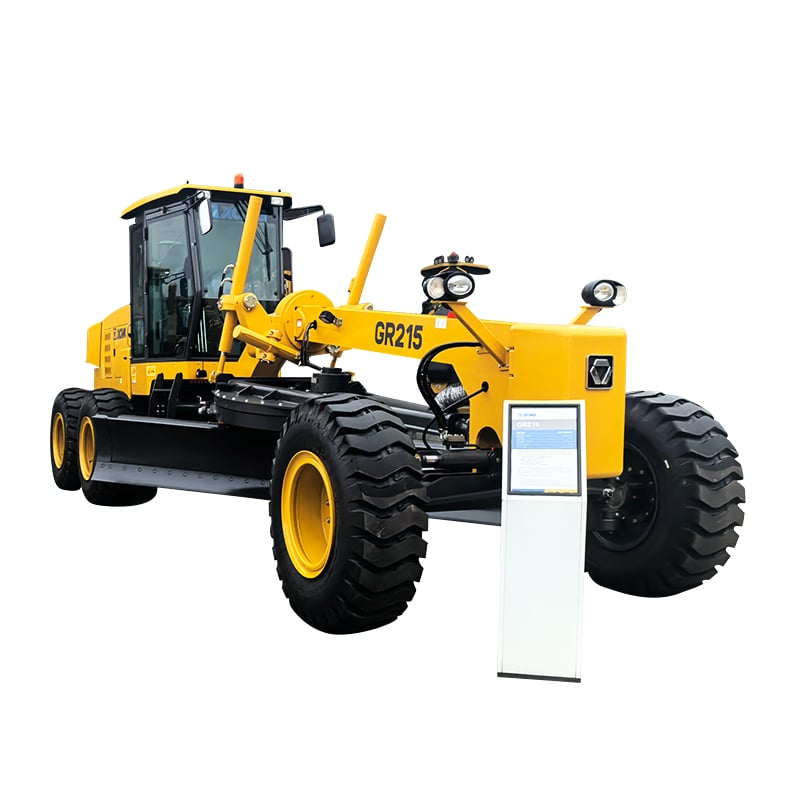
Tractor fuel efficiency directly influences operational profitability, making it essential for fleet managers and operators to understand the factors that impact consumption rates. A well-maintained grader performs efficiently, consuming less fuel while maintaining consistent productivity. Understanding these efficiency drivers allows businesses to reduce operating costs, extend equipment lifespan, and improve overall project margins. The relationship between grader condition, operator skill, and fuel consumption is fundamental to modern fleet management.
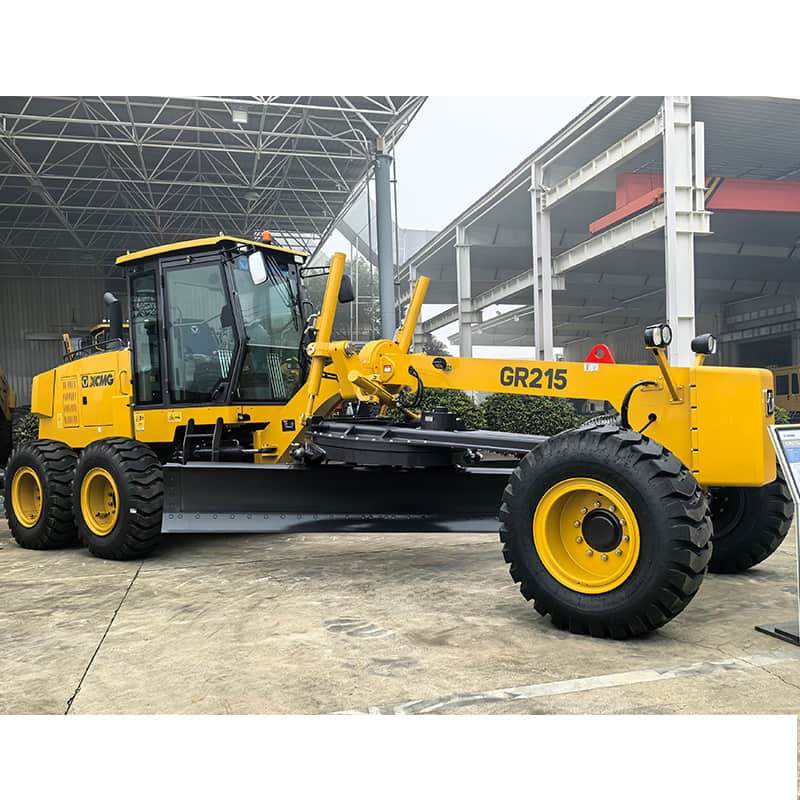
Fuel efficiency in grader operations depends on multiple interconnected variables ranging from equipment maintenance schedules to soil conditions and operator experience. A grader that lacks proper servicing will demand more engine power, burn additional fuel, and deliver inferior results. This comprehensive analysis examines the primary factors affecting grader fuel economy, helping organizations optimize their equipment performance and reduce unnecessary fuel expenditure across their fleet operations.
Grader Engine Maintenance and Fuel Efficiency
Regular Service and Fuel Consumption
Engine maintenance directly affects how efficiently a grader operates. A grader with clean fuel filters, properly functioning injectors, and well-maintained air filters consumes significantly less fuel than a neglected unit. When a grader engine accumulates carbon deposits or operates with degraded fuel filters, combustion becomes inefficient, forcing the engine to work harder and burn more fuel to produce the same output. Routine oil changes, filter replacements, and system checks keep your grader running at peak efficiency.
The grader's fuel injection system requires particular attention because it directly meters fuel into the engine. A malfunctioning grader injector causes uneven combustion, incomplete fuel burning, and wasted fuel consumption. Scheduling preventive inspections allows technicians to identify and correct grader injection problems before they significantly impact operational costs. Many operators notice a 10–15% improvement in grader fuel consumption within the first operating week after comprehensive engine servicing.
Transmission and Hydraulic System Performance
A grader's transmission efficiency substantially influences overall fuel consumption because the engine must work against transmission resistance when power is transferred to the wheels. Properly maintained hydraulic fluids and transmission oil reduce internal friction, allowing the grader to move more freely and consume less fuel. Old or contaminated transmission fluid increases drag, forcing the engine to burn more fuel to maintain the same speed or working intensity on the grader blade.
Hydraulic system leaks are particularly damaging to grader efficiency. When a grader loses hydraulic pressure through leaks, the operator must compensate by increasing engine throttle, directly increasing fuel consumption. Regular inspection of hoses, seals, and connections ensures that your grader maintains optimal hydraulic pressure, allowing the engine to operate at lower RPMs while delivering adequate working force to the blade and moldboard.
Operator Practices and Grader Fuel Economy
Speed Control and Workload Management
Operator skill significantly impacts how much fuel a grader consumes during daily operations. Experienced operators understand that maintaining steady, moderate speeds reduces fuel consumption compared to frequent acceleration and deceleration patterns. A grader operated at consistent speeds with proper blade positioning burns substantially less fuel than a grader piloted by an inexperienced operator who rides the throttle and adjusts blade height erratically throughout the day.
The grader's engine efficiency curve means fuel consumption per hour is minimized within a specific RPM range, typically 60–75% of maximum engine speed. Operators trained to maintain this optimal range achieve superior grader fuel economy. Excessive idling, unnecessary engine racing, and overloading the grader blade all escalate fuel demand. Organizations that invest in operator training consistently report 15–20% reductions in grader fuel consumption across their fleet.
Blade Positioning and Material Resistance
How an operator positions and angling of the grader blade directly affects the resistance the engine must overcome. A grader blade positioned too aggressively into material forces unnecessary drag, requiring the engine to consume more fuel to maintain forward progress. Conversely, an experienced operator knows how to angle the grader blade to cut material efficiently while minimizing resistance and fuel demand.
Material type and moisture content also play roles in grader fuel consumption. Wet soil requires a grader engine to work harder than dry material because moisture creates greater resistance. A grader working in flooded or muddy conditions will naturally consume more fuel than the same grader operating on dry terrain. Operators must adjust grader blade angles, depths, and speeds based on material conditions to maintain optimal fuel efficiency while still completing work quality standards.
Equipment Design and External Operating Conditions
Tire Pressure, Weight, and Rolling Resistance
A grader's tire pressure directly influences rolling resistance and fuel consumption rates. Underinflated tires on a grader increase surface area contact with the ground, creating greater friction and requiring more engine fuel to move forward. Properly inflated tires reduce rolling resistance, allowing the grader to operate more efficiently. Fleet managers should verify grader tire pressure before each shift because pressure changes with temperature and workload variations throughout the operational day.
The total weight of the grader, including any implements or attachments, affects fuel consumption proportionally. A grader carrying unnecessary equipment or materials burns more fuel than one configured for the specific task. Similarly, grader ballast or weight added for traction in certain conditions increases fuel demand. The relationship between grader weight and efficiency requires careful assessment based on operational requirements and material types being moved.
Environmental and Terrain Factors
Environmental conditions profoundly influence how much fuel a grader requires for standard operations. Temperature extremes reduce engine efficiency because cold engines operate with richer fuel mixtures and warm engines may have cooling system demands. A grader working in high-altitude regions operates less efficiently because thinner air reduces oxygen availability for combustion, requiring richer fuel mixtures. Grades and slopes also impact grader fuel consumption significantly because the engine must work harder to climb or maintain control during descent.
Dust and debris present another efficiency factor for grader operations. An air filter clogged with dust forces a grader engine to work harder, restricting airflow and reducing combustion efficiency. Regular inspection and cleaning of the grader's air filtration system maintains proper airflow and preserves fuel economy. Operations in extremely dusty environments may require more frequent air filter service to keep the grader running efficiently.
FAQ
How often should I service my grader to maintain fuel efficiency?
Service intervals depend on your grader's usage hours and operating conditions, but most manufacturers recommend a grader service every 250–500 operating hours or quarterly, whichever comes first. High-dust environments or intense operations may require a grader to be serviced more frequently. Regular maintenance prevents a grader from developing inefficiencies that increase fuel consumption, ensuring your equipment continues operating at peak efficiency and protecting your investment in fuel costs.
Can operator training really reduce grader fuel consumption?
Yes, operator training is one of the most cost-effective ways to improve grader fuel efficiency. Trained operators understand optimal speed ranges, proper blade positioning, and smooth acceleration techniques that keep a grader running efficiently. Studies show that a grader operated by a trained operator consumes 15–20% less fuel than the same grader operated by an untrained driver. Training also reduces wear on the grader, extending service intervals and lowering total operational costs beyond just fuel savings.
Does tire pressure really affect grader fuel economy?
Tire pressure has a measurable impact on grader rolling resistance and fuel consumption. Underinflated tires on a grader increase surface contact area, creating friction that forces the engine to work harder. A properly inflated grader maintains lower rolling resistance, allowing the engine to operate more efficiently and consume less fuel. Checking grader tire pressure before each shift is a simple practice that can improve fuel efficiency by 2–5% with virtually no cost to implement.