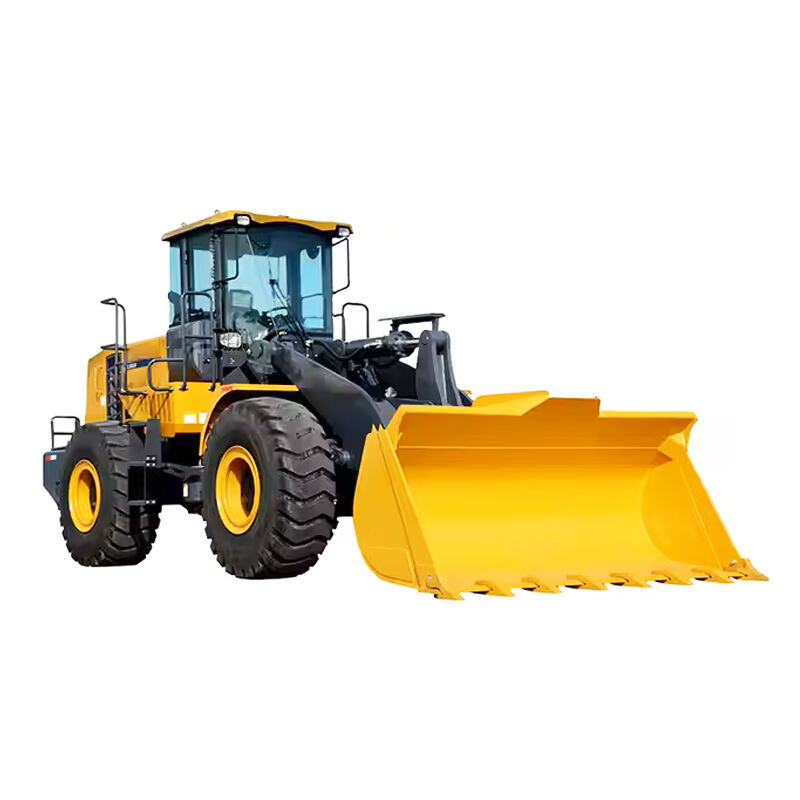
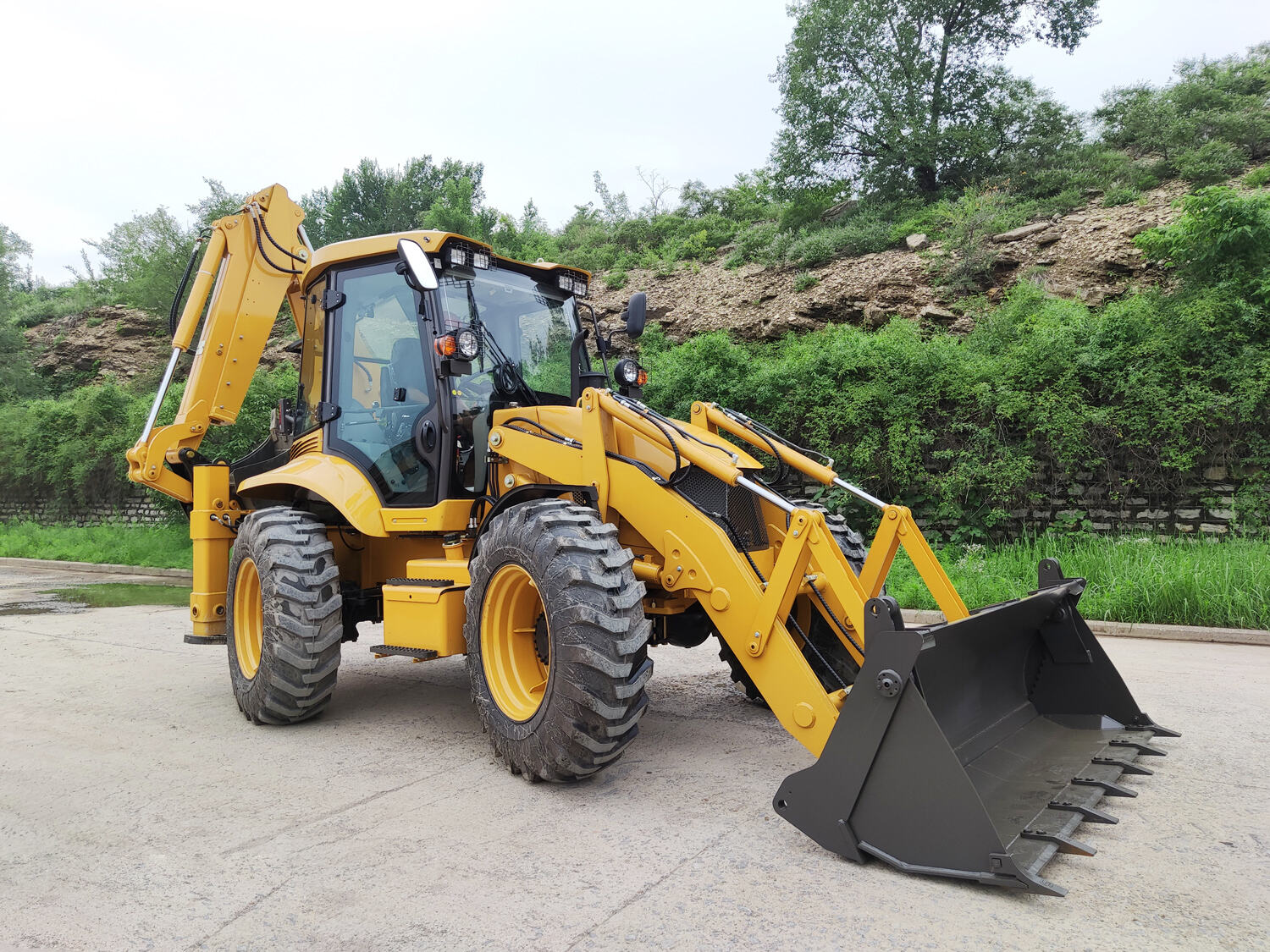
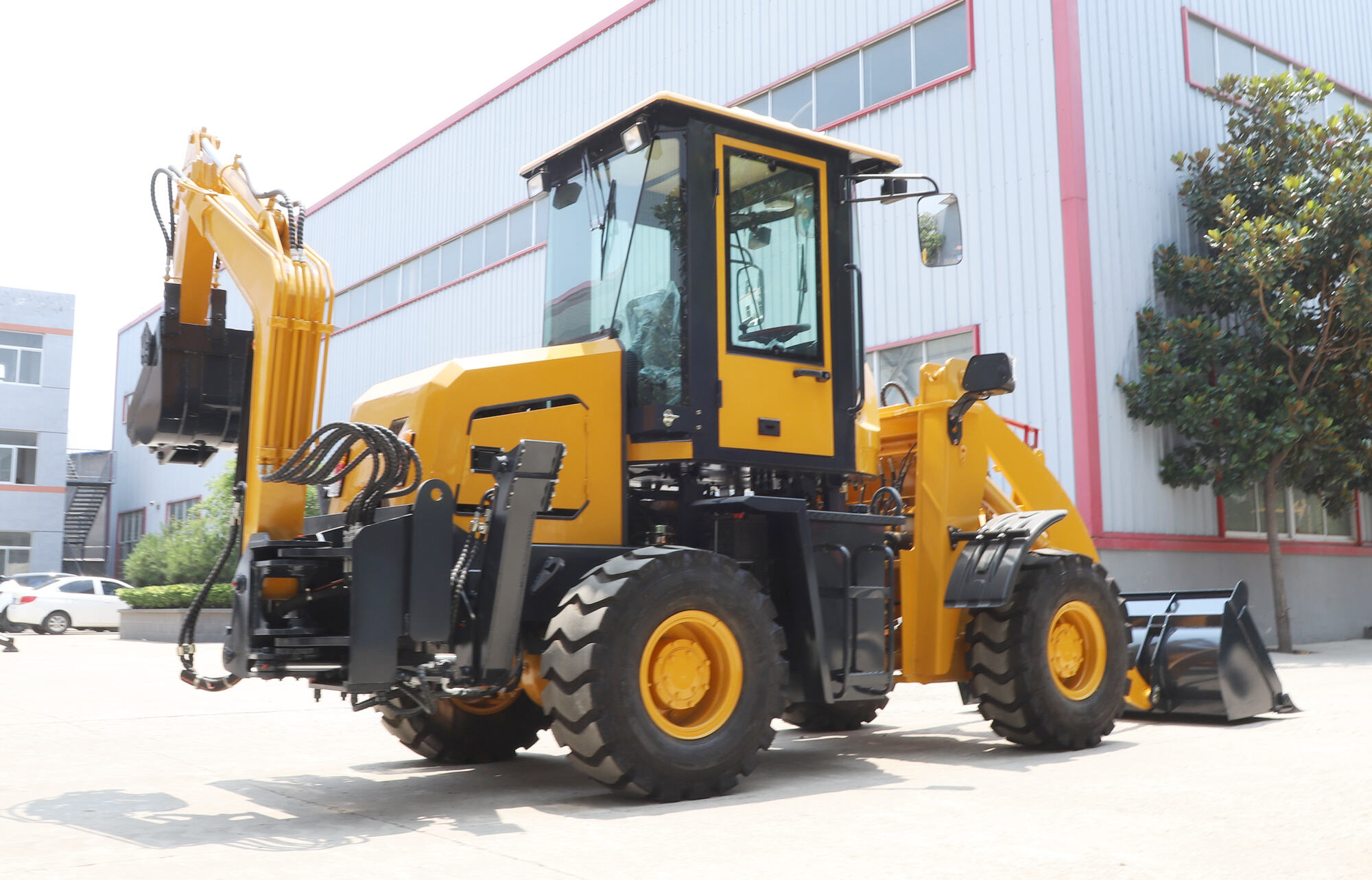
We are a premier global supplier of essential construction and material handling equipment. The wheeled loader is a fundamental product in our catalog, serving a vast array of industries. We provide models from compact utility units to massive mining loaders, ensuring our clients have the right size and power for their specific applications. Our support system is designed to keep these high-utilization machines productive, with readily available parts and service expertise worldwide.
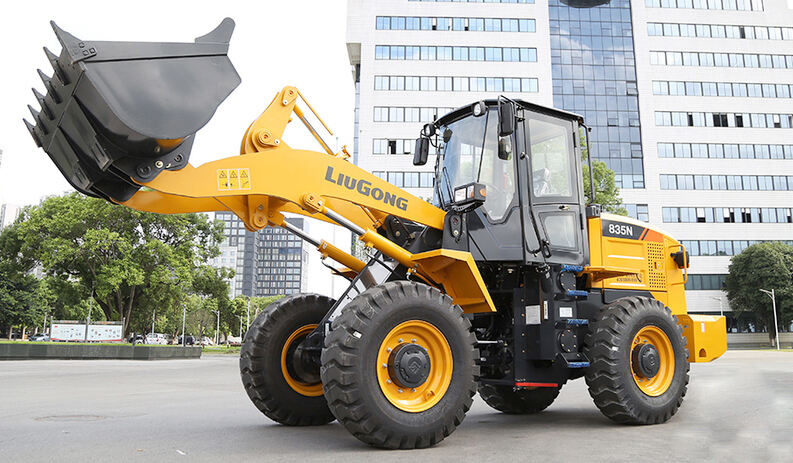
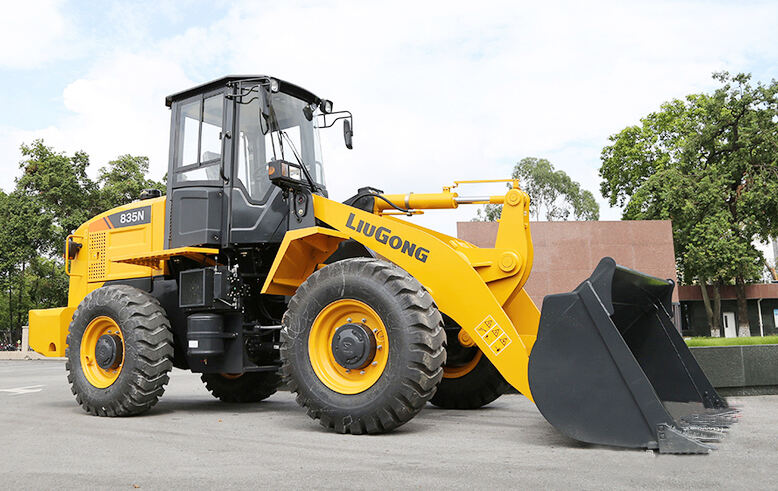
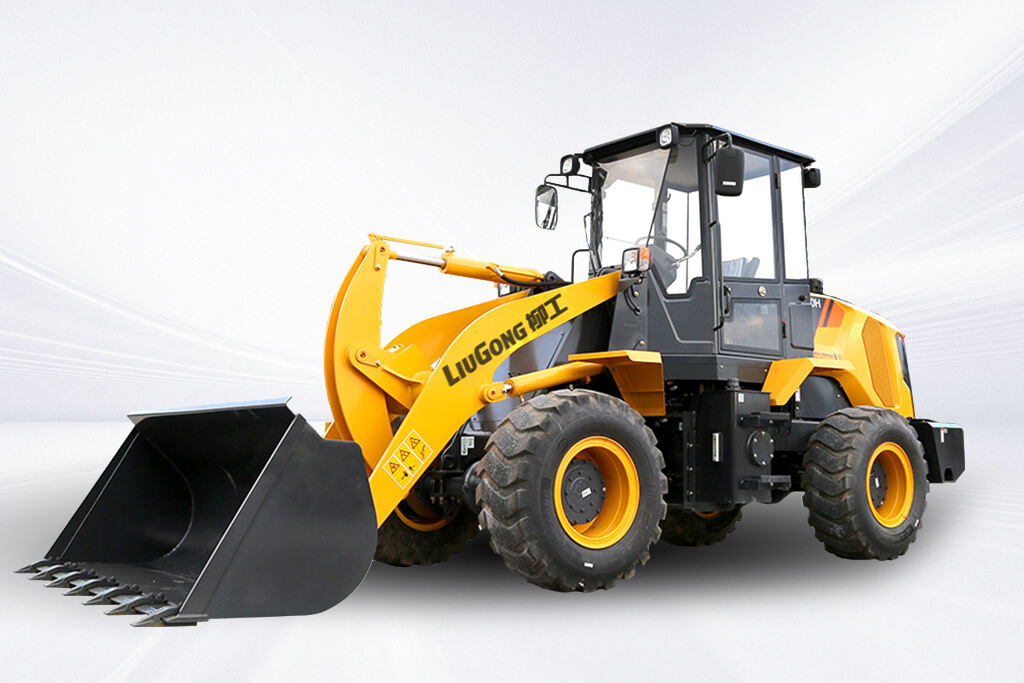
The wheeled loader is the quintessential material handling machine, a symbol of power and efficiency on virtually any worksite. Its design is a masterclass in balancing raw force with precise control, enabling it to tackle the most demanding digging, loading, and lifting tasks. The enduring success and versatility of the wheeled loader are built upon three fundamental engineering principles: the Articulated Frame Steering, the Four-Wheel Drive Powertrain, and the Hydraulic System with High Breakout Force.
The Articulated Frame Steering is the defining feature that grants the wheeled loader its remarkable agility. Unlike a vehicle with traditional steering that turns only the front wheels, an articulated loader's entire machine is split into two sections—a front section holding the boom and bucket, and a rear section containing the engine, cab, and transmission. These two sections are connected by a massive central pivot, allowing the entire machine to hinge left and right. This design enables the loader to execute very sharp turns, often achieving a turning radius that is smaller than the machine's own length. This is invaluable for maneuvering in crowded construction sites, piles of material, or within mining pits. Furthermore, this articulation allows for "crabbing," where the machine can move slightly sideways, which is useful for aligning with trucks or hoppers. The steering is typically Full Hydraulic Steering, providing smooth, responsive, and powerful control with minimal operator effort, even when the machine is stationary or under heavy load.
The raw power to perform its duties comes from a Four-Wheel Drive Powertrain. This system is crucial for maintaining traction in challenging, often loose and uneven underfoot conditions. The heart of the powertrain is a high-torque Diesel Engine coupled with a Torque Converter. The torque converter acts as a fluid coupling that multiplies engine torque, providing the massive initial force needed to push into a pile and break material free. This power is then transferred through a robust transmission, often a Planetary Transmission known for its strength and ability to handle high torque loads, which drives all four wheels simultaneously. This permanent 4WD configuration ensures that power is always delivered to the ground, providing exceptional Traction and Gradeability, allowing the loader to climb steep grades and operate confidently in mud, snow, or sand without becoming stuck. The combination of engine power, torque multiplication, and all-wheel traction is what generates the machine's formidable Ripping Load capacity.
The tool that interfaces with the material is controlled by the Hydraulic System with High Breakout Force. This system powers the boom arms that lift and the linkage that tilts the bucket. The key performance metric here is High Breakout Force—the downward force the bucket can exert to penetrate and pry out a compacted material pile. This is achieved through powerful hydraulic pumps and cylinders specifically engineered to generate immense pressure. Modern systems often use Load-Sensing Hydraulics, which automatically match hydraulic flow and pressure to the demand of the work function, improving efficiency and reducing fuel consumption. The operator controls this immense power with precision via Pilot Hydraulic Controls. These joysticks use low-pressure hydraulic signals to actuate the main high-pressure valves, resulting in smooth, effortless, and proportional control over all bucket and lift functions. Features like Auto-Leveling ensure the bucket maintains a constant angle during lifting to prevent material spillage, while Lift Limiters prevent over-raising and potential damage. This sophisticated hydraulic system transforms the engine's power into precise, controllable force at the bucket teeth, making the wheeled loader an incredibly productive and versatile tool.

 EN
EN