 EN
EN
We have a deep technical understanding of the equipment we sell. We appreciate the importance of robust loader construction and its impact on performance and longevity. We select our products based on engineering excellence and proven design principles. We educate our clients on what makes a durable machine, helping them look beyond specifications to understand the quality of construction that will determine their total cost of ownership and satisfaction over the years.
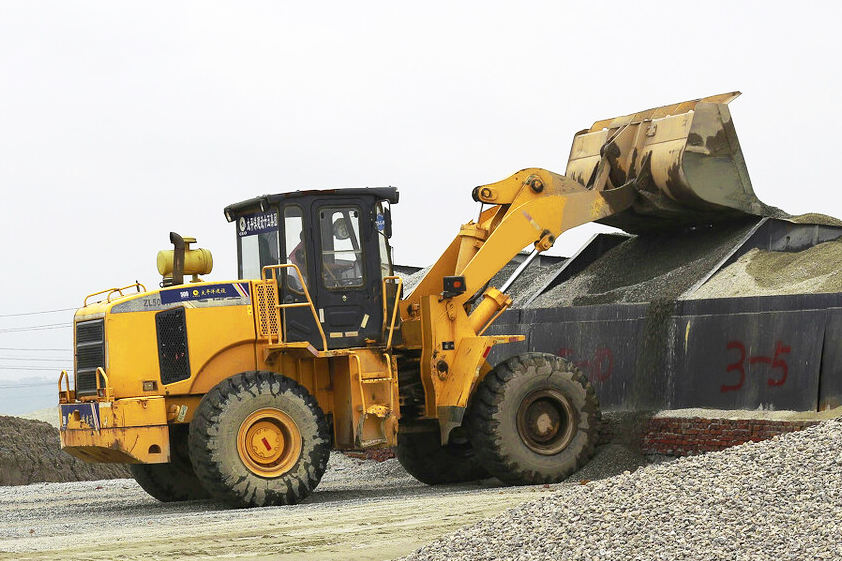
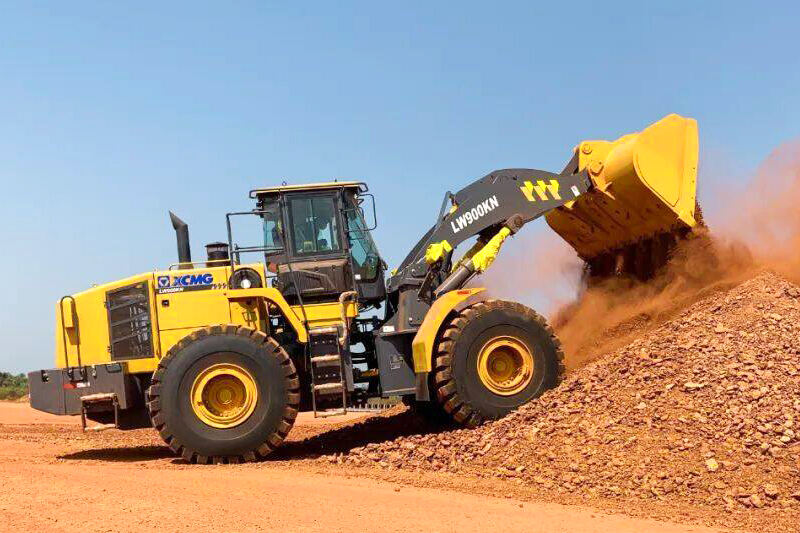
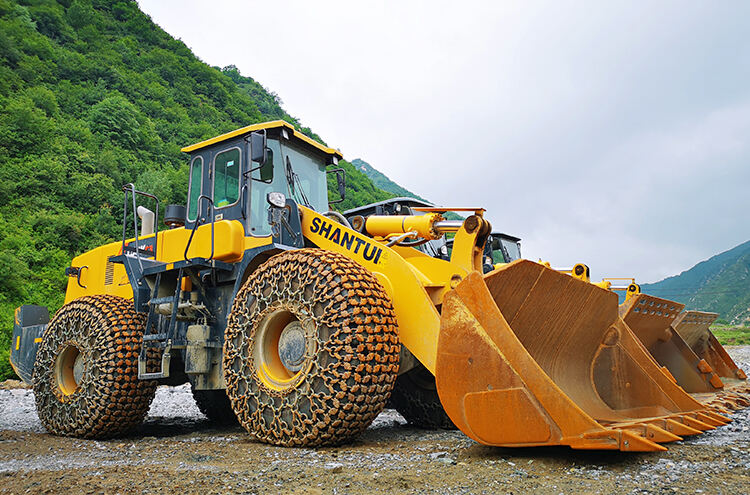
The construction of a wheel loader is a complex process of integrating heavy-duty mechanical, hydraulic, and structural systems into a cohesive, durable, and high-performing machine. It is not merely an assembly of parts but an exercise in engineering where every component is designed to work in harmony under extreme stress. The robustness of a loader's construction is the primary determinant of its longevity and reliability. This can be appreciated by examining the build of three critical subsystems: the Chassis and Articulation Framework, the Powertrain and Drivetrain Assembly, and the Loader Linkage and Hydraulic Integration.
The foundation of the machine is the Chassis and Articulation Framework. This is not a single unit but two main structures: the robust rear frame and the equally strong front frame. These are typically constructed from high-strength, low-alloy steel plates that are cut, pressed, and welded into box-section members to achieve maximum strength with controlled weight. The quality of the welding is paramount, with critical joints often subjected to non-destructive testing to ensure integrity. The two frames are connected at the Articulated Joint, which is a masterpiece of heavy-duty engineering. This joint consists of a massive, hardened steel pivot pin that rides within large slewing rings or bronze bushings. This entire assembly is designed to handle immense twisting (torsional) forces as the machine articulates and works on uneven ground, all while providing a smooth and reliable steering pivot point. The construction of this frame must resist metal fatigue over thousands of hours of operation, making material choice, design, and manufacturing quality absolutely critical.
The Powertrain and Drivetrain Assembly is the heart of the loader's mobility and power. This system is constructed as a modular but interconnected set of components. The Diesel Engine is mounted on isolators to minimize vibration transfer to the frame. It is directly coupled to the Torque Converter, a sealed unit that requires precise alignment during installation. The output from the torque converter feeds into the Planetary Transmission, a complex assembly of gears and clutches housed in a rugged casing. The construction of the transmission focuses on heat dissipation and the ability to handle shock loads. From the transmission, drivelines—comprising heavy-duty tubes and universal joints—transfer power to the front and rear Planetary Axles. These axles are themselves miniature powerhouses, containing differentials and final drives that further multiply torque. The entire drivetrain is built for strength and reliability, with components designed for easy access and serviceability, such as bolt-on final drive hubs that can be replaced without removing the entire axle.
The work function of the loader is handled by the Loader Linkage and Hydraulic Integration. The linkage arms (boom and bellcrank) are typically fabricated from solid steel plate or cast from high-strength alloy for complex shapes. They are connected to the frame and to each other using massive, hardened steel pins and bushings designed to withstand wear. The hydraulic system is fully integrated into this structure. The Hydraulic Cylinders (lift and tilt) are mounted between the frame and the linkage. These are double-acting cylinders with large piston diameters to generate the required force. The hydraulic pumps are driven directly off the engine and are plumbed via reinforced hoses and steel tubes to a bank of control valves, which are often stacked together in a "valve bank" for compactness. The entire hydraulic system is constructed to operate at high pressures (often over 5,000 psi) with minimal leaks. The integration point is the bucket, attached via a Quick Coupler mechanism that allows for the use of various tools. The construction of this entire system focuses on maximizing strength-to-weight ratio, ensuring precise movement, and facilitating maintenance, with grease points (zerks) installed on every pivot to ensure longevity.