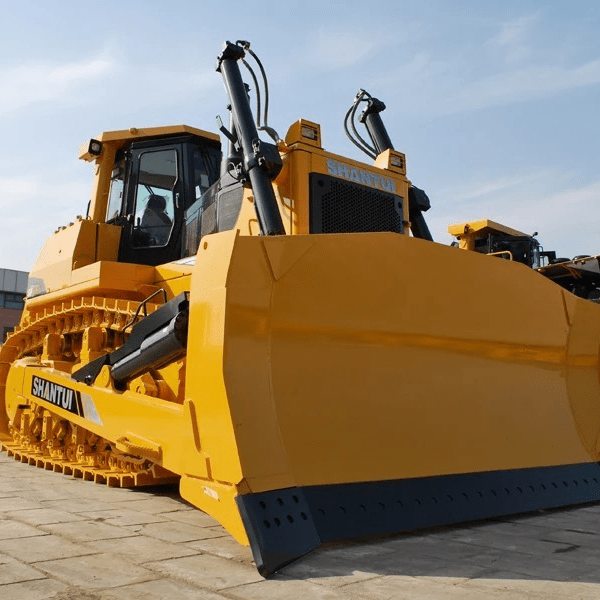
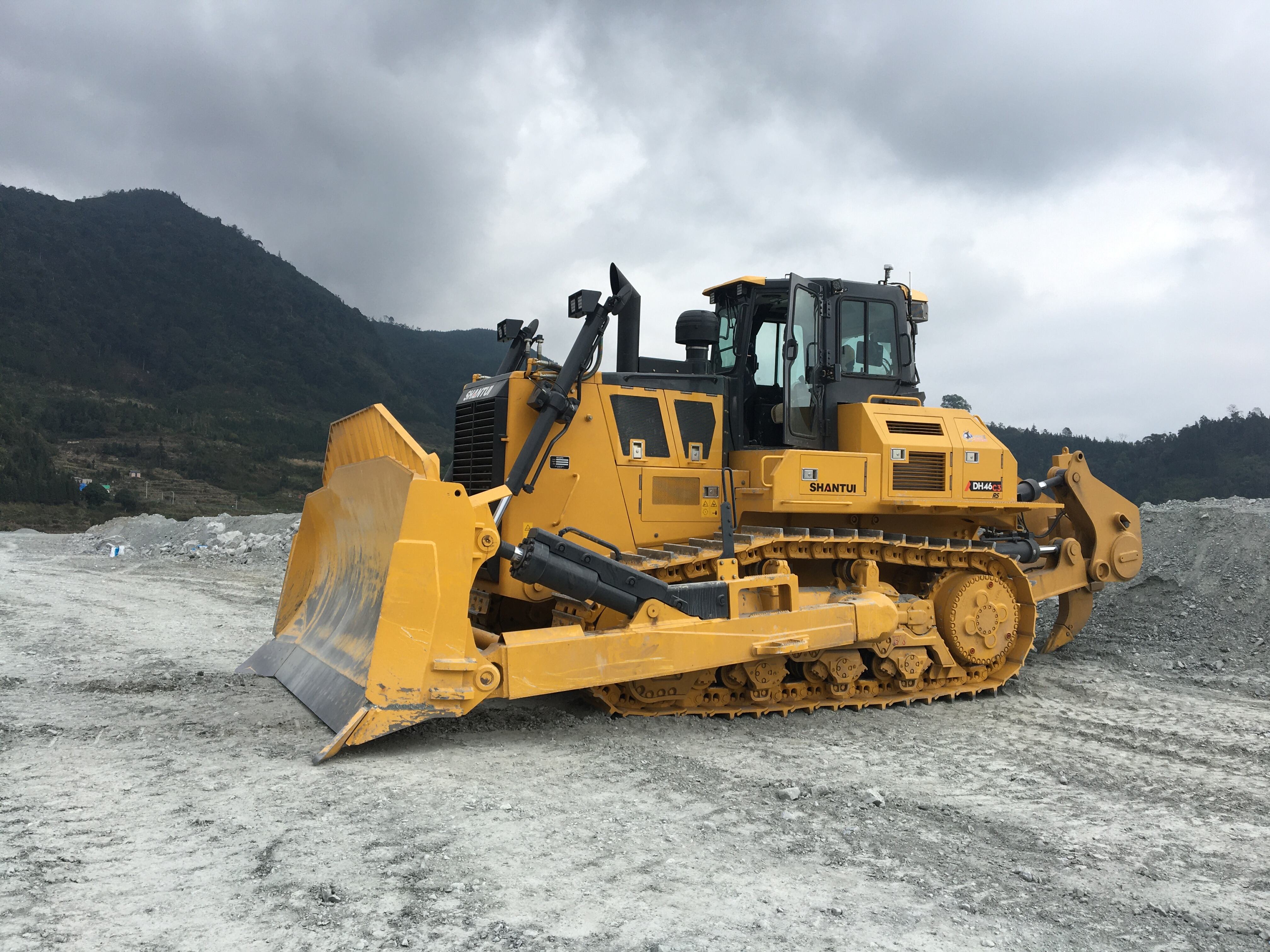
The "largest grader in the world" is a feat of engineering, designed to tackle projects of a scale that is difficult to comprehend. Machines like the Caterpillar 24M are not just tools; they are transformative assets for the mining and major construction industries. Three characteristics that fundamentally define these behemoths are their Heavy-duty chassis structure, their powerful diesel engine, and the integration of advanced GPS automatic control systems.
Firstly, the Heavy-duty chassis structure is the bedrock of this machine's capability. Unlike standard graders, the chassis on the world's largest grader is a massively reinforced box-section design, constructed from high-strength steel alloys to withstand unimaginable stresses. It must support the immense weight of the machine itself, often exceeding 150,000 pounds, while also absorbing the brutal shocks and torsional forces encountered when the moldboard bites into rocky, compacted ground. The long, flat deck is crucial as it provides a stable platform far behind the moldboard, allowing the machine to maintain a consistent grade over a longer wheelbase. This design minimizes pitching and ensures the blade follows the intended contour smoothly. The articulation joint is also super-sized and engineered with heavy-duty pins and bearings, allowing the two frame halves to pivot under extreme load without flexing or compromising structural integrity. This robust foundation is non-negotiable for durability and for providing the stable base required for precision grading.
Secondly, the heart of this colossal machine is its powerful diesel engine. We are discussing engines that can output well over 700 horsepower. This isn't just for high travel speeds; it's about delivering massive torque to the drivetrain and hydraulic systems. The engine must provide enough power to simultaneously drive all six massive tires—often via a robust powershift transmission and hydrodynamic drive system—and operate high-capacity hydraulic pumps that control the blade's movements. When the moldboard is fully loaded with heavy material, the engine's torque ensures the machine maintains momentum and doesn't stall, enabling it to cut and move vast volumes of earth in a single pass. This raw power is efficiently managed through sophisticated engine control modules that optimize fuel injection, balancing the immense power output with relatively good fuel efficiency for its size, ensuring that productivity is not hampered by excessive operating costs.
Finally, the sheer size of the machine would make precision impossible without its GPS automatic control system. Operating a grader of this scale manually to fine-grade specifications would be incredibly challenging due to its size and the operator's limited field of view. The integrated 3D GPS system uses a network of satellites and site plans to create a digital model of the desired terrain. Sensors on the grader's blade constantly relay its position and angle to an on-board computer, which automatically adjusts the blade's height, tilt, slope, and side shift via the hydraulic. This allows the operator to function as a supervisor, monitoring the system while the machine executes flawless, millimeter-accurate grades. This technology drastically reduces rework, saves immense amounts of time, and allows for the completion of projects with a level of speed and accuracy that was previously unattainable, truly justifying the existence and investment in such a monumental machine.

 EN
EN