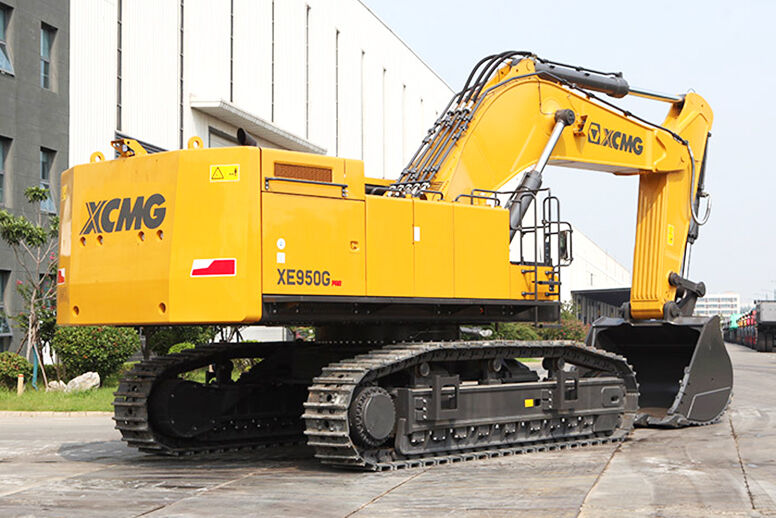
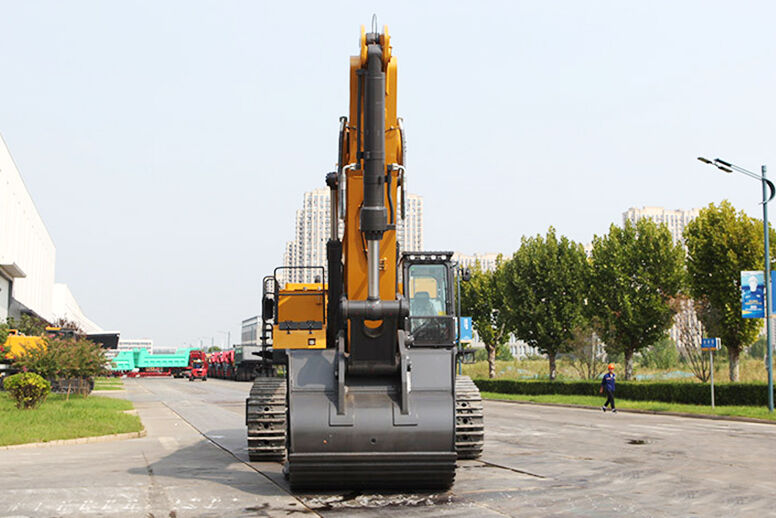
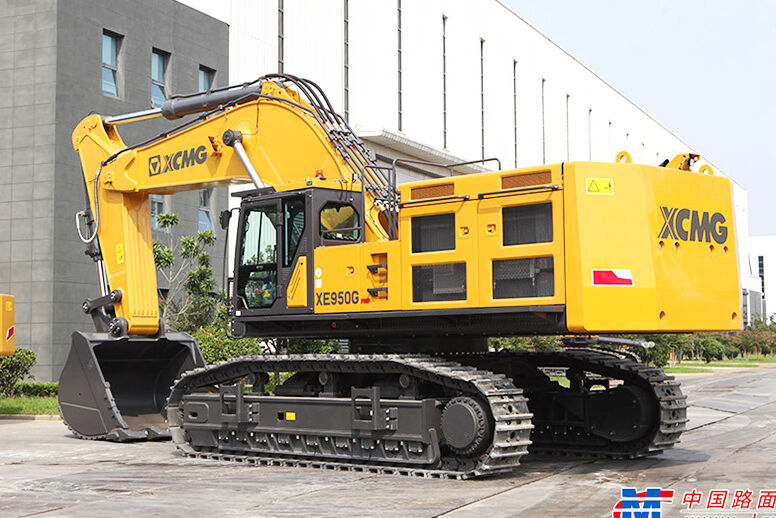
The deployment of a large excavator is a strategic decision reserved for projects where scale, power, and volume output are the primary objectives. The core functionality of a large excavator is centered on its ability to move immense amounts of material in the shortest time possible. This makes it the equipment of choice for application scenarios such as deep foundation digging for skyscrapers, major canal and waterway excavation, and the relentless earth removal required in open-pit mines. The sheer physical presence of a large excavator, with its significantly greater weight and dimensions, is its greatest asset. This weight provides the counterbalance needed to utilize its full hydraulic power for digging and lifting, while the larger track footprint distributes this weight, preventing the machine from sinking in unstable ground and providing the rock-solid stability required for safe and efficient operation under heavy strain. The productivity gains from using a single large excavator can often replace multiple smaller machines, reducing the complexity of on-site coordination and potentially lowering overall project costs despite the higher initial investment.
The technical configuration of a large excavator is a testament to heavy-duty engineering. Every component is amplified to withstand the incredible stresses of daily operation. The undercarriage is built with heavy-duty rollers, idlers, and track links, often with automatic lubrication systems to ensure longevity. The main hydraulic system is comprised of multiple high-capacity pumps that can deliver vast volumes of oil to the cylinders and motors, generating the massive forces needed for digging and swinging with a full load. Modern large excavators are also hubs of technology, featuring sophisticated engine management systems to comply with stringent emissions regulations (like EU Stage V) while optimizing fuel burn. Operator cabins are designed as command centers, with pressurized and air-conditioned environments, shock-absorbing suspension seats, and panoramic views. Many are equipped with integrated GPS and 3D machine control systems, allowing the large excavator to perform precision grading and excavation directly from digital design plans, eliminating stakes and reducing surveyor check times, which is a massive efficiency boost on large-scale sites.
However, the decision to utilize a large excavator comes with significant considerations beyond the impressive excavator price tag. The first is logistics; transporting a large excavator requires specialized low-loaders and often permits due to its weight and dimensions. The second is the operating environment; these machines require ample space to operate safely and effectively, making them unsuitable for confined or urban job sites. Ground conditions must also be assessed, as the immense ground pressure, despite being distributed over large tracks, can still be prohibitive on very soft soils. Furthermore, operating costs are substantial, encompassing high fuel consumption, expensive wear parts (like massive track chains and cutting edges), and the need for highly skilled operators. Therefore, selecting a large excavator is a major capital expenditure that must be justified by a sufficient volume of work that leverages its unique capabilities, ensuring a return on the investment.

 EN
EN