 EN
EN
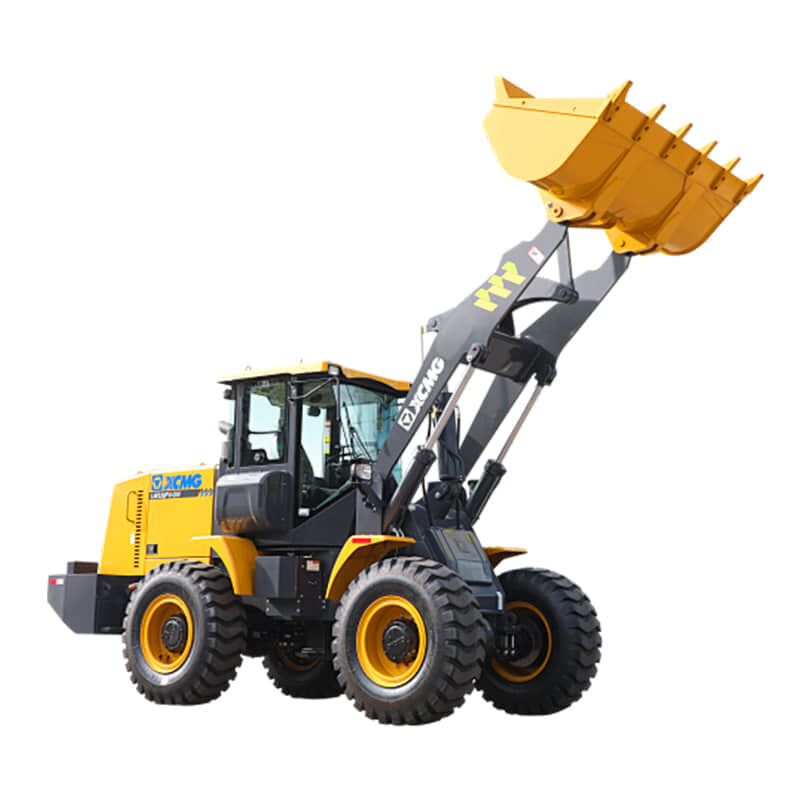
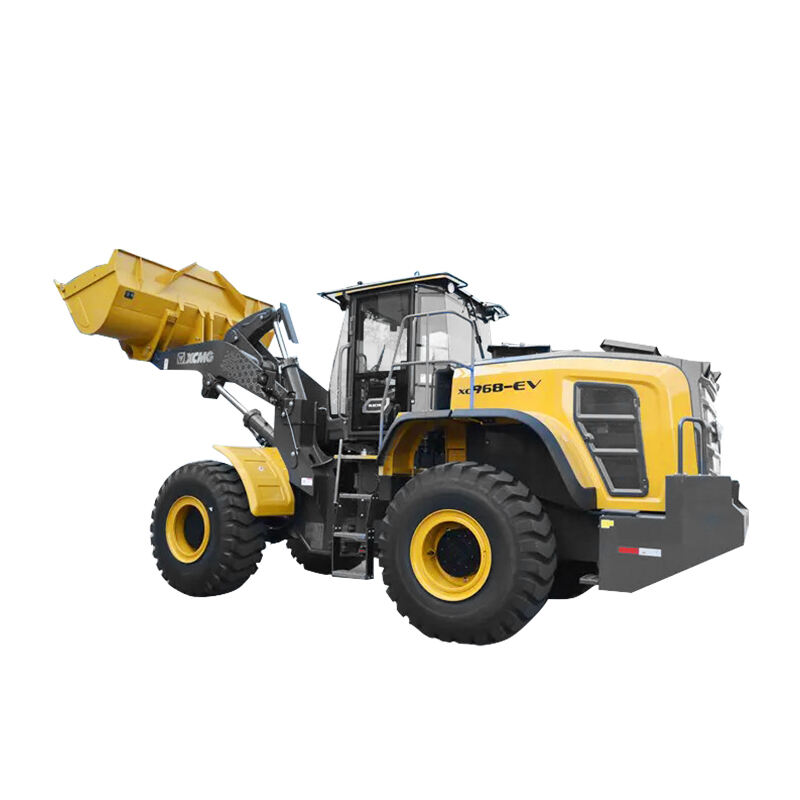
We operate in a league of our own when it comes to supplying the largest equipment on earth. The giant wheel loader is a symbol of this scale. Our clients are global mining corporations for whom equipment failure is not an option. We provide not only the machine but a full suite of support services, including predictive maintenance, around-the-clock technical support, and guaranteed parts availability. We are an integral partner in their quest for maximum production and efficiency.
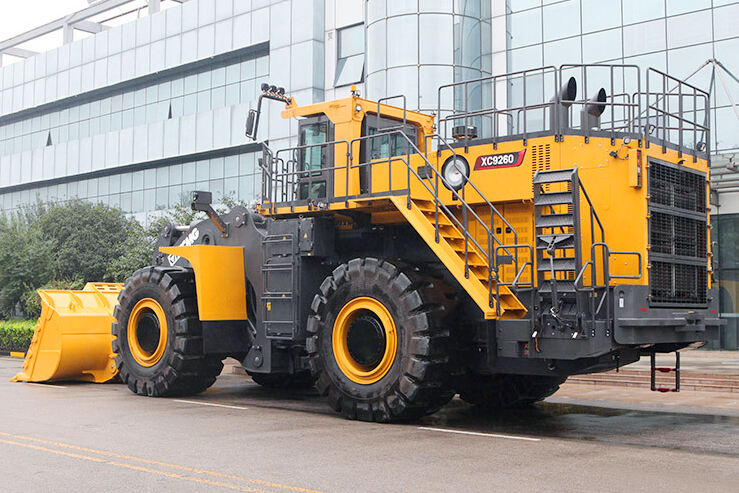
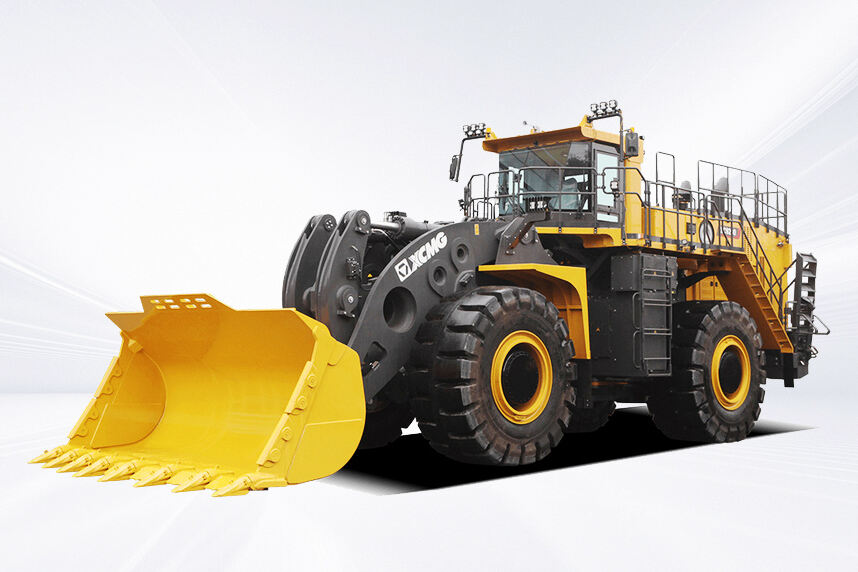
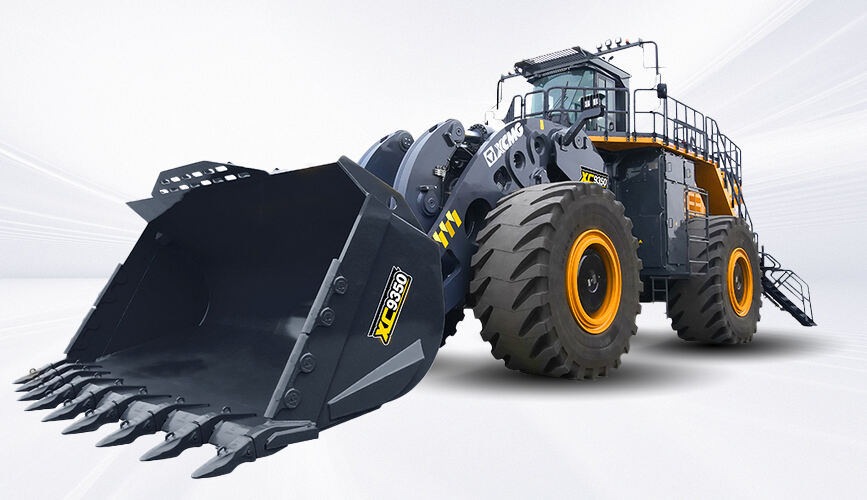
The Giant Wheel Loader exists at the intersection of monumental engineering and economic necessity. It is a tool designed for a specific market where moving billions of tons of material makes the efficiency gains from sheer scale financially compelling. These are not merely large machines; they are feats of engineering that push the boundaries of material science, hydraulics, and power management. The design and operation of a giant wheel loader are governed by three critical imperatives: Uncompromising Structural Durability, Maximized Power Delivery and Efficiency, and Supervised Control and Production Management.
Uncompromising Structural Durability is the non-negotiable foundation. Every component is designed and built to withstand forces that are orders of magnitude greater than those experienced by standard loaders. The main frame is a fabricated structure of immense proportions, using high-strength, abrasion-resistant steels to resist cracking and metal fatigue over decades of service. The articulation joint—the pivot point between the front and rear frames—is a masterpiece of heavy-duty engineering, employing massive forged pins and large-diameter slewing bearings to handle incredible torsional stresses. The loader linkage, almost always a robust Z-bar design, is built to generate and withstand astronomical Breakout Forces needed to fragment and dig through blasted rock. The buckets are not just large; they are fortresses of steel, equipped with replaceable wear lips, side cutters, and liner plates to extend service life in highly abrasive conditions. This focus on durability has one goal: maximize availability and minimize unscheduled downtime, which is catastrophically expensive in a mining operation.
The goal of moving material at the lowest cost per ton requires Maximized Power Delivery and Efficiency. Giant loaders are equipped with engines that have power outputs comparable to locomotives. This power must be delivered smoothly to the ground. This is often achieved through advanced drive systems. While some use heavily reinforced mechanical drivetrains, many of the largest models employ diesel-electric or electric drive systems. In a diesel-electric setup, the diesel engine drives a generator, which powers electric motors connected to the wheels. This system provides several key advantages: it delivers instant, precise torque to each wheel for optimal Traction; it eliminates the need for a complex mechanical transmission and drivelines that are difficult to build at this scale; and it allows for energy regeneration during braking. The hydraulic systems are similarly scaled, using multiple high-pressure pumps to provide the flow needed for fast, powerful movement of the massive lift and tilt cylinders. Sophisticated cooling systems are vital to manage the immense heat generated by this concentration of power.
Managing this concentration of power and value falls to Supervised Control and Production Management. The operator of a giant wheel loader is more a manager of a automated process than a simple driver. The cab is a elevated, climate-controlled, ROPS/FOPS certified command center with Panoramic Visibility over the loading area. The controls, while still physical joysticks, are often part of a larger computer-assisted system. Payload Management Systems are critical, accurately weighing the load in the bucket in real-time to ensure each haul truck is filled to its precise target capacity, optimizing the efficiency of the entire haul fleet. Machine Health and Production Monitoring systems constantly track every aspect of the loader's performance—from cycle times and fuel burn to component temperatures and diagnostic codes—relaying this information wirelessly to fleet managers. This data allows for predictive maintenance, operation optimization, and ensures that the machine's immense capabilities are being utilized to their fullest potential. The operator is assisted by features like automated return-to-dig, making the cycle more consistent and efficient. This level of supervision turns the giant wheel loader from a brute force tool into a finely tuned production asset.