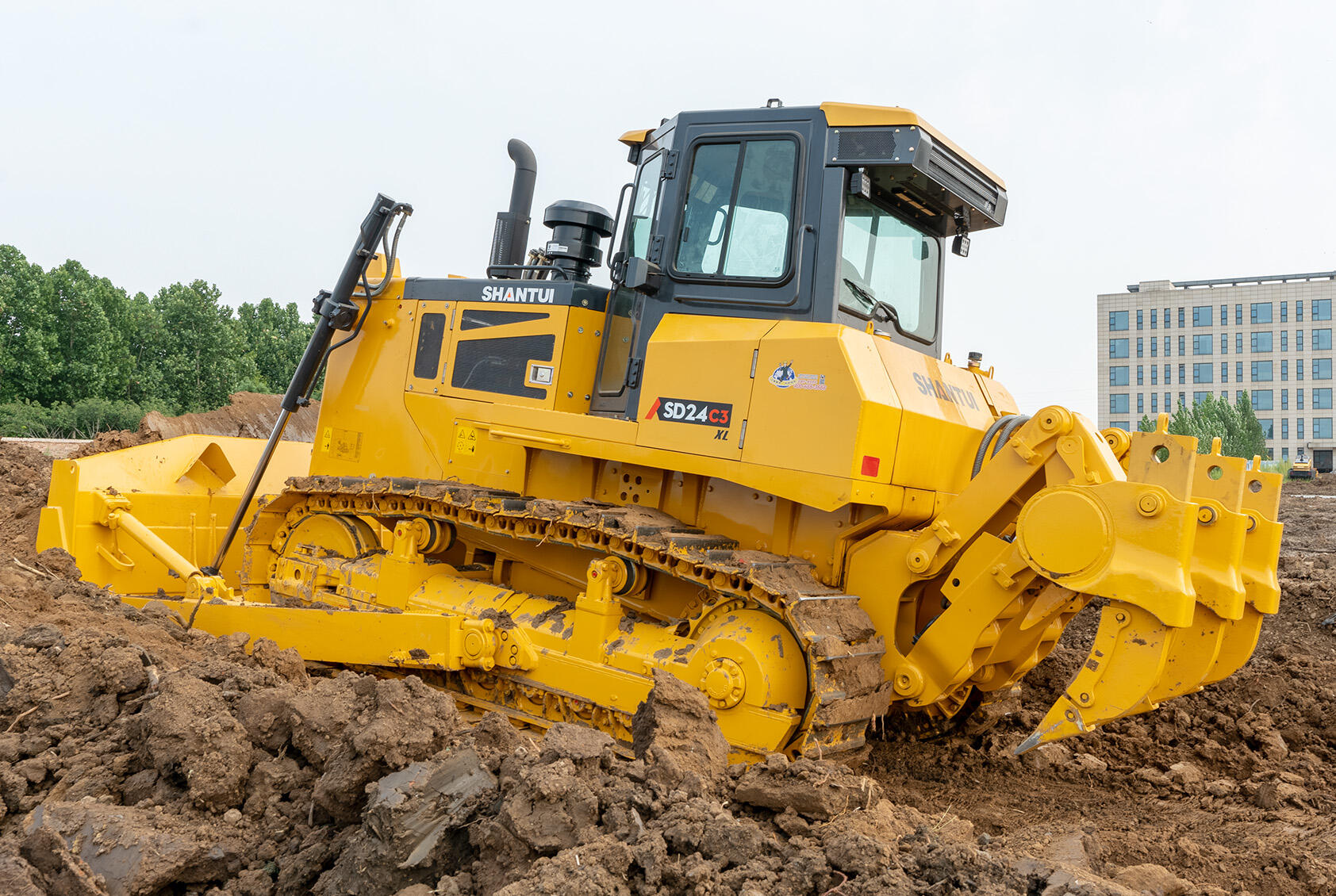
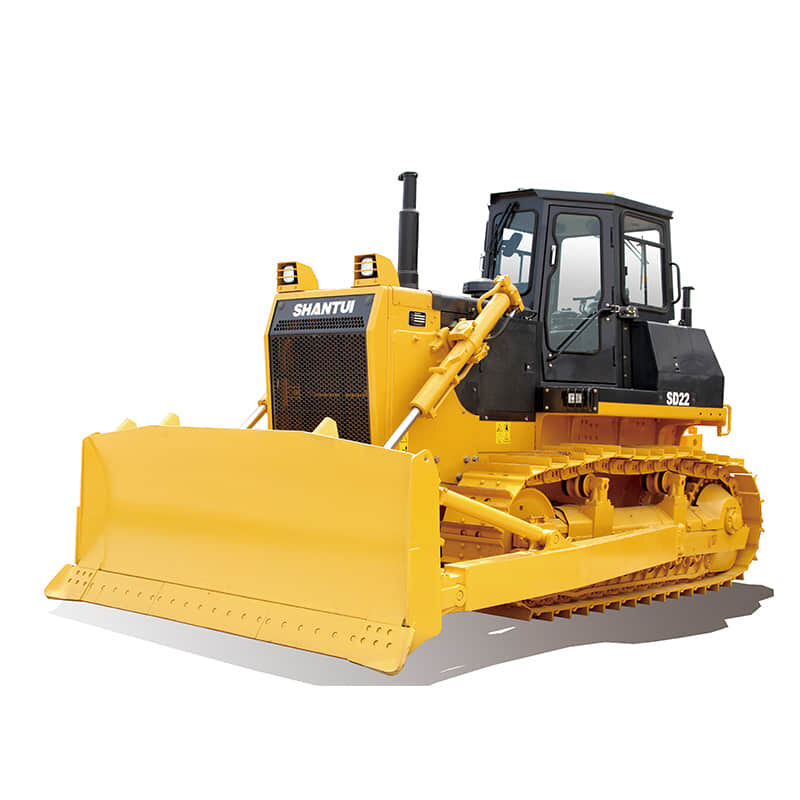
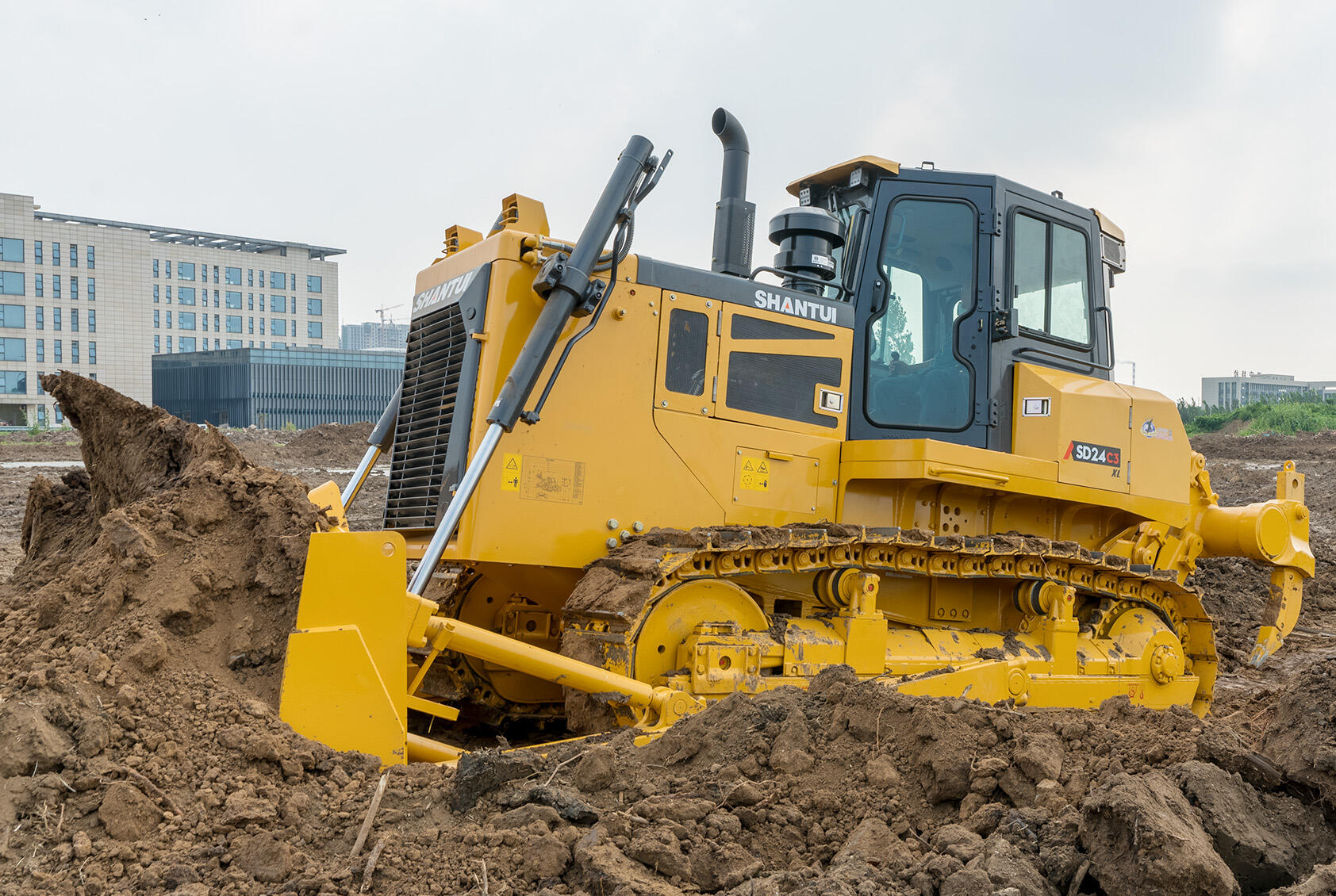
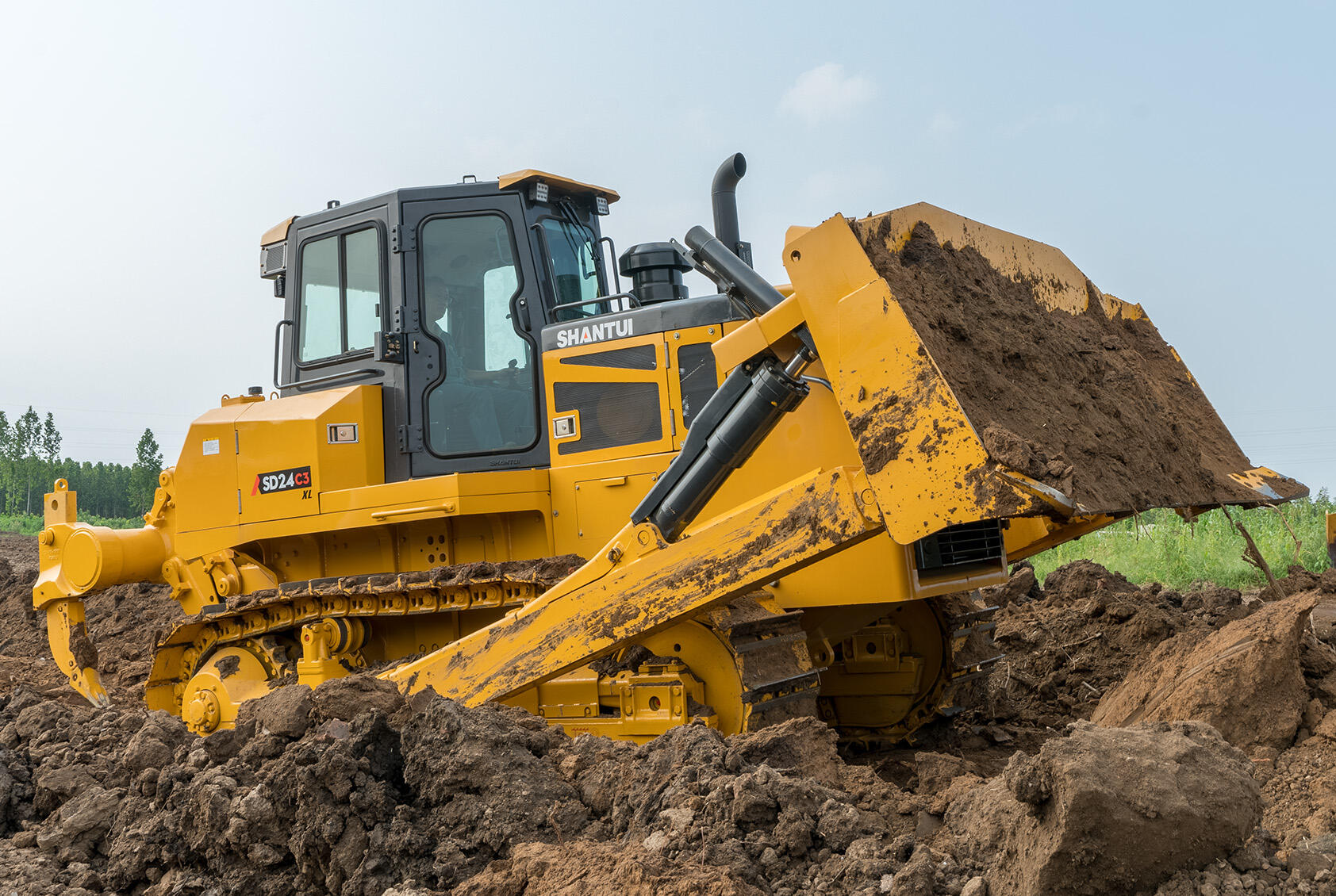
At the heart of the dozer market lies the classic dilemma faced by many buyers: new versus used. New bulldozers come with cutting-edge technology, full manufacturer warranties, and heightened reliability. They embody the latest advancements in engine performance, operator comfort, and operational efficiency, appealing to large-scale contractors and mining companies with rigorous uptime demands. The higher up-front cost of new machines is offset over time by reduced maintenance expenses and improved fuel efficiency, making them a long-term asset on heavy-duty projects.
Conversely, the used bulldozer market offers significant cost savings and accessibility. Well-maintained used machines can fulfill the needs of small to mid-sized projects effectively, providing flexibility in budget-constrained situations or short-term engagements. However, purchasing used equipment entails informed due diligence—evaluating machine history, usage intensity, maintenance records, and current mechanical condition. Hour meter readings serve as an initial gauge, yet the operational context—whether the equipment was employed in harsh mining conditions or lighter civil works—profoundly affects machine wear and performance.
Expert inspections by seasoned technicians are indispensable to verify the health of critical components such as the engine, hydraulic systems, undercarriage, and blade structures. Hidden damages, leaks, or previously repaired structural issues can greatly impact total cost of ownership and reliability, underscoring the importance of professional appraisal services before purchase.
The choice of purchasing channels plays a critical role as well. Buying from reputable dealerships often provides added security in the form of warranties and customer support, whereas auctions or private sales may offer lower prices but involve higher risks and less post-sale support.
In addition to individual machine considerations, market dynamics such as regional demand, economic climate, and equipment availability influence pricing and selection. New construction booms push prices upward, while downturns may saturate the market with affordable used options. Seasonal and geographic factors also affect transport logistics and final acquisition costs.
From a buyer’s perspective, securing a "Dozer for Sale" that matches project scope, budget, and operational expectations is a multi-faceted process combining financial analysis, risk assessment, and technical evaluation. The ultimate goal remains to secure a reliable, cost-effective machine that contributes positively to project outcomes and offers favorable lifecycle value.
In summary, the bulldozer sales market is diverse and complex, extending well beyond simple price tags. Successful procurement demands comprehensive market knowledge, thorough machine evaluations, and strategic purchase planning to balance performance, cost, and risk. Whether opting for brand-new industry-leading models or well-maintained used equipment, buyers must navigate this ecosystem intelligently to achieve optimal results.

 EN
EN