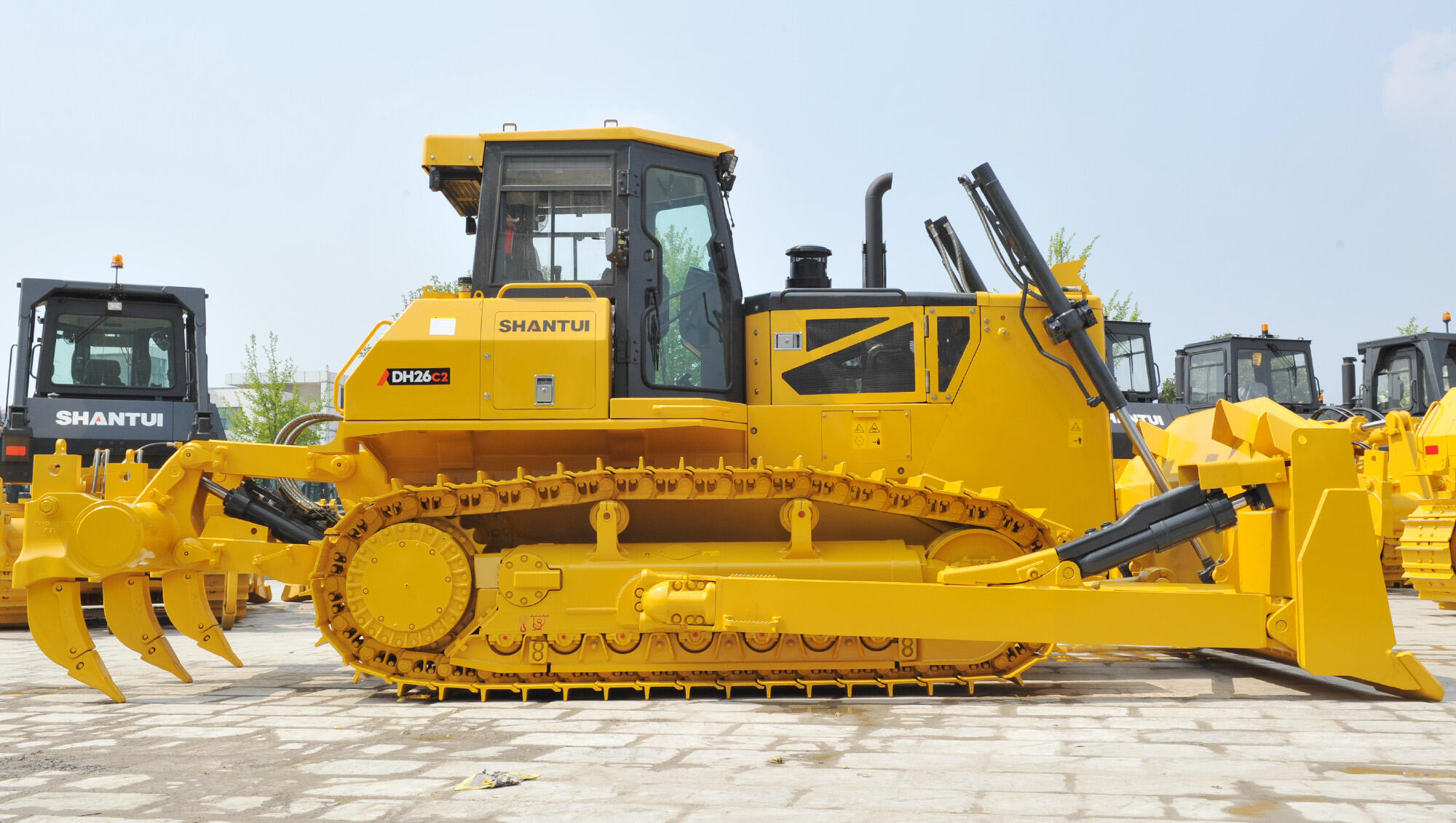
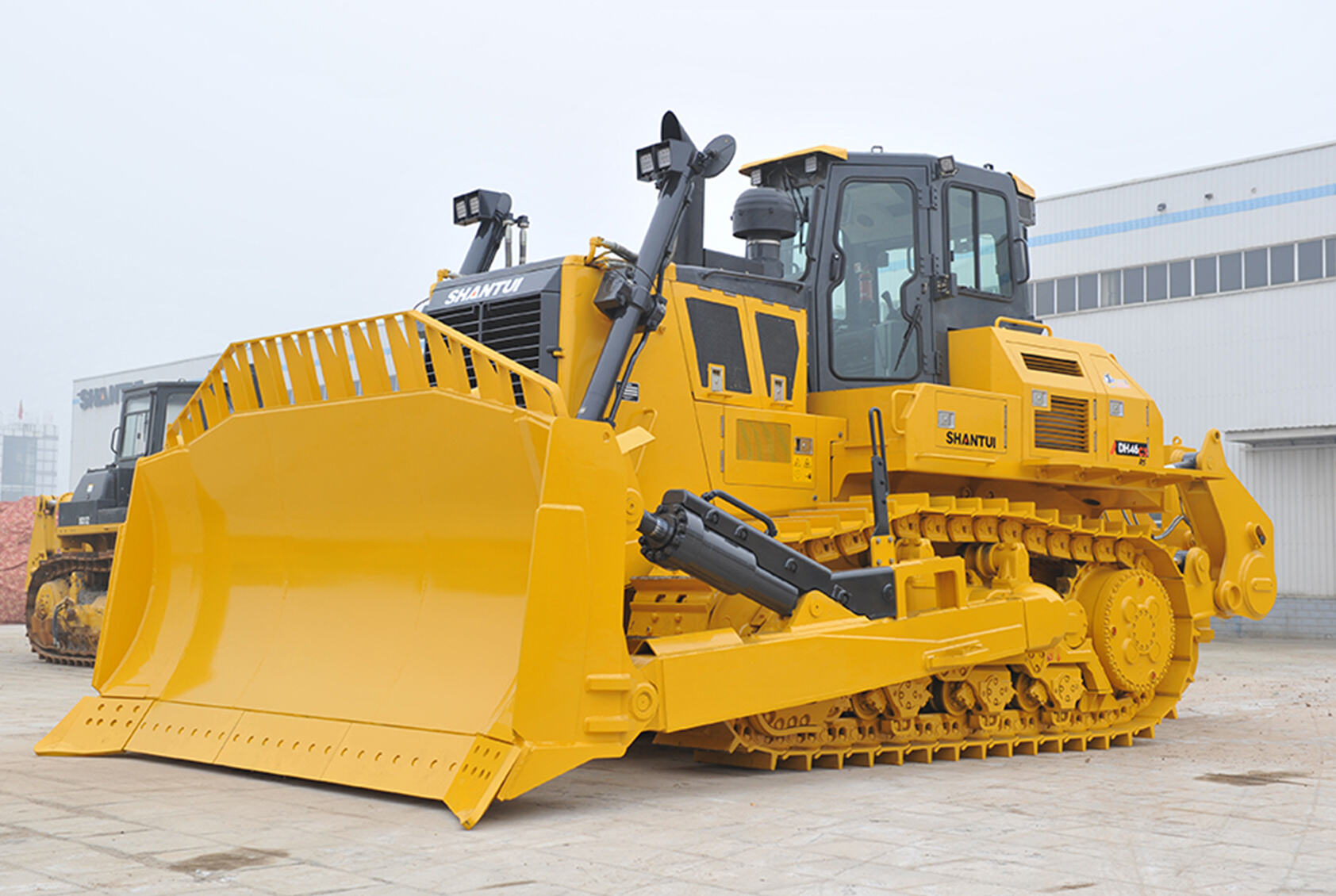
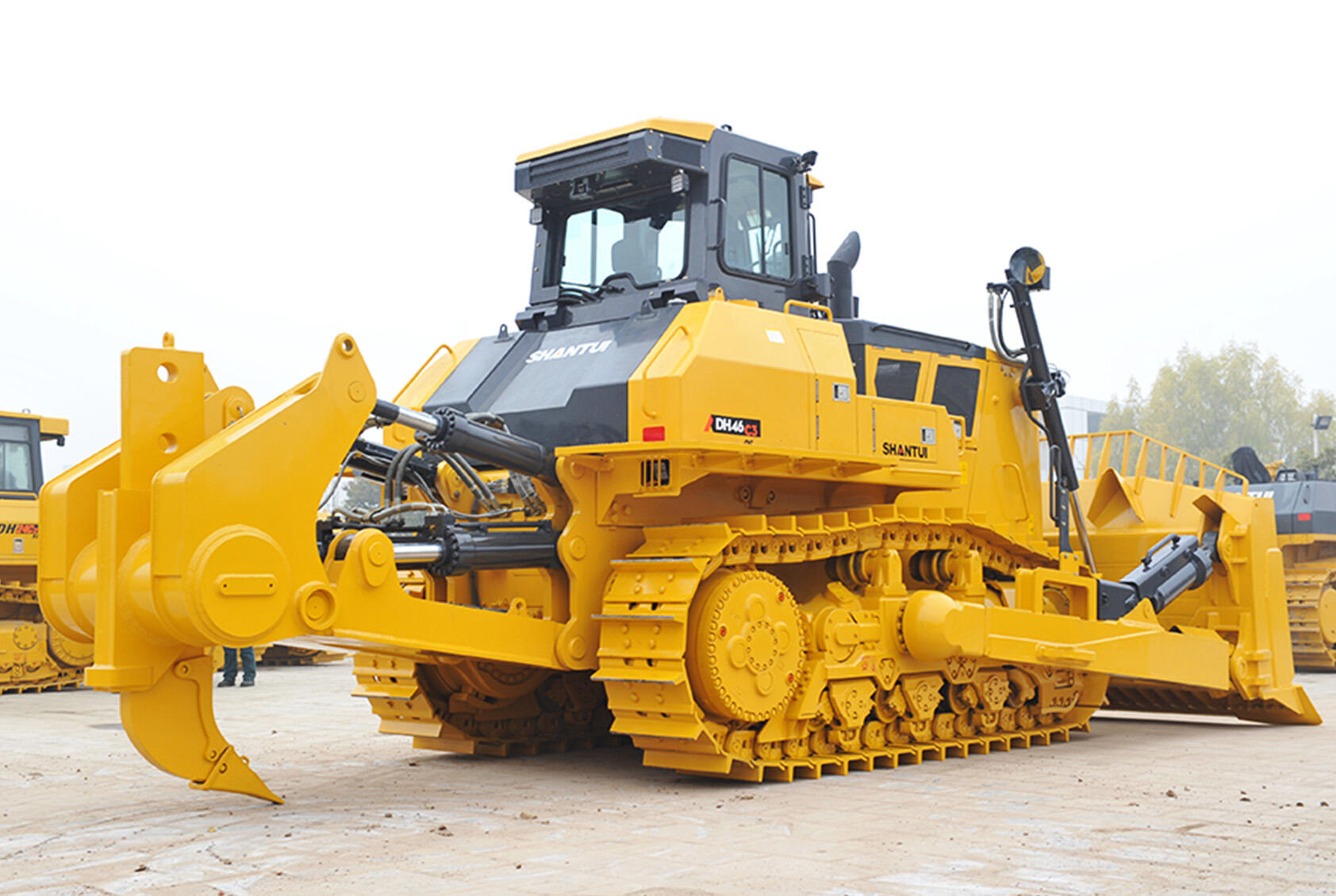
At the heart of bulldozer pricing lies brand value. Premium manufacturers like Caterpillar, Komatsu, and John Deere command higher prices driven by their reputation for outstanding reliability, technological innovation, extensive global parts and service networks, and strong resale value. These brands invest heavily in developing engines that meet stringent emissions regulations, advanced automation and telematics, and operator comfort features that enhance productivity and safety. The premium paid reflects not just the machine itself but the assurance of reduced downtime, extended service intervals, and sustained operational output in the most demanding environments.
Conversely, economy brands and smaller models offer lower upfront costs but may lack some advanced features or have higher operational and maintenance expenses. While their initial purchase price appeals to budget-conscious buyers, it is crucial to evaluate the long-term implications regarding fuel efficiency, downtime risks, and component wear rates, as these factors can significantly affect overall project costs.
Machine specifications present another critical layer affecting bulldozer price. Larger models with higher horsepower, heavier weight, and advanced blades or attachments inherently cost more due to the demands of manufacturing and the materials used. Optional equipment such as GPS-based grade control, high-precision hydraulic systems, or reinforced undercarriage components add further cost but also enhance capability and reduce operational risks.
Market dynamics further complicate bulldozer pricing. Prices for new machines include the base model cost plus expenses for configured options, shipping, insurance, and applicable taxes or tariffs. The secondary market for used bulldozers has its own pricing mechanism based on machine condition, hours of service, maintenance history, and local demand. Economic factors such as infrastructure investment booms drive up prices, while downturns often flood the market with discounted used options.
Regional pricing differences arise from varying transportation costs, taxes, import duties, and dealer network strength. Buyers should consider these variables alongside compliance with local emissions and safety regulations, as equipment might require costly modifications.
A crucial consideration is calculating the total cost of ownership, which extends beyond purchase price to include fuel consumption, routine maintenance, repairs, operator training, insurance, and disposal or resale value. Sophisticated buyers perform detailed cost-benefit analyses to understand the effective cost per operational hour, ensuring capital expenditures translate into maximized project profitability.
In summary, “bulldozer price” encapsulates a multifaceted economic and technical discussion. Informed buyers will look beyond sticker price and carefully scrutinize brand, specifications, market conditions, and lifecycle costs. By understanding these components, procurement professionals can negotiate better deals, select machines offering optimal value propositions, and ultimately enhance project outcomes through strategic equipment investment.

 EN
EN