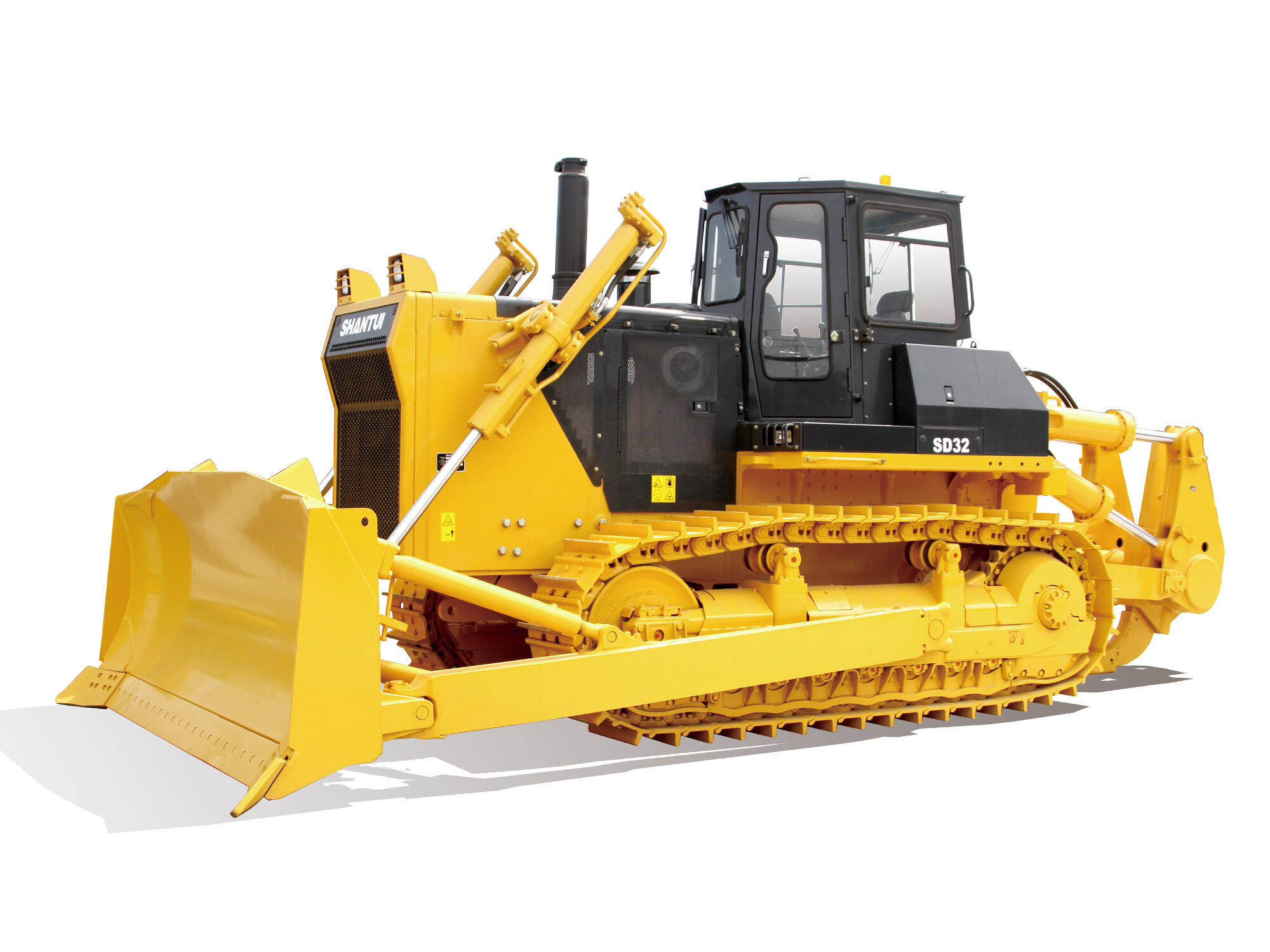
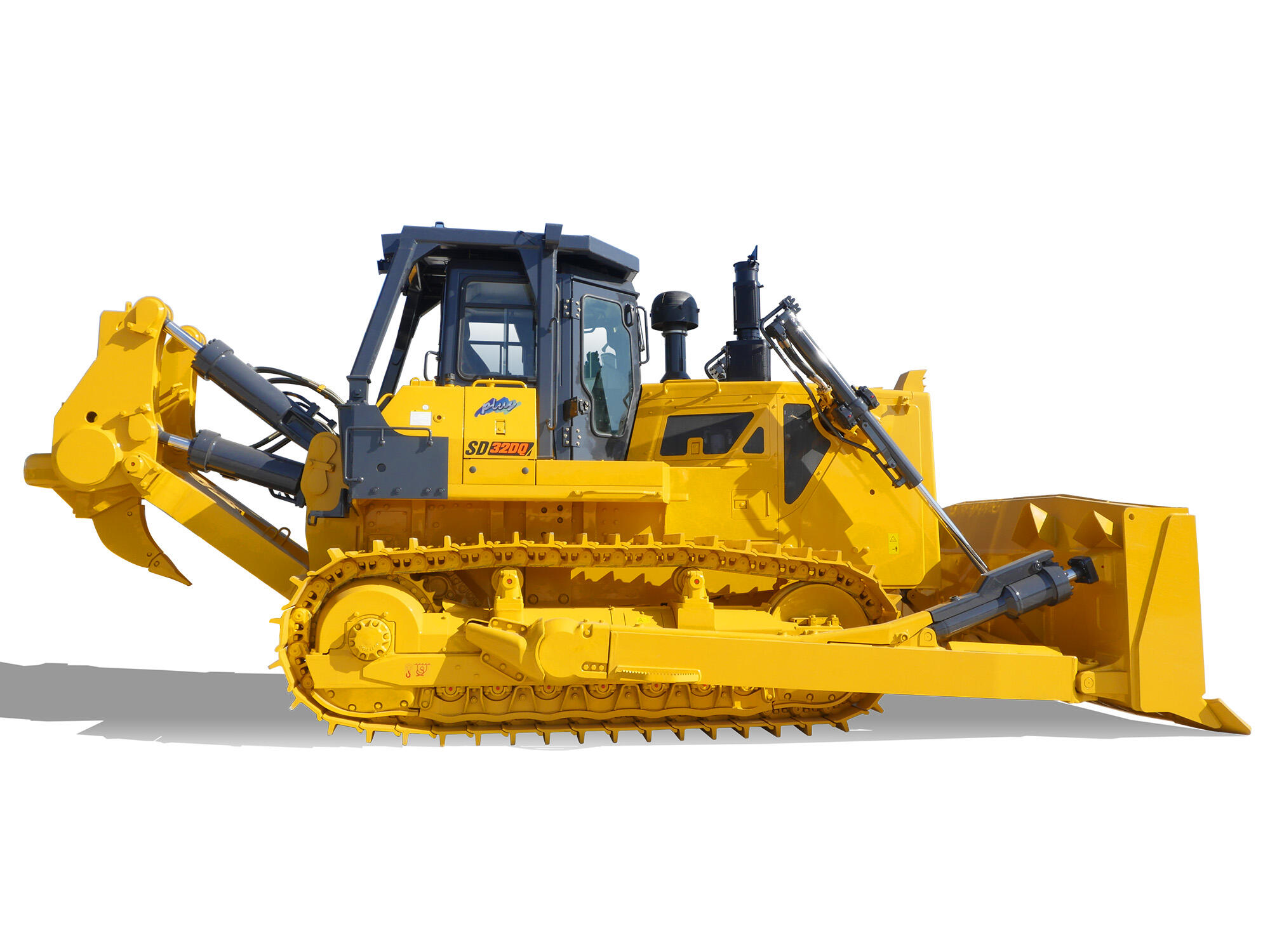
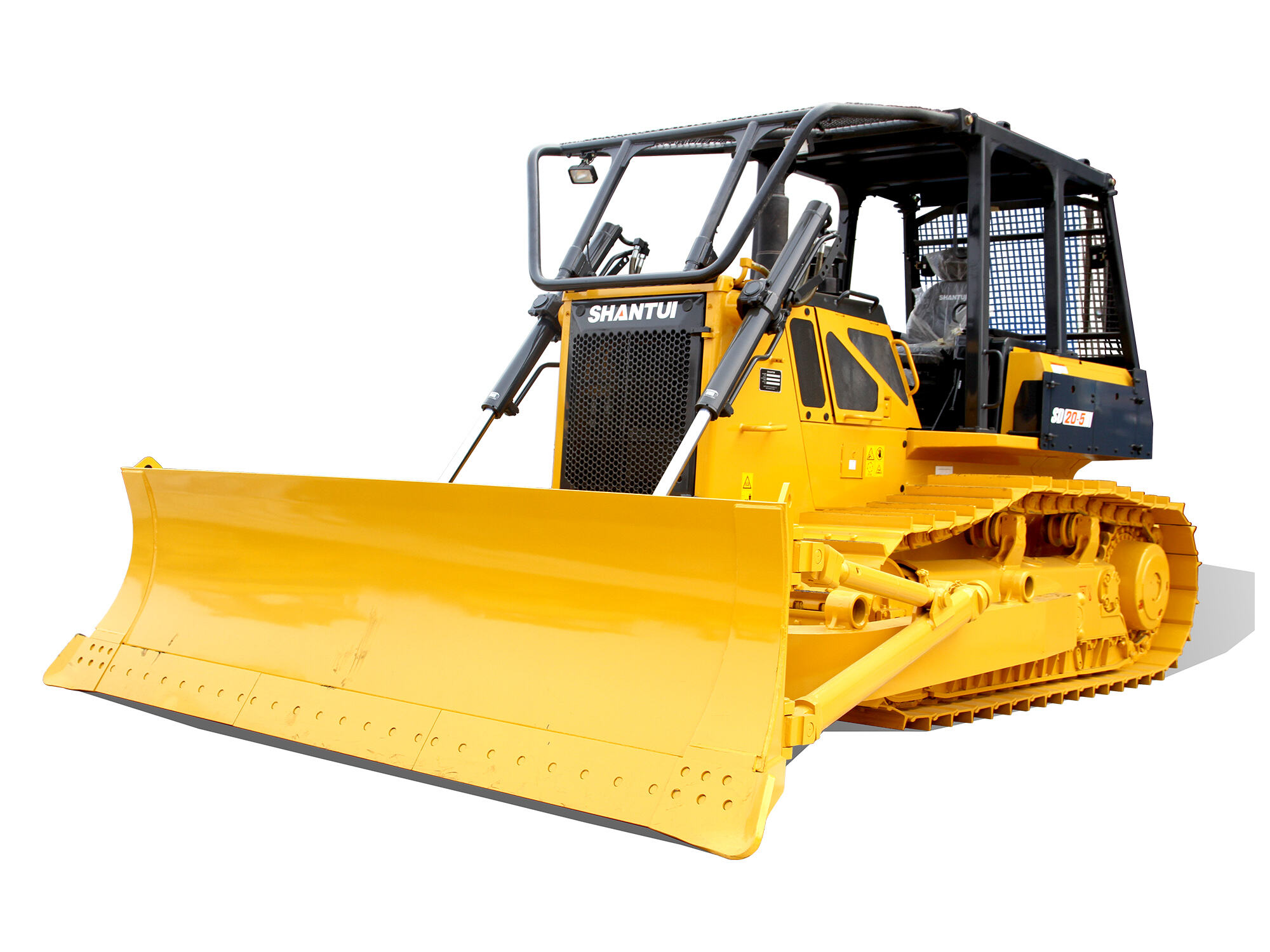
At the heart of a bulldozer’s performance is its robust tracked system. These continuous tracks spread out the significant machine weight over a wide ground contact area, creating remarkably low ground pressure. This attribute allows bulldozers to operate effectively in soft soils, muddy terrains, and extremely rugged grounds that would immobilize wheeled vehicles. The extensive grip provided by the tracks results in superior traction, stability, and maneuverability, even on uneven or steep landscapes.
The powerhouse of the bulldozer is typically a large displacement diesel engine, known for producing sustained torque necessary for high-demand tasks like pushing heavy loads or climbing slopes. This engine’s power is transferred to the tracks through either traditional torque converters or advanced hydrostatic transmissions. Hydrostatic drive systems allow for smooth, controllable power delivery and superior precision in movements, enabling operators to execute extremely fine grading or heavy pushing as the situation requires. The combination of engine power and innovative transmission design guarantees continued power output under heavy workloads and harsh conditions.
A bulldozer’s blade represents its primary tool, engineered with great care using principles from materials science and fluid dynamics. There are different blade shapes catering to specific needs: the U-blade, with its curved design, provides high material-carrying capacity and minimizes side spillage when pushing materials over long distances; the straight blade offers greater cutting strength ideal for leveling and grading; other variants include S-U blades that combine capacity and strength, and power angle tilt blades that provide high adjustability in blade positioning for complex terrain. The blade is operated through advanced hydraulic systems allowing precise control over raising, tilting, angling, and rotating actions. This hydraulic precision ensures an operator can seamlessly switch between heavy-duty excavation and millimeter-accurate surface finishing.
Beyond the blade, many bulldozers feature rear-mounted rippers. These rippers are designed to break tough, compacted soil, asphalt, or frozen ground, enabling subsequent grading or excavation. The addition of rippers converts the bulldozer into a multifaceted earth processing platform, expanding its versatility and usefulness across different site challenges.
Modern bulldozer designs emphasize not just power but also operator comfort and productivity. The operator cabin is engineered ergonomically, often acting as an intelligent control hub. It typically includes air suspension seats, climate control, low-noise technology, and 360-degree visibility, all designed to reduce fatigue and enhance focus during long shifts. Real-time machine condition monitoring systems provide diagnostics on engine health, hydraulic pressure, and key structural components, delivering early warnings and maintenance reminders that reduce emergency repairs and improve uptime.
The durability of bulldozers is ensured by an optimized frame and chassis design, often developed through finite element analysis to maximize strength while reducing weight. This balance improves agility and fuel efficiency without sacrificing robustness. As a result, bulldozers serve as long-term investments, delivering reliable service across multiple projects and decades.
When considering bulldozers for purchase or rental, it is essential to understand their blend of raw power, precision control, and comfort features as these directly affect jobsite productivity and operational costs. The correct selection, based on load capacity, track type, and blade arrangement, ensures performance tailored to project requirements, from construction site grading to mining material handling.
In conclusion, bulldozers represent the backbone of modern heavy equipment fleets. Their combination of tracked traction, high power, versatile working tools, and operator-centric design forms a machine that is capable, reliable, and efficient in the most demanding earthmoving tasks. Their vital role across industries and enduring presence in engineering projects underscore their indispensable status in the global construction and mining landscape. Choosing the right bulldozer entails understanding these factors fully and recognizing the machine’s capacity to transform landscapes and drive project success.

 EN
EN