
 EN
EN
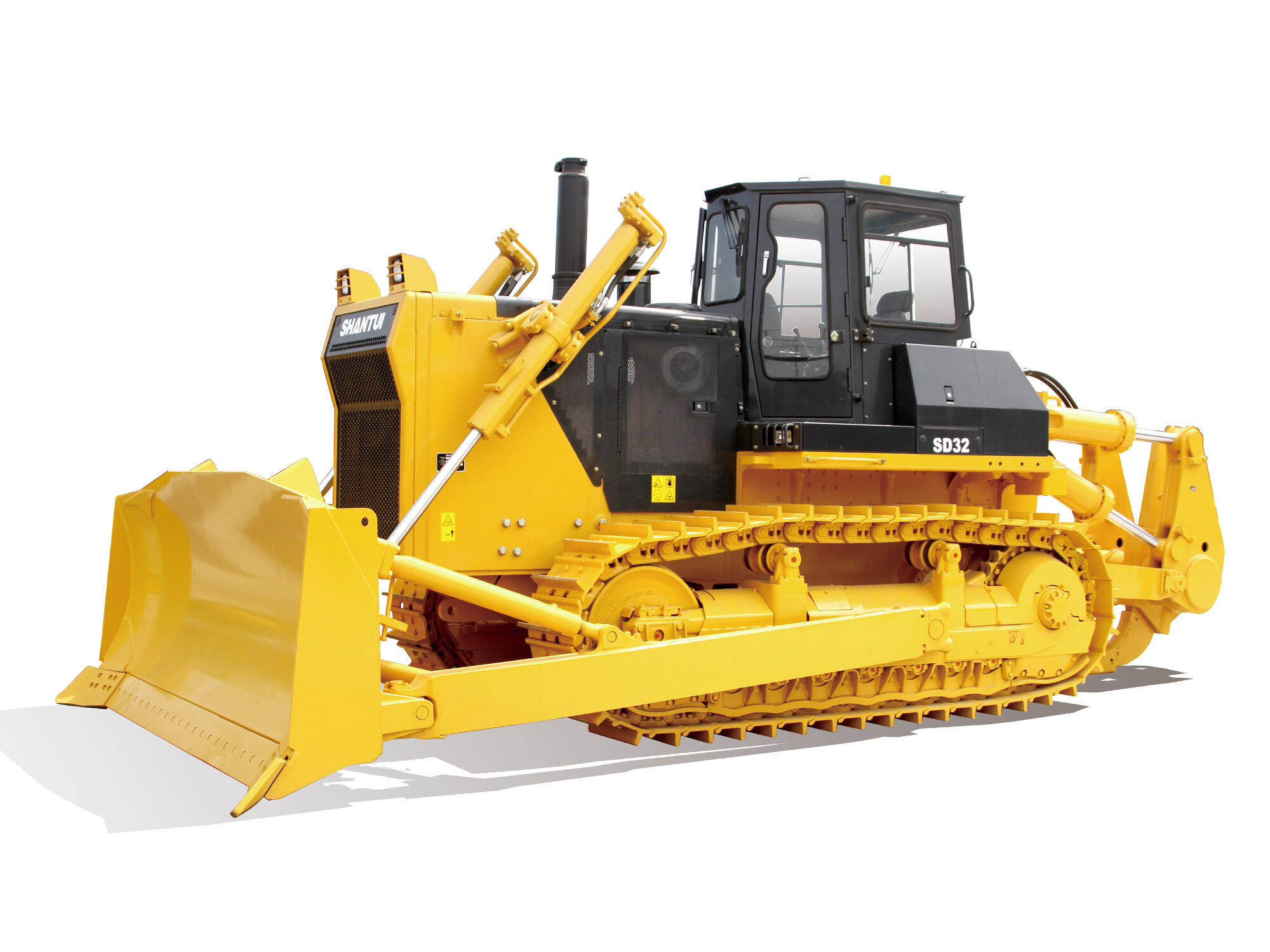
Industry Needs Analysis
From a procurement manager’s vantage point, the decision to purchase a bulldozer is ultimately a decision about risk, uptime, and total cost of ownership (TCO). Earthmoving contractors, mines, quarries, and municipal agencies all require a bulldozer that can push heavy loads, rip compacted subgrade, and fine-grade pads—reliably, safely, and at predictable operating costs. Unplanned downtime cascades into schedule slippage, liquidated damages, and budget overruns; conversely, a properly specified bulldozer stabilizes project timelines and margins.
Market forces intensify these pressures. Labor shortages push operators to cover longer shifts, so an ergonomically optimized, low-fatigue bulldozer cab becomes a productivity lever, not a luxury. Environmental targets and fuel price volatility also force closer scrutiny of drivetrain efficiency; a bulldozer with a low rolling resistance design can cut fuel burn per cubic meter moved, improving both sustainability metrics and bid competitiveness. On high-dust, high-heat sites, thermal stability is the silent differentiator: a machine with a wide-span cooling radiator keeps core temperatures in the sweet spot, preserving hydraulic life and avoiding derates that stall production.
Fleet standardization is another procurement priority. Owning a mixed bag of models drives complexity in parts stocking, training, and telematics. Standardizing on a bulldozer platform with common filters, wear parts, and diagnostic tooling lowers inventory and speeds mean-time-to-repair. Meanwhile, site variability—from soft underfoot conditions to abrasive rock—demands that your bulldozer accept a spectrum of blade types (S, SU, U), rippers (single or multi-shank), and guarding packages. A configurable machine prevents costly rental add-ons or downtime while waiting for specialty attachments.
Risk management finally ties it all together. Procurement must confirm that the bulldozer supplier can meet parts fill-rates, service response SLAs, and training commitments across your geography. Remote monitoring, condition-based service, and defendable warranty language are non-negotiable. In short, the right bulldozer is not merely iron—it’s a supported solution balancing pushing power, cooling capacity, vibration control, and lifecycle support.
Bottom line: Your purchase criteria should prioritize a bulldozer that minimizes rolling losses, protects the operator with a low-vibration cab, and resists heat with a wide-span cooling radiator—backed by a supplier ecosystem that protects uptime and TCO.
Product Features That Matter
Low Rolling Resistance Design
Every wasted watt shows up in your fuel ledger. A modern bulldozer combats parasitic losses through optimized undercarriage geometry, sealed-and-lubricated track chains, low-drag carrier/idler bearings, and smart sprocket tooth profiles. Lower rolling resistance reduces drawbar power required for the same blade load, meaning the bulldozer pushes farther per liter of fuel. Over thousands of engine hours, that translates to real money—and lower CO₂ per cubic meter moved.
Low-Vibration Cab
Operator fatigue is a hidden cost driver. A bulldozer equipped with a low-vibration cab—featuring isolation mounts, tuned mass dampers, air-suspension seating, and joystick controls with reduced actuation force—keeps whole-body vibration within recommended exposure limits. The benefits compound: sharper grading accuracy late in the shift, fewer micro-stoppages, and reduced long-term health claims. A quieter, smoother bulldozer also helps retain experienced operators in a tight labor market.
Wide-Span Cooling Radiator
Thermal headroom is productivity. A wide-span cooling radiator with high-density cores, large frontal area, and a reversible, variable-speed fan allows the bulldozer to maintain coolant, charge-air, and hydraulic temperatures under sustained high load in dust and heat. Better heat rejection prevents power derates, protects seals and hoses, and extends oil life. Add swing-out cores and wide fin spacing for easy debris clearing, and your bulldozer spends more time pushing and less time parked with the hood up.
Powertrain & Hydraulics Synergy
Look for electronically managed powertrains that match engine torque to load, keeping the bulldozer in the optimal efficiency band. Load-sensing hydraulics prioritize flow to blade and ripper only when demanded, trimming heat generation. Together with low rolling resistance, these systems let the bulldozer deliver steady drawbar pull with fewer thermal spikes.
Undercarriage Life
The undercarriage can consume half of lifetime owning costs. Hardened rollers, extended-life bushings, and correct shoe width (standard vs. LGP) keep a bulldozer productive on everything from soft clay to jagged shot rock. With proper tensioning and wear measurement ports, you can plan replacements, not react to failures.
Visibility & Control
A bulldozer that integrates 360° cameras, LED lighting, and optional 2D/3D grade control reduces rework and survey costs. Pair that with telematics to track idle ratio, fuel burn, and alerts; your bulldozer becomes a data source for continuous improvement.
Selection Guidelines
As you short-list models, ground your selection in quantifiable needs and lifecycle economics. Use the following framework to converge on the right bulldozer:
-
1.
Match Power Class to Mission
-
•
Light/Mid Duty (120–180 hp):Land clearing, small pads, backfill. Choose a nimble bulldozer emphasizing low rolling resistance for all-day grading.
-
•
Heavy Duty (200–350+ hp):Mass pushes, mine spoils, road cut/fill. Prioritize a bulldozer with high drawbar pull, reinforced frame, and the biggest practical wide-span cooling radiator for your climate and altitude.
-
2.
Blade and Ripper Configuration
-
•
Blade:S-blade for precision, SU for versatile load retention, U-blade for bulk. The right blade can shift productivity by double-digit percentages. Ensure your bulldozer can swap blades quickly and supports hydraulic pitch/tilt for finish work.
-
•
Rippers:Single-shank for deep penetration in frost/rock; multi-shank for scarifying wide areas. Confirm hydraulic flow and structural ratings so the bulldozer carries rippers without over-taxing the rear frame.
-
3.
Undercarriage and Shoes
-
•
Standard vs. LGP:Soft ground demands LGP shoes; rock prefers narrower, more durable shoes. Your bulldozer should offer bolt-on guard packages and rock-ready rollers if needed.
-
•
Wear Strategy:Choose a bulldozer with measurable wear indicators (height, diameter, bushing turn intervals) and plan a turn/replace strategy in your cost model.
-
4.
Cooling and Environment
-
•
Hot, dusty sites require a bulldozer with a wide-span cooling radiator, reversible fan, and easy-access screens. In cold climates, spec fuel and coolant heaters. Thermal management is TCO management.
-
5.
Operator Environment
-
•
Verify low-vibration cab claims with ISO test data. Noise (dBA) and whole-body vibration metrics matter. A more comfortable bulldozer extends usable shift length and reduces errors.
-
6.
Controls, Automation, and Telematics
-
•
Grade control (2D/3D) can pay back fast on subdivision pads and roadbed work. Ensure your bulldozer supports factory or open systems. Telematics should expose fuel, idle, utilization, fault codes, and location. Alerts enable proactive maintenance on every bulldozer in the fleet.
-
7.
Support Ecosystem
-
•
Parts fill-rate, mobile technician coverage, and training are decisive. A capable bulldozer without support becomes a liability. Insist on parts stocking commitments and guaranteed response windows.
-
8.
Lifecycle Economics
-
•
Build a TCO model across 5–7 years: capex, fuel, PM labor/fluids, undercarriage, major components, resale. A low rolling resistance bulldozer and a wide-span cooling radiator reduce fuel and thermal wear—two of your largest variables. Add the low-vibration cab’s productivity gains to the numerator (m³/hour) and your cost per unit moved drops.
-
9.
Safety and Compliance
-
•
Require ROPS/FOPS certification, e-stops, anti-slip surfaces, and lock-out/tag-out points. The safest bulldozer is the one operators choose to use correctly because it’s comfortable and intuitive.
Decision Tip: Pilot the top two candidates for one week each on representative material. Instrument fuel burn, cycle times, and temps. The right bulldozer will demonstrate lower heat, lower vibration, and steadier pull—proof that the features you’re paying for convert to measurable output.
Procurement Process
A disciplined sourcing workflow protects value and schedule. Use this five-stage path for your bulldozer acquisition:
Stage 1 – RFI (Market Scan)
Issue an RFI capturing duty cycles, climate extremes, target production, and support geography. Filter to vendors offering a bulldozer that explicitly features low rolling resistance design, a low-vibration cab, and a wide-span cooling radiator.
Stage 2 – RFP/RFQ (Commercial & Technical)
Request firm pricing, lead times, warranty terms, parts fill-rate commitments, and SLA response times. Include a technical checklist: blade/ripper options, undercarriage specs, radiator frontal area, fan reversibility, cab vibration test data. Ask for telematics sample reports from in-field bulldozer fleets.
Stage 3 – Evaluation (Scored Matrix)
Weight TCO (35%), performance (25%), support (25%), and commercial terms (15%). Score each bulldozer against identical use cases. Require proof of wide-span cooling radiator performance in your ambient conditions.
Stage 4 – Validation (Demo + PDI)
Run side-by-side demos on your material. Capture fuel (L/hr), temps (coolant, hydraulic), and operator feedback (vibration, visibility). Before acceptance, complete a Pre-Delivery Inspection to verify the bulldozer matches the build sheet: blade, rippers, guarding, seats, telematics, and cooling package.
Stage 5 – Contracting & Delivery
Lock payment terms (e.g., Net-30, milestone), Incoterms (FOB/CIF/DDP), training dates, and spares kit. Include KPIs (uptime %, parts fill-rate, response hours) with remedies. Schedule commissioning and operator/tech training. Activate telematics day one to baseline the bulldozer.
This structure ensures you procure not just a bulldozer, but a supported, measurable outcome.
After-Sales Support & Warranty
The best warranty is the one you rarely need—but when you do, it must work. Align after-sales terms so your bulldozer stays productive:
Warranty & Protection Plans
Seek 24–36 months standard, extendable to 5 years on powertrain/hydraulics. Confirm inclusion of the wide-span cooling radiator, pumps, valves, and electronic controls. A strong warranty signals confidence in the bulldozer design.
Parts and Logistics
Insist on a documented parts stocking plan and a 95%+ fill-rate on fast movers (filters, seals, wear items, rollers). A dedicated spares kit on site keeps your bulldozer turning even when supply chains tighten.
Service SLAs
Target same-day remote triage and <24–48-hour field tech response. Telematics-driven maintenance allows your bulldozer to signal issues before they halt production. Require monthly health reports (fuel, idle, temps, fault codes) to drive continuous improvement.
Preventive Maintenance
Lock in PM schedules aligned to your duty cycle and environment. For dusty, hot work, include periodic radiator cleanouts; the wide-span cooling radiator’s swing-out cores should make this fast. Track undercarriage wear and plan turns/replacements proactively for each bulldozer.
Training & Documentation
Operator and technician training reduces misuse and accelerates diagnostics. Ensure manuals, parts catalogs, and troubleshooting guides are accessible digitally, tied to your bulldozer’s serial number.
Uptime Guarantees
For mission-critical work, negotiate uptime SLAs and loaner provisions. If a bulldozer is down beyond a threshold, credits or temporary replacement equipment should kick in.
With these elements in place, your bulldozer purchase becomes a managed asset with predictable performance, not a gamble. The synthesis of low rolling resistance, a low-vibration cab, and a wide-span cooling radiator—backed by measurable support—delivers the lowest cost per cubic meter moved and the highest operational confidence.