
 EN
EN
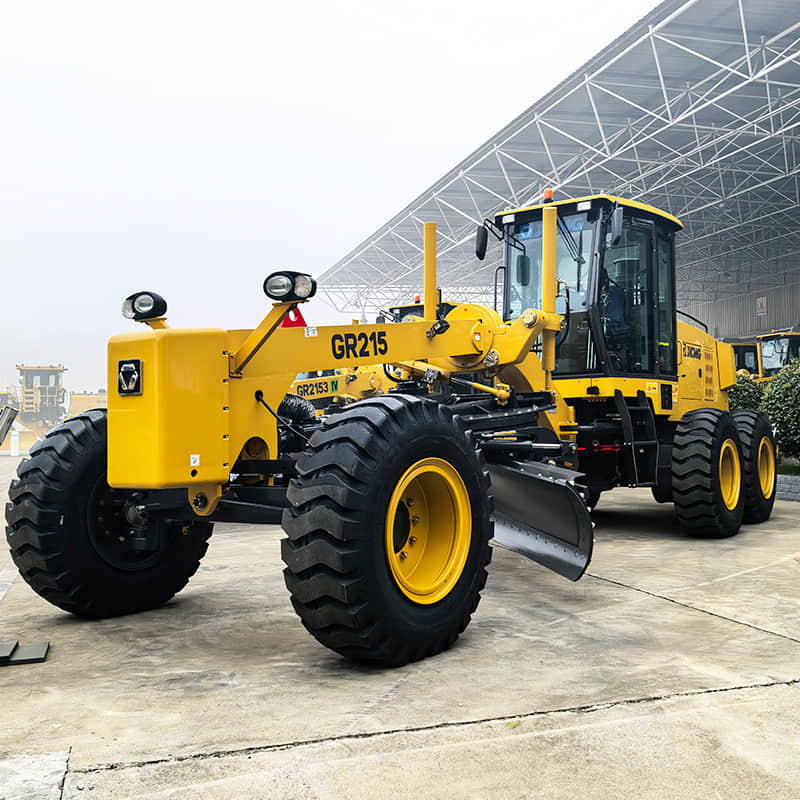
Selecting the right grader for precision leveling is one of the most critical decisions you can make in earthmoving and site preparation projects. A grader serves as the backbone of any leveling operation, directly influencing project timeline, cost efficiency, and final surface quality. Whether you are managing a small parking lot renovation or a large-scale infrastructure development, understanding how to evaluate and choose the appropriate grader can mean the difference between completing work on schedule within budget and facing costly delays and rework.
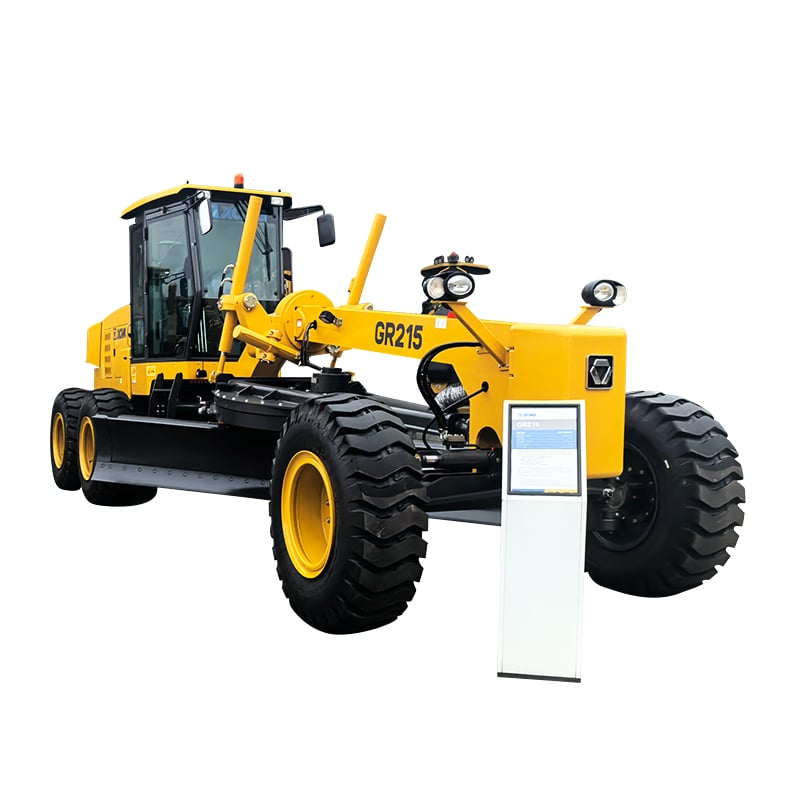
This comprehensive guide walks you through the essential factors that determine whether a grader will meet your specific project requirements. From understanding blade configuration and engine power to evaluating operational comfort and maintenance accessibility, each aspect plays a vital role in maximizing productivity. We will explore how different grader specifications align with various application scenarios, enabling you to make an informed decision that aligns with your operational goals and budget constraints.
Understanding Grader Categories and Specifications
Grader Size and Weight Classifications
Graders are available in multiple size categories, each designed to handle different project scales and terrain conditions. A lightweight grader typically ranges from 80 to 120 horsepower and weighs between 10,000 to 15,000 pounds, making it ideal for residential subdivisions, parking lots, and smaller municipal projects where maneuverability is essential. A mid-range grader generally delivers 120 to 180 horsepower with a weight of 15,000 to 25,000 pounds, providing the balance between power and agility that most contractors prefer for general-purpose leveling work. Heavy-duty graders exceed 180 horsepower and can weigh over 25,000 pounds, offering superior cutting force and stability for large-scale highway construction, mining site preparation, and mountainous terrain applications.
Choosing the correct grader size depends on your project scope, available access routes, and soil conditions. A grader that is too small will struggle with compacted materials and take excessive time to complete the work, while an oversized grader may cause unnecessary soil disturbance and increase operational costs. The weight of your grader also influences transportation requirements and site preparation needs, so selecting a grader with appropriate specifications ensures efficient resource allocation and minimizes logistical complexity.
Blade Configuration and Cutting Width
The blade of a grader is the primary working component, and its configuration directly determines the machine's precision leveling capability. Standard grader blades typically measure between 10 and 14 feet in width, allowing operators to create consistent grades across large surface areas in fewer passes. A grader with an adjustable blade angle enables fine-tuning of the cutting edge, which is essential for achieving precise elevations and maintaining proper drainage slopes on roads and parking areas. The ability to angle a grader blade laterally, known as pitch adjustment, allows operators to push material in different directions without repositioning the entire machine, significantly improving work efficiency.
Advanced grader models feature articulated blade designs that provide additional flexibility for complex grading tasks. The moldboard, which is the curved working surface of the blade, must be smooth and properly maintained to prevent material buildup and ensure consistent grading performance. When evaluating a grader for your project, verify that the blade configuration matches your precision requirements and that the machine offers sufficient adjustment range to handle terrain variations across your site.
Performance Factors and Operational Efficiency
Engine Power and Hydraulic Systems
Engine horsepower is a fundamental specification that determines how effectively a grader can cut through compacted materials and maintain consistent working speeds. A grader engine must deliver sufficient torque to engage the blade against dense soil, clay, and aggregate without stalling or slowing operational pace. Modern grader designs incorporate advanced hydraulic systems that convert engine power into precise blade control, allowing operators to execute fine adjustments that are impossible with mechanical linkages. The hydraulic pressure rating of a grader affects its cutting force and responsiveness, with higher-pressure systems generally providing faster blade actuation and more reliable performance in demanding conditions.
Fuel efficiency is an often-overlooked consideration when selecting a grader, yet it directly impacts long-term project economics. A grader with optimized engine management and efficient hydraulic circuits can reduce fuel consumption by 10 to 20 percent compared to older models, resulting in substantial savings over the course of large projects. Review fuel consumption specifications for any grader you are considering, and factor fuel costs into your total operational budget to make accurate investment comparisons.
Steering and Maneuverability
The steering mechanism of a grader greatly influences how precisely you can position the blade and navigate confined work areas. Articulated steering, which allows the frame to bend at the center joint, enables a grader to achieve extremely tight turning radii compared to conventional fixed-axle designs. This articulation is particularly valuable in urban environments, parking lots, and other spaces where maneuverability directly impacts project feasibility. An all-wheel-drive grader provides superior traction in slippery conditions and on steep grades, reducing the risk of equipment slippage and enhancing operator safety.
Power steering systems reduce operator fatigue and improve precision control, which becomes increasingly important during long working shifts on complex grading tasks. Modern grader steering incorporates electronic feedback that helps operators maintain consistent directional control and achieve repeatable blade positioning. When evaluating steering performance, test the machine on varied terrain to confirm that turning radius and directional response meet your operational requirements.
Cab Design, Visibility, and Operator Comfort
Visibility and Safety Features
Operator visibility is directly correlated with grading precision and worksite safety, making cab design a critical selection criterion when choosing a grader. A modern grader cab should provide panoramic windows that eliminate blind spots and allow the operator to monitor blade position, material placement, and surrounding personnel continuously. Backup cameras integrated into the grader's display system enhance visibility when operating in reverse and help prevent collisions with obstacles or other equipment on busy construction sites.
Safety features such as rollover protective structures, emergency stop systems, and audible backup alarms are essential components of any contemporary grader design. Verify that your selected grader meets current safety standards and includes features that protect operators from common workplace hazards. A grader with excellent visibility reduces the likelihood of accidents and rework, ultimately protecting both personnel and your project timeline.
Operator Comfort and Control Ergonomics
The cab environment significantly affects operator productivity and fatigue levels, particularly on multi-day grading operations. A grader with climate control, adjustable seating, and low vibration transmission allows operators to maintain focus and precision over extended working periods. Intuitive control layouts that minimize hand and foot movements reduce operator strain and enable faster response times when fine adjustments are necessary. Noise insulation in the cab protects hearing and reduces fatigue, contributing to better decision-making and safer machine operation throughout the working day.
Premium grader models feature joystick controls that provide more intuitive blade manipulation than traditional lever systems, allowing operators to execute precise movements with minimal physical effort. An ergonomic grader cab becomes increasingly valuable as labor costs rise, since comfortable operators work more efficiently and experience fewer mistakes that would require rework.
Maintenance, Serviceability, and Total Cost of Ownership
Service Accessibility and Parts Availability
The ease of accessing engine components, hydraulic systems, and wear parts directly impacts maintenance costs and equipment downtime throughout the grader's service life. A well-designed grader features accessible filter locations, drain points, and service intervals that minimize labor time and enable field technicians to complete routine maintenance quickly. Availability of replacement parts in your geographic region ensures that unexpected repairs will not strand your equipment for extended periods waiting for parts shipments. When selecting a grader, verify that the manufacturer maintains robust parts distribution networks and that your equipment dealer stocks critical wear components.
Documented service procedures and readily available technical manuals help your maintenance team diagnose issues efficiently and perform preventive care on schedule. Some grader manufacturers offer extended warranty programs and service packages that provide predictable maintenance costs over the machine's operational life, enabling more accurate long-term budgeting.
Durability and Warranty Considerations
The structural integrity and component quality of a grader determine how effectively it withstands demanding field conditions and maintains resale value. A grader built with reinforced frames, wear-resistant blade materials, and sealed hydraulic systems will generally deliver better reliability and longer service intervals than entry-level alternatives. Factory warranty terms reveal manufacturer confidence in component durability and provide financial protection against catastrophic failures during the warranty period. Compare warranty coverage across different grader models, paying particular attention to hydraulic system coverage, which often represents the largest unplanned maintenance expense.
Total cost of ownership encompasses purchase price, fuel consumption, maintenance, repairs, and eventual resale value. A grader with slightly higher initial cost but superior fuel efficiency and lower maintenance requirements often delivers superior economics over its operational lifetime compared to cheaper alternatives. Calculate five-year ownership costs for candidate graders to make meaningful economic comparisons that extend beyond initial purchase price.
Application-Specific Grader Selection Criteria
Project Type and Terrain Conditions
Different project types demand different grader capabilities, making a thorough assessment of your specific application essential before finalizing equipment selection. Road construction projects require a grader with excellent long-distance stability and sufficient power to handle large material volumes, while parking lot work emphasizes maneuverability and precision for achieving consistent slope. A grader suitable for highway work may prove too large and uneconomical for residential subdivisions, while a smaller grader lacks the cutting force needed for heavy highway construction applications.
Terrain characteristics also influence grader suitability significantly. Steep mountain grades require a grader with powerful brakes, excellent traction, and responsive steering to maintain safe operation on inclined terrain. Soft soil conditions demand a grader with weight distribution that provides adequate flotation without excessive ground pressure that might cause rutting or material displacement. Rocky or compacted terrain requires a grader with substantial horsepower and a reinforced blade to cut through dense material without bogging down.
Production Rate and Project Timeline Requirements
The production capacity of your grader must align with project timeline expectations and available labor resources. A higher-horsepower grader with a wider blade typically completes the same work faster than a smaller machine, potentially justifying higher operating costs through schedule compression and earlier project completion. Analyze required production rates for your specific project by calculating total acreage requiring treatment and dividing by available working hours to determine minimum grader production capacity needed.
Multiple smaller graders sometimes represent a better investment than one large machine if equipment flexibility and production redundancy are important to your operation. Having backup equipment available reduces project risk and ensures that equipment failure does not halt all work activities. Balance production speed requirements against capital constraints and equipment utilization rates to determine the optimal grader configuration for your business model.
Rental vs. Purchase Decision Framework
Economic Analysis of Equipment Ownership
Determining whether to purchase or rent a grader depends on annual equipment utilization rates and long-term business strategy. A general rule suggests that equipment utilized more than 500 to 600 hours annually typically justifies ownership from a pure economics perspective, while occasional projects may be better served through rental arrangements. Ownership provides flexibility to customize the grader with specialized attachments and maintain it according to your specific preferences, whereas rental transfers maintenance responsibility to the rental company and provides predictable monthly expenses.
Long-term fleet ownership builds company value and provides tax advantages through depreciation deductions, yet ownership also requires capital investment and carries obsolescence risk as technology advances. Rental arrangements protect against equipment obsolescence and eliminate storage and insurance expenses, making them attractive for seasonal contractors or companies with variable project volumes. Evaluate your average annual grader hours and compare ownership costs against rental rates in your market to make an informed financial decision aligned with your business circumstances.
FAQ
What size grader do I need for my project?
Grader sizing depends on your project scale, available access, and soil conditions. Lightweight graders suit residential and small commercial projects, mid-range graders handle general-purpose work, and heavy-duty graders are necessary for large infrastructure or highway projects. Calculate your project acreage and working timeframe to determine required production capacity, then select a grader with specifications that exceed these minimum requirements by 10 to 15 percent to maintain operational efficiency.
How often does a grader require maintenance?
Routine grader maintenance typically occurs every 250 operating hours for filter changes and fluid level checks, with major service intervals occurring every 1,000 to 2,000 hours depending on manufacturer specifications. Following the recommended maintenance schedule maximizes equipment reliability and helps avoid catastrophic failures that could interrupt your project timeline. Review your grader's service manual for specific maintenance intervals and establish a preventive maintenance program before equipment deployment.
What factors most affect grading precision?
Operator skill and experience represent the most significant factors affecting grading precision, followed by grader blade condition and proper machine calibration. A well-maintained grader with responsive steering and precise blade controls enables skilled operators to achieve excellent results, while worn components or poor maintenance will compromise precision regardless of operator ability. Invest in operator training and establish a comprehensive maintenance program to maximize the precision capabilities of your grader equipment.