
 EN
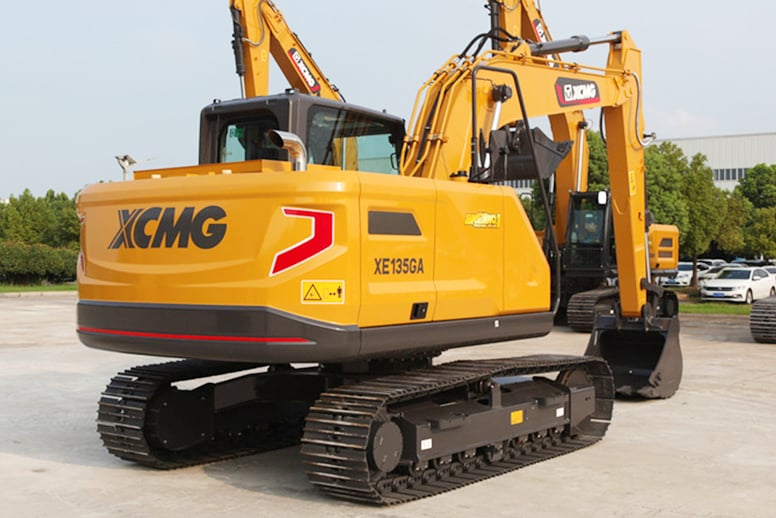
Operating an excavator requires precision, attention to detail, and a thorough understanding of the machine's capabilities and limitations. Many operators, whether experienced or new to the field, inadvertently make mistakes that compromise safety, reduce efficiency, and accelerate wear on the equipment. These errors often stem from rushing through pre-operation checks, poor understanding of load limits, or inadequate maintenance practices. Recognizing and correcting these common excavator errors can dramatically improve both your operational performance and the longevity of your machine.
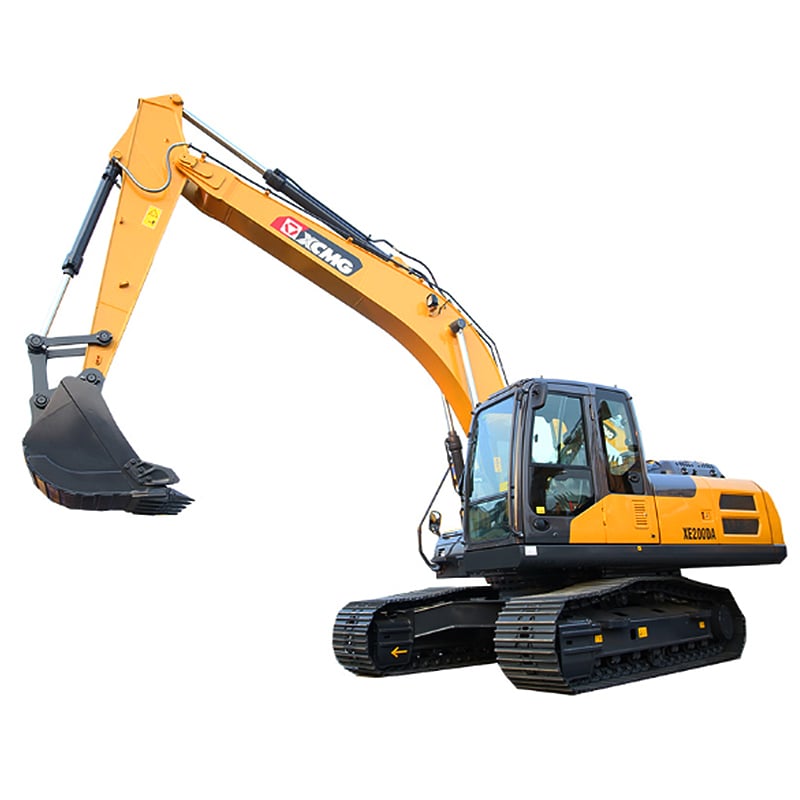
Every construction site depends on reliable excavator performance, yet preventable mistakes happen daily across job sites worldwide. Operators frequently overlook critical safety protocols, skip routine maintenance tasks, or exceed machine specifications unknowingly. Understanding what makes an excavator operate safely and efficiently begins with identifying these pitfalls. This guide walks you through the most prevalent excavator mistakes and provides practical solutions to help you operate your equipment safely and effectively.
Skipping Pre-Operation Inspections
Why Pre-Operation Checks Matter
One of the most common excavator mistakes is rushing through or completely skipping pre-operation inspections. Many operators assume the machine is ready to work without verifying fluid levels, checking hydraulic hoses, or inspecting the bucket and boom. This negligence can lead to hydraulic failures, loss of control, or catastrophic equipment breakdowns in the middle of a critical project. A thorough excavator inspection takes only fifteen minutes but can prevent hours of costly downtime and dangerous situations.
Essential Inspection Points for Any Excavator
Before starting your excavator each day, verify that all hydraulic fluid levels are at the correct mark, inspect hoses for cracks or leaks, and test all control systems from the cabin. Check the bucket teeth for wear and damage, examine the undercarriage for obstacles, and ensure the cab controls respond smoothly. Document findings in a maintenance log specific to your excavator unit. These simple steps protect both operator safety and equipment integrity while establishing a professional operating standard.
Exceeding Load and Depth Limits
Understanding Excavator Specifications
Every excavator carries manufacturer specifications regarding maximum load capacity, digging depth, and reach distances. A surprisingly common excavator mistake is attempting to lift loads or dig depths beyond the machine's design limits. Operators sometimes overestimate their excavator's capabilities because the machine appears powerful, but exceeding rated limits stresses hydraulic systems, weakens structural integrity, and creates serious tipping hazards. Respecting your excavator's documented specifications is non-negotiable for safe operation.
Calculating Safe Operating Parameters
To avoid this excavator error, always reference the load chart before executing lifts or digs. Consider ground conditions, as soft soil reduces stability and lowers safe load capacity compared to firm ground. Position your excavator on level terrain whenever possible, as operating on slopes significantly decreases available load capacity. Keep the bucket as close to the machine as possible during lifts, as extended reach dramatically increases stress on boom cylinders and pivot points. Experienced excavator operators mentally calculate every move against the specifications to prevent costly mistakes.
Neglecting Regular Maintenance
The Cost of Deferred Maintenance
Perhaps the most damaging excavator mistake over time is postponing scheduled maintenance tasks. Many operators and site managers prioritize immediate productivity over preventive care, leading to fluid degradation, filter clogging, and component wear that could have been prevented. Maintenance neglect transforms a minor, inexpensive repair into a major excavator breakdown that stops your entire operation. Regular maintenance extends equipment life, ensures consistent performance, and ultimately saves both money and project time.
Establishing a Maintenance Schedule for Your Excavator
Create a documented excavator maintenance calendar that includes daily, weekly, and monthly tasks. Daily checks should cover fluid levels and visual inspections for leaks. Weekly maintenance includes checking filters, testing hydraulic pressure, and inspecting the bucket attachment points. Monthly tasks should encompass greasing all pivot points, checking electrical systems, and reviewing wear patterns. Following the manufacturer's excavator manual ensures that critical maintenance steps are never overlooked. Assigning maintenance responsibility to a specific team member creates accountability and consistency.
Operating with Inadequate Training
Why Proper Training Reduces Mistakes
An undeniable excavator mistake is deploying inexperienced operators without proper training. Even naturally talented individuals need structured instruction on control sensitivity, stability limits, and emergency procedures specific to excavator operation. Inadequately trained operators make hesitant, inefficient movements that waste time and increase accident risk. They may not recognize warning signs of mechanical problems or understand how ground conditions affect machine stability. Professional excavator training provides operators with the confidence and knowledge needed to work safely.
Developing Operator Competency
Require all excavator operators to complete formal certification courses that cover machine familiarization, safety protocols, and hands-on practice. Pair new operators with experienced supervisors for initial job assignments. Use site-specific orientation to address particular excavator models, terrain conditions, and project requirements. Encourage continuing education about advancing technology and evolving safety standards in excavator operation. Investing in operator training reduces incidents, improves efficiency, and builds a reputation for professional construction practices on every site.
FAQ
What is the most critical excavator mistake that leads to accidents?
The most critical excavator mistake is operating without proper pre-operation inspection and exceeding the machine's load capacity, which together create unstable conditions and loss of control. These errors combine to cause rollover accidents and dropped load incidents that result in serious injuries or fatalities. Respecting load limits and conducting thorough inspections are fundamental to preventing catastrophic excavator failures.
How often should an excavator receive scheduled maintenance?
Most excavator manufacturers recommend daily fluid and visual checks, weekly filter and pressure verification, and monthly greasing and component inspection. However, specific excavator maintenance intervals depend on operating hours, job site conditions, and manufacturer guidelines. Consult your excavator's operation manual for precise schedules tailored to your machine's specifications and usage patterns. More frequent maintenance may be necessary for high-utilization equipment or challenging site conditions.
Can improper excavator operation affect resale value?
Yes, poor excavator operating practices and maintenance neglect significantly reduce resale value and future earning potential. Potential buyers evaluate maintenance records, inspect structural integrity, and review hydraulic system condition when assessing excavator quality. Machines operated within specifications and maintained consistently command higher prices on the used equipment market. Treating your excavator with professional care protects both current performance and long-term asset value.