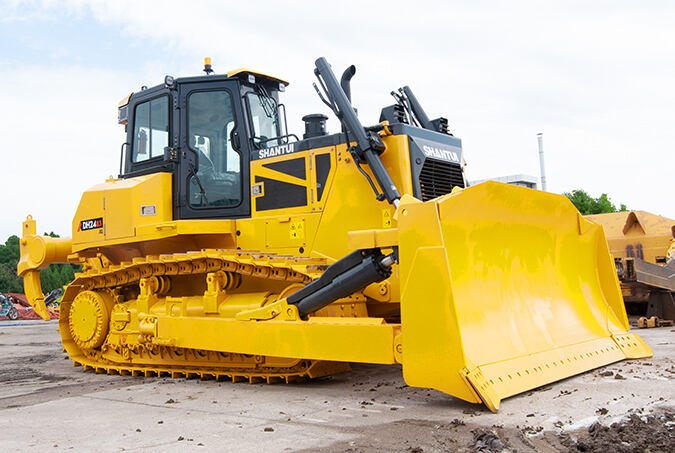
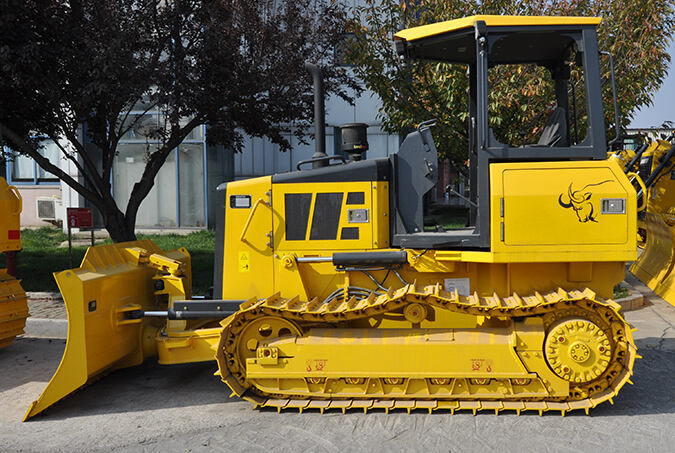
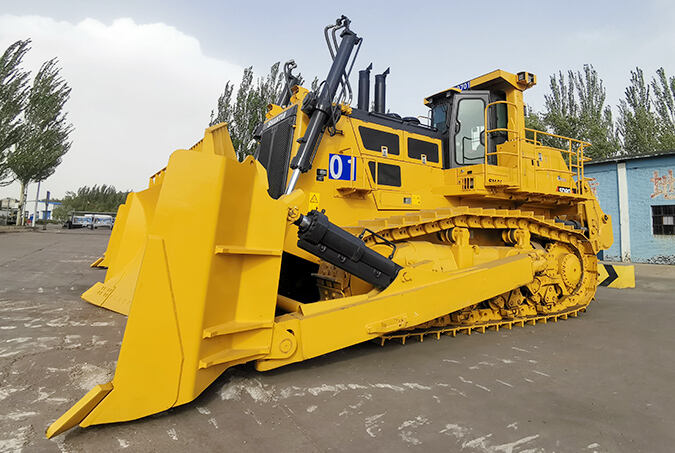
At the core of a tracked bulldozer's superiority is its advanced track system, which comprises track plates, sprockets, rollers, idlers, and a tensioning mechanism working in concert. These high-strength components form a durable and flexible “roadway” that distributes the machine’s immense weight over a broad surface area, drastically reducing ground pressure and providing excellent grip. This is analogous to a “snowshoe effect,” enabling the dozer to traverse wetlands, loose soils, and newly compacted fill without sinking, ensuring reliable operational continuity even in challenging environments.
Despite the advantages, tracked systems generally entail higher manufacturing and maintenance costs due to their complexity and the wear of moving parts. Track pins and bushings are subject to considerable abrasion, requiring routine inspections and maintenance such as lubrication and tension adjustments. The condition of the undercarriage is critical to machine uptime and operating expense. Modern tracked bulldozers incorporate innovations like sealed and lubricated track systems (SALT) to minimize friction and wear, extending component lifespans and reducing servicing frequency.
The design of tracked undercarriages is tailored to operational requirements: standard tracks suit typical terrains, wide tracks improve flotation on soft ground, and specialized pads like swamp tracks excel in extreme marshy environments. Regardless of configuration, tracked bulldozers deliver a stable platform and strong traction that facilitates precise control during heavy pushing, fine grading, and complex maneuvering.
Powertrain integration is also critical. High-torque turbocharged diesel engines combine with advanced transmissions to deliver consistent traction and pushing power. Hydrostatic and conventional powertrain options provide varying degrees of smoothness, responsiveness, and operator control, adapting to the diverse needs of job sites.
Tracked bulldozers are also known for their durability and ability to absorb high impact loads common in earthmoving and mining applications. Their rugged frames, reinforced blades, and reliable hydraulic systems collectively provide resilience against daily operational stresses.
In sum, tracked bulldozers represent the pinnacle of heavy machinery for earthmoving in demanding conditions. Their design principles prioritize traction, stability, durability, and operator control, ensuring they remain indispensable assets across mining, infrastructure development, forestry, and construction sectors worldwide. When reliability and terrain adaptability matter most, choosing a tracked bulldozer means investing in a proven, capable machine that presses projects forward even in the toughest environments.

 EN
EN