Hydraulic Drive Concrete Mixer

All Categories
Precision Hydraulic Concrete Mixers for Smooth Operation and Controlled Mixing Power

Precision Hydraulic Concrete Mixers for Smooth Operation and Controlled Mixing Power

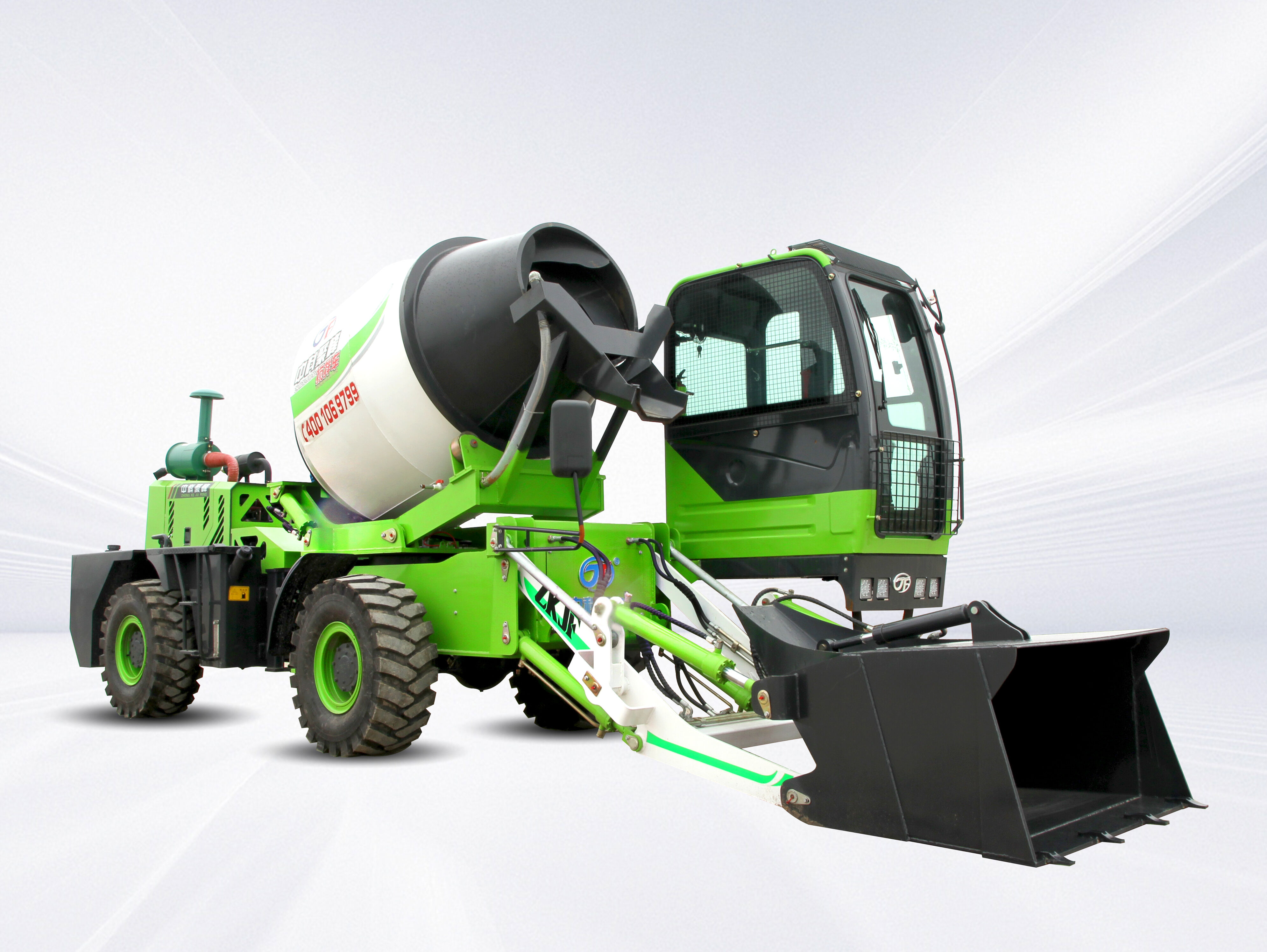
We leverage advanced hydraulic technology to deliver mixers renowned for their smooth power delivery, operational control, and reliability. Our hydraulic concrete mixers are designed for easy integration and are backed by our ability to customize solutions to meet specific project requirements and power source compatibility. Power and control are critical in concrete production. A hydraulic concrete mixer utilizes a hydraulic drive system to deliver high torque, smooth operation, and precise speed control, making it an efficient and reliable choice for demanding mixing tasks where operational finesse is required.
Get A Quote


Related Products

The hydraulic concrete mixer is a type of mixing equipment that uses a hydraulic transmission system as its core power and control method. It represents an advanced drive solution in mixing technology, renowned for its superior controllability, reliability, and power performance. Its core working principle utilizes fluid dynamics, where a prime mover (electric motor or diesel engine) drives a hydraulic pump, converting mechanical energy into the pressure energy of hydraulic oil. High-pressure oil is then delivered to a hydraulic motor, which reconverts the pressure energy back into mechanical energy to drive the mixing device. This closed hydraulic system achieves a flexible connection for power transmission.

The core working principle of the hydraulic concrete mixer revolves around the hydraulic transmission system, which gives it significant advantages over traditional mechanical drives. In this system, the prime mover (motor or diesel engine) does not directly drive the mixing shaft but instead drives a hydraulic pump. The high-pressure oil generated by the pump is transmitted through lines to a hydraulic motor, which then converts the hydraulic energy into rotational power to drive the mixing blades. This core working principle achieves a "flexible" connection between the power source and the working mechanism. The most direct manifestation of this design is the revolutionary improvement in the drive method. The operator can easily achieve stepless regulation of the mixing speed through a control valve, from very low rpm to high-speed operation, enabling the customization of the optimal mixing mode for concretes of different viscosities and formulas. More importantly, the hydraulic system provides built-in overload protection; if the mixing load suddenly becomes too high, the system pressure rises, and a relief valve vents the pressure, thereby protecting key components like the motor and gearbox from damage—something that is not easily achieved with purely mechanical drives.

This precise and powerful drive method directly enhances the mixing characteristics of the hydraulic concrete mixer. The mixing process can begin with a very smooth, shock-free start, eliminating the huge inertial impact of traditional direct motor starting and extending mechanical life. During the mixing process, the precisely controllable speed allows the operator to optimize mixing intensity and time, ensuring even difficult-to-mix special concretes (e.g., those containing fibers or lightweight aggregates) achieve extremely high uniformity. Furthermore, the discharge method is often integrated into the hydraulic system. Whether tilting the mixing drum via hydraulic cylinders or opening a large bottom door, the operation becomes very effortless, smooth, and

Related Articles

How to Find the Best Excavator for Sale: Top Tips for Buyers

22

Aug

How to Find the Best Excavator for Sale: Top Tips for Buyers

Introduction In today’s competitive construction machinery market, finding the ​​best excavator for sale is more than just comparing prices​​—it is about understanding the technical specifications, structural design, and operational featu...
View More
Why Excavator Prices Vary? Key Factors Affecting Your Investment

22

Aug

Why Excavator Prices Vary? Key Factors Affecting Your Investment

Introduction In the construction and heavy equipment industry, ​​understanding the excavator price is critical for making a sound investment​​. For project managers, contractors, and procurement specialists, the price is not just a figure on a...
View More
Why Large Excavators Are Essential for Heavy-Duty Projects

22

Aug

Why Large Excavators Are Essential for Heavy-Duty Projects

In the realm of heavy-duty projects, clients often grapple with a multitude of challenging pain points that hinder progress and escalate costs. One of the most prominent issues is the ​​inability of conventional equipment to navigate rugged and steep...
View More
What Makes Crawler Excavators Ideal for Rough Terrain?

22

Aug

What Makes Crawler Excavators Ideal for Rough Terrain?

Product Introduction Crawler excavators are indispensable heavy machinery for demanding construction and earthmoving tasks—especially in rough, uneven terrain where reliability and adaptability are non-negotiable. As a manufacturer and engineer...
View More

Get a Free Quote

Our representative will contact you soon.
Email
Name
Company Name
Message
0/1000
Superior Control and Variable Speed Operation

Superior Control and Variable Speed Operation

Unlike mechanical drives, a hydraulic system provides infinitely variable control over the drum's rotational speed. This allows the operator to precisely adjust the mixing intensity for different recipes—from a gentle initial blending to a vigorous final mix—and to optimize the speed for charging and discharging. This precise control enhances mix quality, reduces energy consumption during less demanding phases, and provides a smoother, less jarring operation that reduces stress on the entire machine's components.
 High Starting Torque and Overload Protection

High Starting Torque and Overload Protection

Hydraulic drives excel at providing immense torque even at low speeds, which is crucial for starting a drum loaded with heavy, viscous concrete. This eliminates the strain and potential damage associated with hard-starting electrical or mechanical systems. Furthermore, hydraulic systems inherently provide protection against motor stalling and overloads; if the load becomes too great, the system can relief pressure without causing catastrophic damage, acting as a built-in safety feature that protects your valuable investment from unexpected operational hazards.
WeChat WeChat
WeChat
TopTop Whatsapp Whatsapp