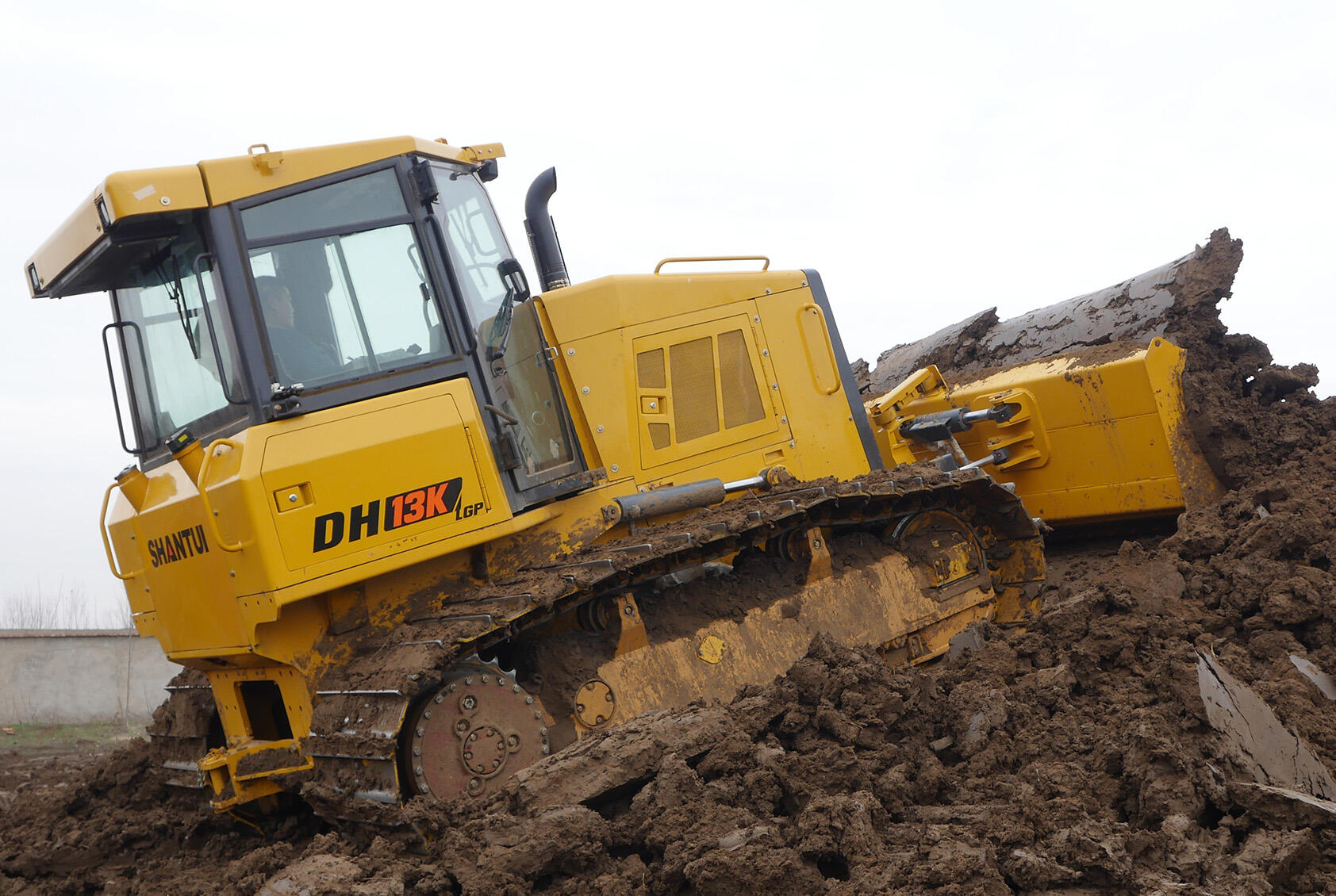
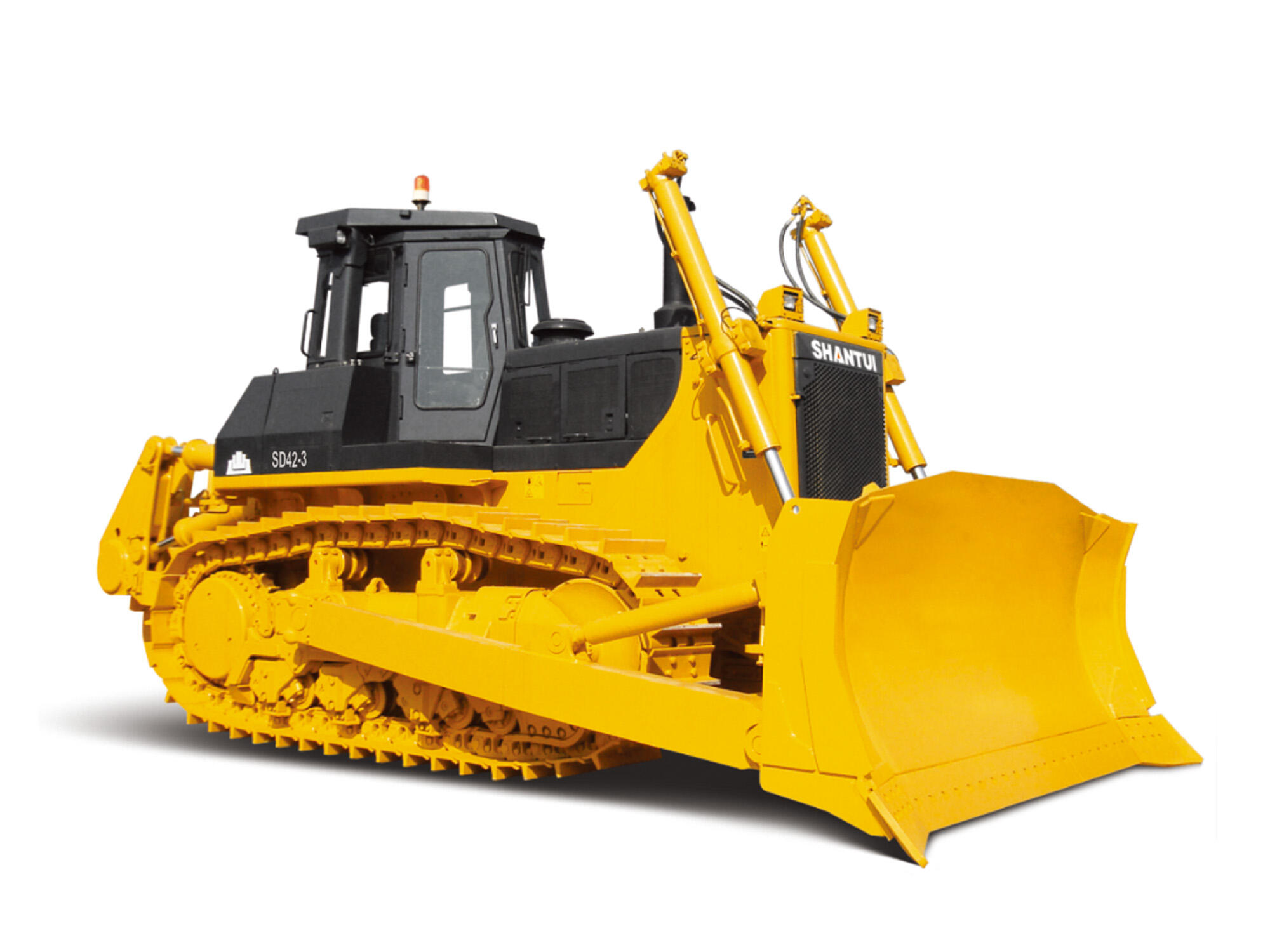
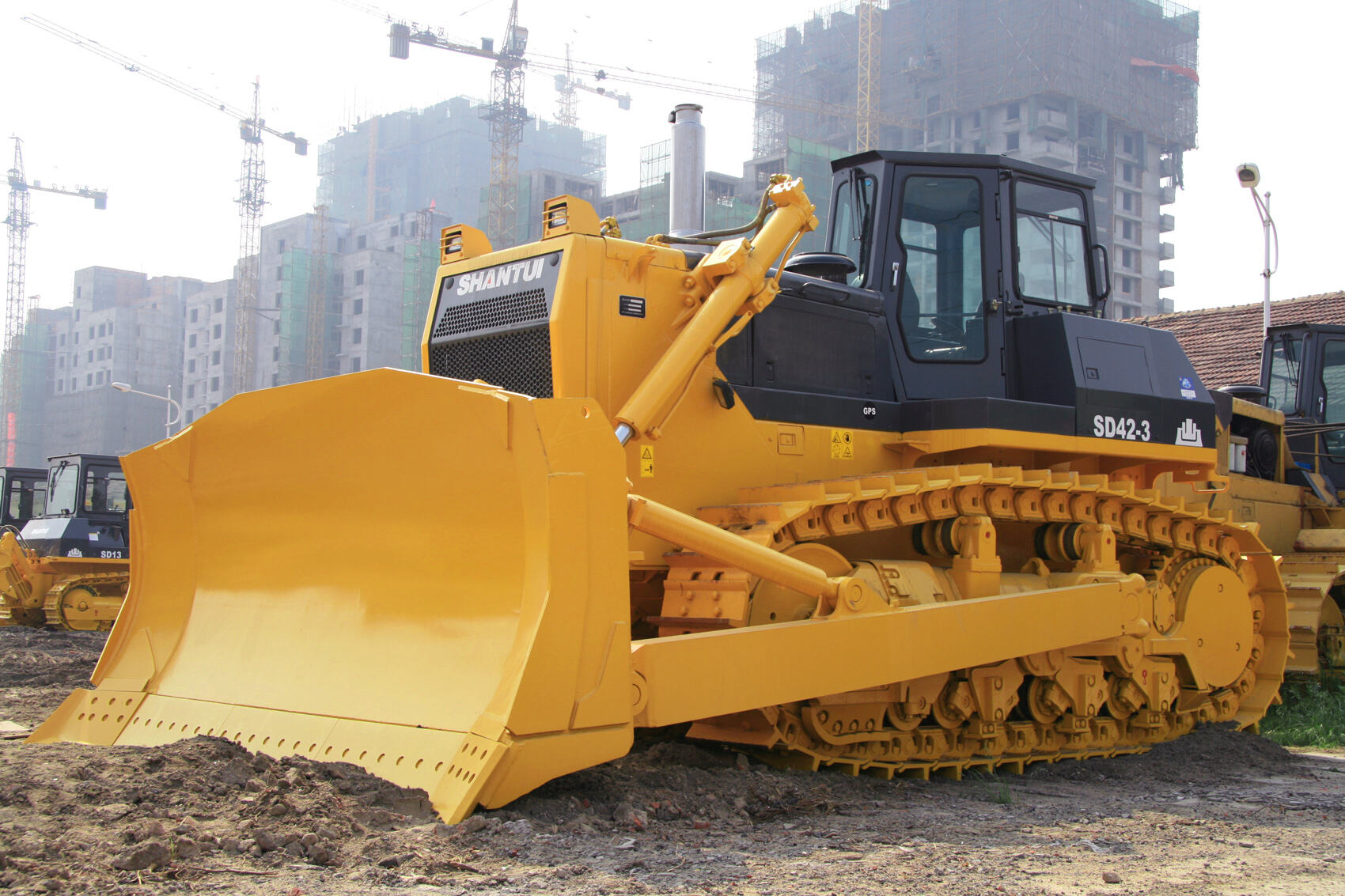
At the outset of projects, bulldozers are often the first heavy equipment deployed. They swiftly clear debris, trees, and obsolete structures, preparing the site for subsequent surveying and groundwork. Their robust tracked chassis and powerful blades enable them to break through dense vegetation and uneven terrain with ease, providing a cleared, stable base for construction activities.
During the earthmoving and grading phase, bulldozers perform large-scale excavation, hauling, and redistribution of soil. Their ability to push significant volumes of material reduces reliance on haul trucks, which lowers transportation costs and accelerates site preparation. Bulldozers meticulously balance cut-and-fill operations, enabling efficient utilization of onsite material and minimizing earth displacement.
One of the defining features of bulldozer construction is the level of control achievable in ground preparation. Modern bulldozers often come equipped with laser and GPS-based blade control systems. These advanced technologies automatically regulate blade position to maintain precise elevations and slopes. Such automation drastically improves grading accuracy—down to millimeter tolerances—reducing operator fatigue and rework, and speeding up project timelines.
Bulldozers also demonstrate versatility through their variety of attachments. Rear-mounted rippers break hard soil, rock, or frozen ground, making subsequent earthmoving easier. Winch systems assist in towing and recovery operations, further expanding the machine’s utility on challenging job sites. The tracked undercarriage design reduces ground pressure, allowing bulldozers to operate on delicate or soft surfaces without excessive soil compaction.
Safety and operator comfort are paramount in bulldozer construction applications. Operator cabins typically feature ergonomic controls, climate control, comprehensive visibility, and noise insulation systems to promote focus and reduce fatigue during long shifts. Additionally, the machines’ structural design ensures stability and minimizes rollover risks on slopes, enhancing overall site safety.
In conclusion, bulldozer construction encompasses much more than just pushing dirt. It combines brute strength with precision technology and operator-centric features, enabling contractors to navigate the complexities of site development confidently. As a foundational tool in construction, bulldozers are integral to transforming raw terrain into the groundwork for buildings, roads, and infrastructure that shape our communities.

 EN
EN