
 EN
EN
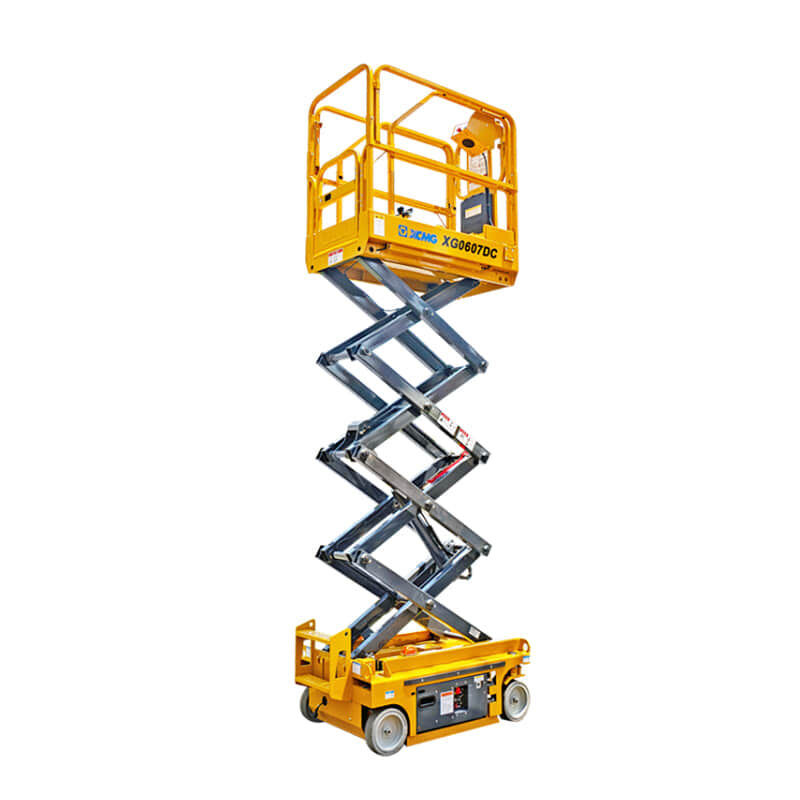
As an operator who has spent countless hours working on various heavy-duty tasks at heights, I've come to rely heavily on hydraulic aerial work platforms. They've truly become an essential part of my work life. Whether it's in large construction sites, industrial plants, or massive infrastructure projects, hydraulic aerial work platforms have consistently proven their worth. They are designed to handle the toughest jobs that require working at significant heights while carrying heavy loads. In this article, I'll share from my own experience why these hydraulic aerial work platforms stand out in heavy-duty tasks and what makes them so reliable and efficient in our line of work.
Key Features of Hydraulic Aerial Work Platforms
One of the most outstanding features of hydraulic aerial work platforms is their remarkable lifting power. When dealing with heavy-duty tasks, we often need to lift not just ourselves but also a substantial amount of tools, materials, and sometimes even heavy machinery parts. Hydraulic aerial work platforms can handle weights that other types of work platforms might struggle with. For example, I've been involved in a construction project where we had to lift large steel beams to install them at a height. Our hydraulic aerial work platform was able to effortlessly hoist those heavy beams, allowing us to position them precisely where they were needed. It's this ability to support heavy loads that sets hydraulic aerial work platforms apart in heavy-duty scenarios.
The stability they offer is another crucial aspect. When working at heights, especially when dealing with heavy items, the last thing we want is a wobbly platform. Hydraulic aerial work platforms have a solid and stable base, thanks to their well-engineered design. The hydraulic systems work in harmony to ensure that the platform remains level and steady even when fully extended or when carrying maximum weight. I remember working on a maintenance job on a tall industrial chimney. Despite the strong winds and the weight of our equipment on the hydraulic aerial work platform, I felt completely secure as it barely swayed, enabling us to complete the task smoothly.
The height reach of hydraulic aerial work platforms is also quite impressive. They can extend to considerable heights, allowing us to access areas that are far above the ground. This is vital for tasks like repairing tall buildings, working on electrical transmission towers, or painting the facades of skyscrapers. I've used hydraulic aerial work platforms to reach heights of over 50 meters, and they still operated smoothly and provided a stable working surface. This vertical reach gives us the flexibility to take on a wide range of heavy-duty tasks that require elevation.
Moreover, hydraulic aerial work platforms are known for their durability. They are built to withstand the rigors of continuous heavy use. The materials used in their construction are of high quality, and the components are designed to handle the stress and strain of lifting heavy loads repeatedly. I've seen hydraulic aerial work platforms that have been in service for years, still performing reliably day in and day out. The platforms, guardrails, and other structural parts show little signs of wear and tear even after enduring harsh working conditions.
Another feature worth mentioning is the precision control that hydraulic aerial work platforms offer. The hydraulic systems allow for smooth and precise adjustments in height and position. We can raise or lower the platform in small increments, which is extremely useful when we need to align with specific work areas or when making delicate adjustments during installation or repair work. For instance, when installing intricate electrical fixtures on a high ceiling, I could use the controls of the hydraulic aerial work platform to position myself with millimeter precision, making the job much easier and more accurate.
Manufacturing Advantages of Hydraulic Aerial Work Platforms
The manufacturing process of hydraulic aerial work platforms incorporates several aspects that contribute to their excellence in heavy-duty tasks.
Firstly, the use of high-strength steel in their construction is a key factor. The frames and structural components are made from steel that can endure heavy loads without buckling or deforming. This ensures the overall integrity of the hydraulic aerial work platform, even under extreme pressure. Manufacturers also pay close attention to the welding and joining processes to create strong and durable connections between different parts.
The hydraulic systems themselves are a marvel of engineering. They are carefully designed and calibrated to provide the necessary power and control. The hydraulic pumps are selected for their ability to generate high pressure to lift heavy weights efficiently. The cylinders are made with precision to ensure smooth operation and to withstand the forces exerted during lifting and lowering. The hydraulic fluid used is of a high quality, which maintains its viscosity and lubricating properties over time, reducing wear and tear on the internal components of the system.
In addition, the manufacturing of hydraulic aerial work platforms involves strict quality control measures. Each component is inspected thoroughly before assembly, and the assembled platforms undergo rigorous testing. Load tests are conducted to verify that the hydraulic aerial work platforms can handle the rated weight capacity without any issues. Safety features such as emergency stop buttons, overload protection systems, and tilt sensors are also tested to ensure they function properly. This attention to quality during manufacturing gives us operators the confidence that we are using a reliable and safe piece of equipment.
The modular design of hydraulic aerial work platforms is also beneficial. Key components like the hydraulic pumps, motors, and cylinders can be easily replaced if they malfunction or wear out. This simplifies maintenance and repair work, reducing downtime. Instead of having to replace the entire platform or deal with complex repairs that take a long time, we can quickly swap out a faulty component and get the hydraulic aerial work platform back to work in no time.
Conclusion
In conclusion, as an operator who has witnessed and experienced the capabilities of hydraulic aerial work platforms firsthand, I can say with certainty that they are the go-to choice for heavy-duty tasks at heights. Their combination of powerful lifting ability, excellent stability, impressive height reach, durability, and precise control makes them ideal for handling the toughest jobs in construction, industry, and infrastructure projects. The manufacturing advantages, including high-strength steel construction, advanced hydraulic systems, strict quality control, and modular design, further enhance their reliability and performance.
Whether it's lifting heavy materials, reaching great heights for repairs, or performing precise installation work, hydraulic aerial work platforms have never let me down. They are not just pieces of equipment but rather reliable partners that enable us to complete our heavy-duty tasks safely and efficiently. For any operator involved in similar work, I highly recommend considering hydraulic aerial work platforms as they will undoubtedly make your work at heights much more manageable and successful.