
 EN
EN
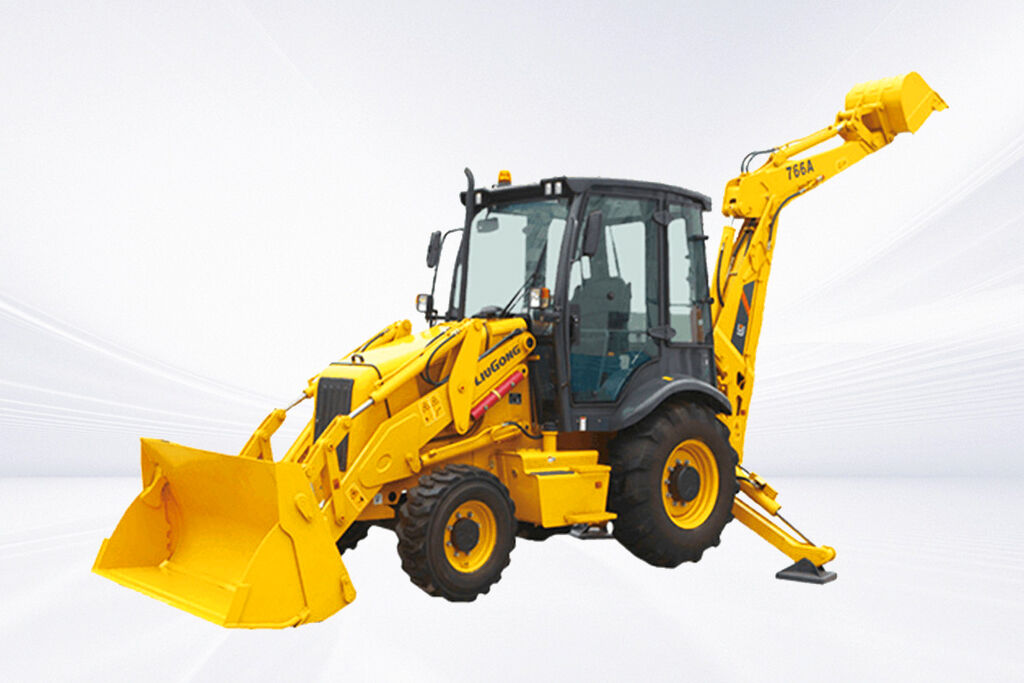
As a mechanical cost engineer, I've delved deeply into the factors that influence the prices of backhoe loaders. These versatile machines are widely used in various industries, and their prices can range significantly from one model to another. Understanding why backhoe loader prices vary is crucial for both manufacturers and buyers. It helps manufacturers set appropriate prices based on costs and features, while buyers can make more informed decisions when investing in these valuable pieces of equipment. In this article, I'll analyze the key factors that affect the cost of backhoe loaders, considering their product features and manufacturing advantages, to shed light on the reasons behind the price differences.
Key Features of Backhoe Loaders Affecting Price
The functionality of a backhoe loader is a primary factor influencing its price. The dual-purpose nature of combining a loader and a backhoe is what makes these machines so sought-after. However, the quality and capacity of these components can vary greatly among different models. For instance, a backhoe loader with a larger loader bucket capacity can handle more materials in one scoop, which is beneficial for large-scale construction or agricultural projects. This enhanced functionality typically comes at a higher cost, as it requires more robust engineering and materials in the design and manufacturing process. Similarly, a backhoe with greater reach and digging power demands a more sophisticated hydraulic system and stronger structural components, all of which contribute to a higher backhoe loader price.
Maneuverability is another feature that impacts the price. Backhoe loaders designed to operate smoothly in tight spaces, with excellent turning radius and agility, often incorporate advanced engineering and precise manufacturing techniques. These machines might have specialized steering systems or a more compact design to achieve such maneuverability. For example, models suitable for urban construction sites where space is limited tend to be pricier due to the additional design and manufacturing efforts to make them highly maneuverable. This added convenience and adaptability in confined areas justify the higher backhoe loader price for these specific models.
The comfort and ergonomics of the operator's cab also play a role in determining the price. High-quality backhoe loaders come with well-designed cabs that offer comfortable seating, adjustable controls, and excellent visibility. The materials used for the cab interior, the quality of the seats, and the integration of advanced climate control systems all add to the overall cost. A more comfortable cab not only improves the operator's working experience but also reflects a higher level of manufacturing sophistication. Manufacturers invest more in these aspects to enhance the appeal and functionality of the machine, which in turn leads to an increase in the backhoe loader price.
The versatility in terms of attachments is yet another factor affecting the price. Some backhoe loaders can be easily equipped with a wide range of attachments like hydraulic breakers, grapples, or pallet forks. This ability to adapt to different tasks expands the machine's usability but also requires additional design considerations and compatibility features. The more versatile a backhoe loader is in accepting various attachments, the more complex its manufacturing process becomes, resulting in a higher price tag. For instance, a model that can seamlessly switch between multiple attachments with minimal effort will likely command a higher backhoe loader price compared to those with limited attachment options.
The durability and reliability of a backhoe loader are crucial aspects influencing its price as well. Machines built with high-quality materials, such as strong steel frames and wear-resistant buckets, are more likely to withstand the rigors of heavy use and harsh working conditions. The use of premium materials and advanced manufacturing techniques to ensure long-term durability and fewer breakdowns comes at a cost. Manufacturers need to invest more in sourcing these materials and implementing precise manufacturing processes, which are reflected in the higher backhoe loader price. Buyers are often willing to pay more for a machine that will last longer and require less maintenance over time.
Manufacturing Advantages and Their Impact on Backhoe Loader Price
The materials used in the construction of backhoe loaders significantly affect their price. High-strength steel alloys for the frame and durable, wear-resistant materials for the buckets and attachments are essential for a reliable and long-lasting machine. These materials are usually more expensive than lower-quality alternatives, but they contribute to the overall performance and lifespan of the backhoe loader. Manufacturers who opt for top-notch materials can justify a higher price due to the enhanced quality and durability they offer. For example, a backhoe loader made with advanced composite materials for certain components might have a better resistance to corrosion and wear, but these materials come with a higher price point, thus increasing the backhoe loader price.
Advanced manufacturing techniques also have a major impact on the price. Computer numerical control (CNC) machining is commonly used to create parts with precise dimensions and tight tolerances. This ensures that all the components fit together seamlessly, reducing the risk of mechanical failures and improving the overall performance of the machine. However, CNC machining equipment is costly, and the expertise required to operate it adds to the manufacturing expenses. Welding processes that are carefully controlled to form strong and durable connections between different parts also require skilled labor and specialized equipment. These manufacturing investments translate into a higher backhoe loader price, as they contribute to a more reliable and efficient product.
The integration of safety features is an important aspect of manufacturing that affects the price. Backhoe loaders equipped with overload protection systems, rollover protection structures (ROPS), and falling object protection systems (FOPS) provide enhanced safety for the operator. These safety features require additional components, engineering design, and testing, all of which increase the manufacturing cost. For instance, a backhoe loader with a sophisticated electronic monitoring system for overload protection will have a higher price compared to a model with basic safety features. The added safety measures not only protect the operator but also add value to the machine, justifying the higher backhoe loader price in the market.
The modular design of backhoe loaders is another manufacturing advantage that influences the price. While modular design simplifies maintenance and repair work by allowing key components like the engine, hydraulic pumps, and transmission to be replaced or serviced independently, it also requires additional design and engineering efforts. The ability to easily upgrade or customize the machine in the future is a valuable feature, but it comes at a cost. Manufacturers need to invest in creating a modular structure that is both user-friendly and durable, which contributes to the overall backhoe loader price.
Conclusion
In conclusion, as a mechanical cost engineer, I can clearly see that backhoe loader prices vary due to a combination of factors related to their product features and manufacturing advantages. The functionality, maneuverability, operator comfort, versatility, and durability of the machines all impact their cost, as these aspects require different levels of engineering, materials, and design efforts. Similarly, the manufacturing advantages such as the use of high-quality materials, advanced techniques, integrated safety features, and modular design contribute to the overall price tag.
Understanding these key factors is essential for both manufacturers and buyers. Manufacturers can use this knowledge to accurately price their products based on the value they offer, while buyers can make more informed decisions when evaluating different backhoe loader models and prices. By considering these aspects, everyone involved in the backhoe loader market can better appreciate the reasons behind the price variations and make choices that align with their specific requirements and budget.