
 EN
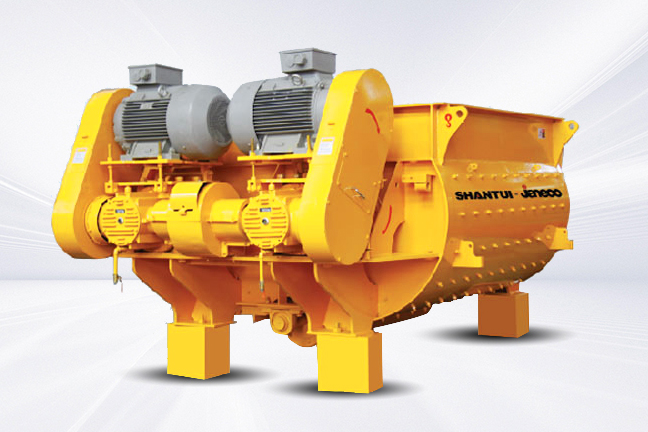
Equipment downtime is one of the most expensive challenges in construction and ready-mix concrete operations. A concrete mixer that breaks down unexpectedly can halt your entire project schedule, damage your reputation with clients, and drain your operational budget through emergency repairs. The difference between a concrete mixer that runs reliably for years and one that fails prematurely often comes down to one critical factor: preventive maintenance. Establishing a structured maintenance program for your concrete mixer is not just about fixing problems after they occur; it is about stopping problems before they start. Regular maintenance practices protect your investment, ensure consistent output quality, and keep your operations running smoothly without costly interruptions.
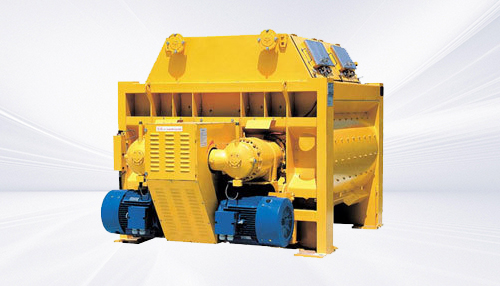
The secret to preventing concrete mixer breakdowns lies in understanding the mechanical stresses your equipment faces during daily operation. A concrete mixer endures tremendous rotational forces, abrasive material contact, and environmental exposure. Dust, moisture, extreme temperatures, and variable loading conditions all contribute to accelerated wear. By implementing proven maintenance practices tailored to your specific concrete mixer model and operational environment, you can dramatically extend equipment lifespan, reduce repair costs, and maintain peak performance. This guide walks you through the essential maintenance strategies that construction professionals and equipment managers rely on to keep their concrete mixer performing at maximum efficiency.
Daily and Weekly Inspection Routines for Your Concrete Mixer
Visual Checks Before Operation
Every morning, before your concrete mixer begins its work cycle, conduct a quick visual inspection of the entire unit. Look for obvious signs of damage such as cracks in the drum, bent blades, or loose fasteners that could become dangerous during operation. A concrete mixer in poor visual condition may indicate deeper mechanical problems. Check that all access panels are secure and that no material has accumulated in areas where it should not be. Inspect the power cord or fuel lines for damage, and verify that all warning labels remain visible and legible. This five-minute daily routine catches problems early and prevents minor issues from becoming major failures in your concrete mixer.
Monitoring Performance Indicators
During operation, listen carefully to your concrete mixer for unusual sounds such as grinding, squealing, or rattling noises that suggest internal wear or loose components. Watch for changes in mixing consistency or batch uniformity that might indicate worn mixing paddles or uneven drum rotation. Pay attention to excessive vibration, which often signals bearing wear or blade imbalance in your concrete mixer. If you notice the drum rotating slower than normal or detecting resistance during the mixing cycle, document these observations and investigate further. Performance monitoring helps you identify when maintenance intervention is needed before a complete breakdown occurs. Many operators develop an intuitive feel for normal operation and can sense abnormalities immediately, making this sensory feedback invaluable for your concrete mixer condition assessment.
Lubrication and Fluid Management for Optimal Concrete Mixer Performance
Scheduled Lubrication of Moving Components
Friction between moving parts causes the majority of premature wear in a concrete mixer. Every rotating shaft, bearing, and pivot point in your equipment requires proper lubrication according to manufacturer specifications. Establish a lubrication schedule based on your concrete mixer usage hours and environmental conditions. Dusty construction sites require more frequent lubrication than controlled environments because dust acts as an abrasive paste when mixed with grease. Apply the correct grade of lubricant recommended for your concrete mixer model; using the wrong lubricant can accelerate wear rather than prevent it. Over-lubrication is equally problematic because excess grease attracts dust and creates grinding paste, so apply lubricant sparingly and wipe away excess. Document each lubrication event to ensure consistency and maintain a service history for your concrete mixer.
Hydraulic and Engine Fluid Checks
If your concrete mixer operates with hydraulic systems or an internal engine, fluid condition directly impacts equipment reliability and longevity. Check hydraulic fluid levels before each shift and top up with the manufacturer-specified fluid type if needed. Dark, cloudy, or contaminated hydraulic fluid indicates that your concrete mixer fluid system needs immediate attention; dirty fluid causes seal degradation and component failure. For engine-powered mixers, monitor oil levels, check for leaks, and change oil at intervals specified in your equipment manual. Engine oil breakdown accelerates under high operating temperatures common in concrete mixer motors, reducing protective film thickness and increasing wear rates. Replace or service air filters regularly because clogged filters restrict cooling airflow and cause your concrete mixer engine to overheat, leading to seal failure and bearing damage.
Cleaning, Drum Care, and Structural Maintenance
Removing Buildup and Preventing Material Adhesion
Concrete residue hardens inside your concrete mixer drum and on internal surfaces, creating multiple problems. Hardened material increases drum weight, forcing your motor to work harder and wear faster. Buildup reduces mixing effectiveness because it interferes with blade clearance and creates dead zones where new material does not blend properly. At the end of each working day, rinse your concrete mixer drum thoroughly with water to remove fresh concrete before it hardens. For stubborn deposits on your concrete mixer, carefully chip away excess material or use mild chemical cleaners designed for concrete equipment. Never strike the drum with hammers or allow someone to enter the drum while powered equipment is connected, as these practices create safety hazards and potential drum damage. Proper cleaning extends your concrete mixer service intervals and maintains consistent mix quality throughout each day.
Blade and Paddle Inspection and Replacement
Mixing paddles and drum blades experience constant contact with abrasive concrete material, causing gradual wear that reduces mixing efficiency and increases power consumption. Your concrete mixer blades should maintain uniform thickness and sharp edges for optimal material cutting and blending action. When blades wear unevenly or develop pitting and erosion, replace them before they break during operation; a catastrophic blade failure can damage your concrete mixer drum and motor. Measure blade thickness regularly and establish a replacement schedule based on actual wear rates in your operational environment. Keep spare blades on hand so you can replace worn blades promptly without extended downtime for your concrete mixer. Uneven blade wear suggests the mixer load is not balanced, so adjust material loading procedures or verify that all blades are installed correctly.
FAQ
How often should I perform maintenance on my concrete mixer?
Maintenance frequency for your concrete mixer depends on usage hours and environmental conditions. Daily visual inspections and cleaning take just minutes but prevent most serious problems. Schedule lubrication every 40 to 80 operating hours unless your concrete mixer operates in dusty conditions, which require more frequent application. Perform detailed inspections every 200 operating hours, and conduct comprehensive servicing annually or after 500 operating hours. Keep detailed maintenance records to identify patterns and adjust your concrete mixer maintenance schedule based on actual wear observations rather than generic recommendations.
What are the signs that my concrete mixer needs immediate maintenance attention?
Several warning signs indicate your concrete mixer requires urgent service before continued operation. Unusual grinding, squealing, or rattling sounds suggest bearing wear or loose components inside your concrete mixer. Visible leaks from hydraulic systems or engine compartments mean seals are failing and your concrete mixer should not operate further. Excessive vibration that increases over time indicates blade imbalance or bearing problems. Smoke, unusual odors, or the mixer failing to rotate normally all signal that your concrete mixer has developed serious mechanical issues requiring professional inspection before further use.
Can proper maintenance extend the lifespan of my concrete mixer?
Yes, structured preventive maintenance dramatically extends concrete mixer operational life and performance capability. Equipment that receives regular lubrication, proper cleaning, and timely repairs often operates reliably for twice as long as neglected units. A concrete mixer maintained according to manufacturer guidelines typically delivers 10,000 to 15,000 operating hours, while poorly maintained equipment fails after 3,000 to 5,000 hours. Preventive maintenance costs far less than emergency repairs, component replacement, or purchasing new equipment. Beyond financial benefits, a reliable concrete mixer maintains consistent output quality and ensures your projects stay on schedule without unexpected breakdowns.