
 EN

A backhoe loader represents one of the most versatile pieces of construction equipment available today, combining the power of a front loader with the precision of a backhoe in a single machine. Understanding how to optimize your backhoe loader configuration can significantly enhance both digging efficiency and loading capacity, directly impacting project timelines and operational costs. The way you configure your backhoe loader determines not only what tasks it can handle but also how effectively it performs under various job site conditions.
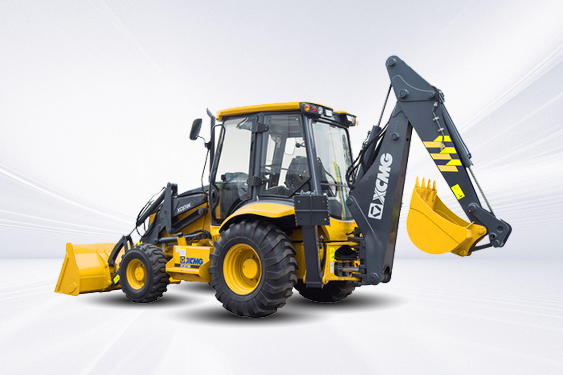
The configuration of your backhoe loader extends far beyond simply choosing between attachments. It encompasses hydraulic system settings, tire selection, counterweight distribution, boom positioning, and bucket specifications. Each element works in concert to create a backhoe loader that performs optimally for your specific operational requirements. When properly configured, a backhoe loader becomes a precision instrument capable of handling everything from delicate utility work to heavy-duty excavation projects.
Understanding Backhoe Loader Bucket and Attachment Selection
Bucket Capacity and Digging Performance
The bucket configuration is foundational to your backhoe loader's digging capability. Standard backhoe loader models come with various bucket sizes, typically ranging from 0.5 cubic yards to 1.5 cubic yards, depending on the machine class. Your backhoe loader bucket selection should align with the soil type, material composition, and project scale you regularly encounter. A properly sized bucket maximizes digging efficiency while maintaining adequate spillage control, which is critical when working with loose materials or fine aggregates.
When selecting the right backhoe loader configuration for digging tasks, consider whether you need a general-purpose bucket, a trenching bucket with reduced width, or a specialized bucket for handling rocky terrain. The backhoe loader's digging force improves when bucket geometry matches your target material. Rocky or compacted soil demands a backhoe loader with a narrower, more reinforced bucket, while softer materials benefit from a wider design that increases material capture per cycle.
Loader Attachment Optimization
Your backhoe loader's front-end loader attachments directly influence loading capacity and speed. The quick-coupler system on modern backhoe loader equipment allows rapid switching between standard buckets, forks, and specialty attachments without operator intervention. A backhoe loader configured with a pallet fork attachment enables material handling operations alongside excavation work, multiplying the machine's utility across diverse job site tasks.
Grapple attachments represent another configuration option for your backhoe loader when handling demolition debris, logs, or irregular materials. The backhoe loader's hydraulic power system supports these varied attachments seamlessly, and proper attachment selection directly correlates with reduced cycle times and improved material handling efficiency on your jobsite.
Hydraulic System Tuning and Operational Configuration
Pressure Settings and Digging Force
The hydraulic system represents the heart of your backhoe loader's performance capability. A backhoe loader's digging force depends entirely on precise pressure calibration within the hydraulic network. Factory settings provide baseline performance, but optimal backhoe loader configuration for specific soil conditions requires understanding pressure adjustments within safe operational limits. The backhoe loader's excavation power increases when hydraulic pressure is properly tuned for dense soils while preventing system strain that could shorten equipment lifespan.
Configuring your backhoe loader's flow rate affects cycle speed and loading throughput. Higher flow rates accelerate bucket loading cycles, while lower settings provide finer control for precision work. Advanced backhoe loader models include pilot-operated systems where the operator adjusts pressure sensing dynamically, allowing the backhoe loader to adapt automatically to changing soil resistance throughout the work day.
Counterweight Balance and Stability
Proper backhoe loader configuration requires strategic counterweight placement to maintain machine stability during loading operations. The backhoe loader's front axle carries significant load when the loader bucket fills with material, necessitating adequate rear counterweighting. An improperly configured backhoe loader with insufficient counterweight risks tipover accidents and reduces digging efficiency because the operator becomes hesitant to fully load the bucket.
Your backhoe loader configuration should include dynamic weight assessment based on material density and loading patterns. A backhoe loader handling dense rock requires different counterweight than when processing lighter aggregates. Modern backhoe loader systems often feature adjustable weight modules, allowing rapid configuration changes between job types without complete equipment rebalancing.
Tire and Ground Engagement Configuration
Tire Selection for Terrain Conditions
Tire specification significantly impacts how your backhoe loader engages with diverse terrain. A backhoe loader configured with industrial tread patterns provides superior traction on muddy or slippery surfaces, directly improving digging stability and loading consistency. Alternatively, a backhoe loader equipped with smooth tires performs better on paved surfaces and reduces surface damage during urban construction projects. Your backhoe loader tire choice fundamentally affects operational efficiency and fuel consumption across different job sites.
Tire pressure adjustment represents an often-overlooked configuration element for your backhoe loader. Lower tire pressures increase ground contact area, improving stability on soft substrates and enhancing the backhoe loader's digging power transmission. Conversely, higher pressures optimize the backhoe loader for hard surfaces and improve fuel efficiency during road travel between job locations. A properly configured backhoe loader balances these tire considerations against your primary operational environment.
Ground Engagement and Dozing Capability
The backhoe loader's front-end loader blade configuration enables secondary dozing operations alongside primary excavation tasks. When your backhoe loader is configured with appropriate blade angle and down-pressure, it becomes capable of minor grading and material spreading. This configuration versatility transforms your backhoe loader from a purely excavation machine into a multi-purpose earthmoving platform that handles site preparation and finishing work within the same operational window.
Properly configured, your backhoe loader achieves optimal ground pressure distribution, reducing soil compaction and environmental impact. The backhoe loader's weight distribution across four points of contact, combined with appropriate tire specification and blade configuration, determines both digging traction and surface preservation capabilities.
Operational Configuration for Maximum Productivity
Positioning Strategy and Work Angle
How you position and configure your backhoe loader on the job site directly affects both digging performance and operator fatigue. A backhoe loader positioned perpendicular to the trench centerline minimizes unnecessary boom rotation, reducing cycle time and hydraulic system strain. Your backhoe loader's digging position should allow the operator full visibility of bucket depth and laterally adjacent hazards while maintaining comfortable cabin positioning for extended operation.
The backhoe loader's boom reach and maximum digging depth configuration should align with project specifications before starting work. A properly configured backhoe loader saves countless small operational adjustments throughout the day, substantially improving overall productivity. Understanding your backhoe loader's reach envelopes prevents repeated positioning failures and allows the operator to work with confidence in the machine's capabilities.
Sequence Optimization and Material Flow
Configuring your backhoe loader's work sequence around material flow dramatically improves loading efficiency. A backhoe loader operator working in sequence with truck positioning can maintain consistent loading rates, reducing idle time for both the equipment and the transport fleet. Your backhoe loader configuration should account for dump-truck size and positioning space, allowing the operator to load materials at a predictable rhythm that matches transportation capacity.
Advanced operators recognize that a backhoe loader's efficiency extends beyond machine settings into operational choreography. By coordinating backhoe loader digging cycles with material staging areas and transport logistics, skilled operators achieve loading rates that exceed machine nameplate specifications. This operational configuration transforms your backhoe loader into a productivity multiplier across the entire job site.
FAQ
What factors determine the ideal backhoe loader configuration for my specific project?
The ideal backhoe loader configuration depends on soil type, material composition, project duration, and environmental constraints. Dense materials require higher hydraulic pressure and reinforced buckets, while softer soils benefit from larger bucket capacity and different blade angles. You should also consider distance to dump sites, working surface conditions, and whether your project involves multiple material types. A backhoe loader configuration flexible enough to handle variable conditions often outperforms a machine optimized solely for single tasks.
How often should I adjust my backhoe loader's hydraulic settings during operations?
Most backhoe loader operators should check hydraulic pressure and flow rate settings daily or when material type changes significantly. A backhoe loader digging sandy soil may need different settings than when processing rocky terrain later the same day. Modern backhoe loader systems with pressure-sensing pilot controls adjust settings semi-automatically, but experienced operators manually fine-tune settings for optimal efficiency. Monitoring system temperature and listening to hydraulic noise helps identify when backhoe loader reconfiguration becomes necessary.
Can I configure my backhoe loader for both heavy excavation and precision trenching without changing attachments?
Many backhoe loader configurations support both tasks through quick-coupler bucket systems and adjustable pressure settings, though compromises exist. A single backhoe loader bucket represents a middle ground rather than optimal performance for each task. Facilities managing multiple projects typically benefit from maintaining two configured backhoe loaders, each optimized for different work types. However, for mixed-operation projects, a backhoe loader with medium bucket size and adaptive hydraulics provides satisfactory performance across both digging and trenching requirements.