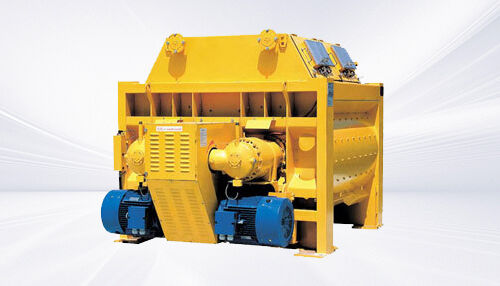
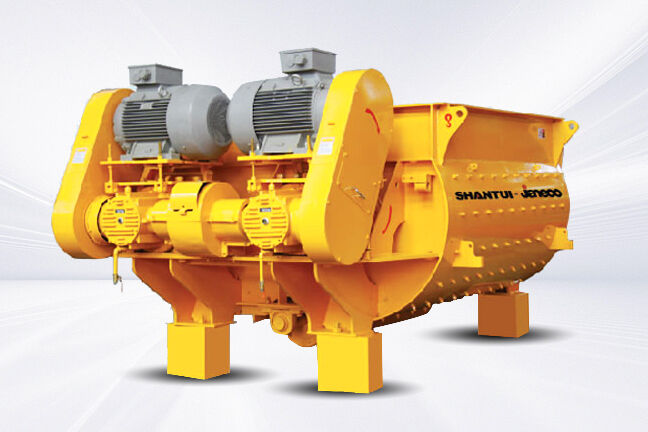
The core working principle of a concrete mixer is the foundation of its function, determining the quality of the final concrete mixture. Different types of concrete mixers employ different mechanical actions to achieve mixing. The most common drum-type concrete mixer relies on a rotating drum and internal fixed blades to lift the materials to a certain height, where they then free-fall by gravity, thus achieving mixing. This method has lower mixing intensity but is efficient enough for many general purposes. In contrast, forced-action concrete mixers use blades fixed on a rotating shaft, or blades that rotate within a stationary tub, actively shearing and squeezing the materials. This method is more intense and efficient, producing a more homogeneous mixture, especially suitable for dry concrete or fiber-reinforced concrete. Therefore, choosing the correct type of concrete mixer is crucial for the success of a project.
The drive method and discharge method of a concrete mixer directly affect its applicability, efficiency, and user experience. Electrically driven concrete mixers are a common choice on sites with stable power supply; they are clean, relatively quiet, and simple to operate. Diesel-driven concrete mixers offer greater mobility and are suitable for remote or power-scarce construction sites. Advanced hydraulic drive provides stepless speed regulation and excellent overload protection, enabling smooth starting and precise control. In terms of discharge, tilting the drum to discharge is the classic method for small concrete mixers, while larger equipment might use a bottom door or reverse the direction of the mixing blades to discharge the concrete quickly and cleanly. These key considerations regarding the drive method and discharge method ensure the concrete mixer can integrate seamlessly into various workflows.
The main application scenarios for concrete mixers are extremely broad, almost defining modern construction. In traditional on-site mixing, a concrete mixer is the central piece of equipment for rural house building, small foundations, and patio paving. In large commercial projects, while ready-mix concrete is common, concrete mixers are still used within batching plants for production and on-site for mixing urgently needed small batches of concrete or for emergency repairs. Their mixing characteristics—whether the gentle drum mixing or the intense forced mixing—are meticulously designed to meet the needs of different applications, from highly fluid grouts to dry roadbase materials. This unparalleled versatility cements the concrete mixer's status as an indispensable tool in the global construction industry.