 EN
EN
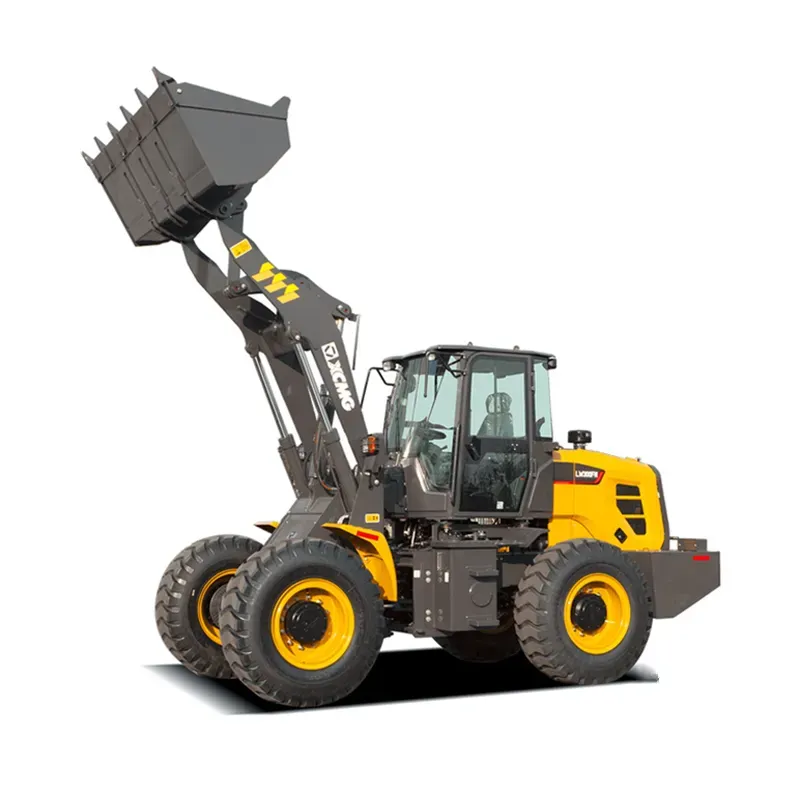
Our expertise extends to the most extreme and specialized equipment in the world. The biggest wheel loader is a niche product that we supply to a very select group of clients in the global mining industry. The acquisition and support of these machines are complex projects in themselves. We have the resources, technical knowledge, and global logistics capability to manage these projects, ensuring that these incredible machines are delivered and supported to the highest standards.
The title of the "biggest wheel loader" is not just about physical dimensions; it signifies a machine engineered to redefine the limits of productivity in the most demanding applications on earth, primarily large-scale mining and quarrying. These leviathans are designed around the principle of economies of scale, where moving more material per cycle translates directly to lower cost per ton. Three features that are absolutely critical to their operation and justify their existence are their Unmatched Payload Capacity and Bucket Size, their Ultra-High Horsepower and Superior Traction System, and their Exceptional Structural Integrity and Durability.
Unmatched Payload Capacity and Bucket Size are the most defining characteristics of these machines. The primary goal is to fill a 400-ton class haul truck in four or five passes, and this dictates the entire design. The buckets on these loaders are engineering marvels themselves, often made from special high-strength, abrasion-resistant steel to withstand the incredible forces of digging into and carrying massive loads of rock and overburden. Their geometry is optimized for high fill factors and low weight-to-volume ratios, ensuring they carry a full, heaped capacity every time. This immense capacity is supported by powerful hydraulics that provide the breakout force needed to penetrate the toughest bank and the lifting capability to hoist loads that can exceed 70 tons. The hydraulic system is precisely calibrated for smooth, controlled operation to manage such heavy loads safely and to minimize spillage during the loading cycle. This direct correlation between bucket size, pass count, and truck fill time is the single biggest contributor to achieving a lower cost of production in a mining operation.
To manipulate these incredible loads and move its own massive weight, the biggest wheel loader requires Ultra-High Horsepower and a Superior Traction System. These machines are typically powered by diesel engines that can produce between 2,000 and 4,000 horsepower. This power is not just for propulsion; it is split between a sophisticated diesel-electric drive system (in some models) or a conventional mechanical drivetrain with torque converters and axles designed to handle millions of foot-pounds of torque. The key challenge is translating this raw power into effective forward motion without excessive wheel spin, especially on loose or uneven surfaces. This is managed through advanced traction control systems that automatically monitor and adjust power to each wheel, ensuring maximum grip and pushability into the pile. The immense weight of the loader itself, often distributed via massive, robust axles with planetary gear reduction, provides the necessary counterweight and traction to convert horsepower into productive digging force. This combination allows the machine to aggressively attack the pile, fill its bucket quickly, and then reverse and accelerate with its load efficiently, maintaining a fast cycle time that is crucial for keeping up with the fleet of haul trucks.
Underpinning these capabilities is the non-negotiable requirement for Exceptional Structural Integrity and Durability. The stresses placed on the frame and linkage of the biggest wheel loader are almost unimaginable. Every time it digs into a bank or lifts a full bucket, it subjects its mainframe, boom arms, and pivot points to tremendous shock loads and torsional stresses. To survive this, the machine is built around an X-type frame, a design that offers superior strength and torsional resistance compared to a traditional unitary frame. This design allows the chassis to flex slightly under extreme loads, absorbing stress rather than cracking. The linkage and boom are constructed from steel plates that are often inches thick and are meticulously welded using automated processes to ensure consistent penetration and strength. Every pivot point features oversized, hardened pins and bushings designed for extended life and easy replacement. This extreme focus on structural durability is what ensures machine availability—the percentage of time the machine is operational and not under repair. In a 24/7 mining environment, downtime is the enemy of profitability. A robust structure minimizes unscheduled maintenance and extends the life of the machine, protecting the immense capital investment and ensuring it delivers a return by working relentlessly shift after shift.